Repair guides
Pick a type, an appliance or a brand. Every guide lists the tools, the safety call-outs, the steps and the reading you should expect.
Diagnostic · 374
Symptom → most likely cause, step by step
Component tests · 69
How to test a specific part, with expected readings
Installation · 33
Install, replace and hook up appliances correctly
Fundamentals · 24
Core skills every appliance tech uses
Appliance
Brand-specific guides
47 guides · Tech Fundamentals
Component tests · 23
 Component test · Fundamentals
Flame sensor (flame rectification) microamp test
The flame sensor rod lets a tiny DC current flow through the flame. The board shuts the gas off if it does not see enough microamps. Clean first, then measure in series with a meter that reads DC µA.
 Component test · Fundamentals
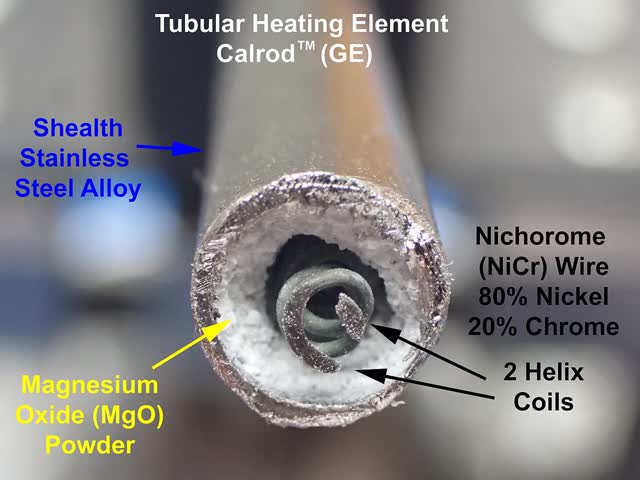
Furnace hot surface igniter (HSI)
Furnace HSIs are silicon carbide or silicon nitride elements. Measure cold resistance against the type; replace if open or far out of range. Handle only by the base.
 Component test · Fundamentals
Fuses on control boards and in-line fuses
Board fuses protect the board supply or a high-current output. A blown fuse almost always means something shorted downstream; replacing it without finding the cause usually ends in another blown fuse or a destroyed board.
 Component test · Fundamentals
GFCI and AFCI trips caused by appliances
Class A GFCIs must trip between about 4 and 6 mA of leakage to ground, so a slightly leaky heater or motor can trip them. AFCIs react to arcing signatures and also contain a ground-fault element with a higher threshold. Find out whether the appliance leaks before blaming the device.
Component test · FundamentalsHow to test a door switch (refrigerator, dryer, dishwasher)
Door switches tell the control or the circuit that the door is shut. Some are normally open, some normally closed, and many have more than one set of contacts (light + fan, or start circuit). Test each pair in both door positions.
 Component test · Fundamentals
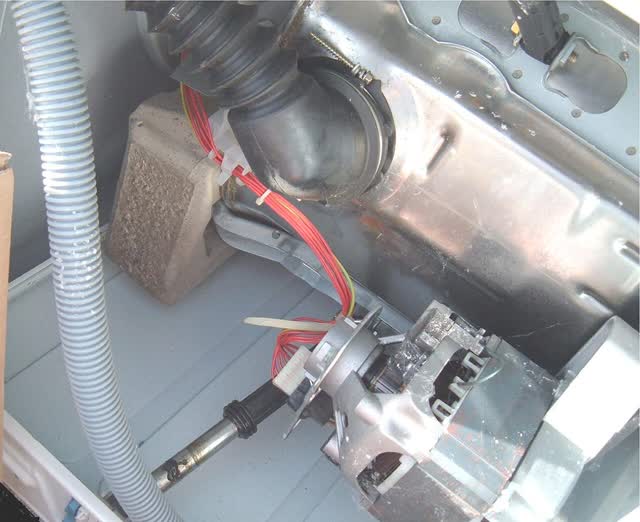
How to test a mechanical timer (washer, dryer) contacts and motor
Mechanical timers are a small motor driving a cam stack that opens and closes many contacts. You need the timer chart (on the wiring diagram) to know which contacts should be closed at each dial position.
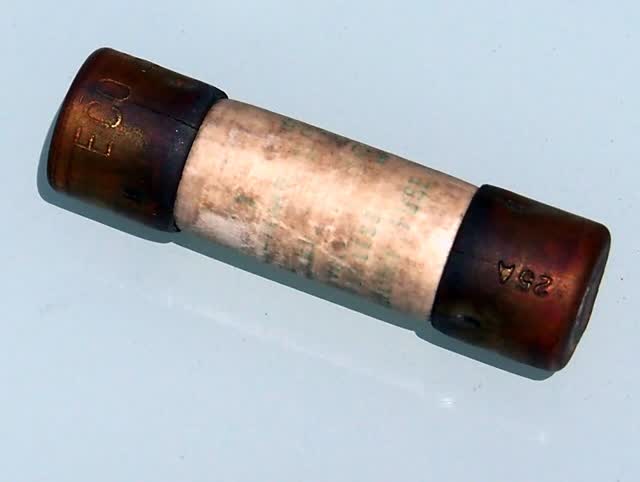 Component test · Fundamentals
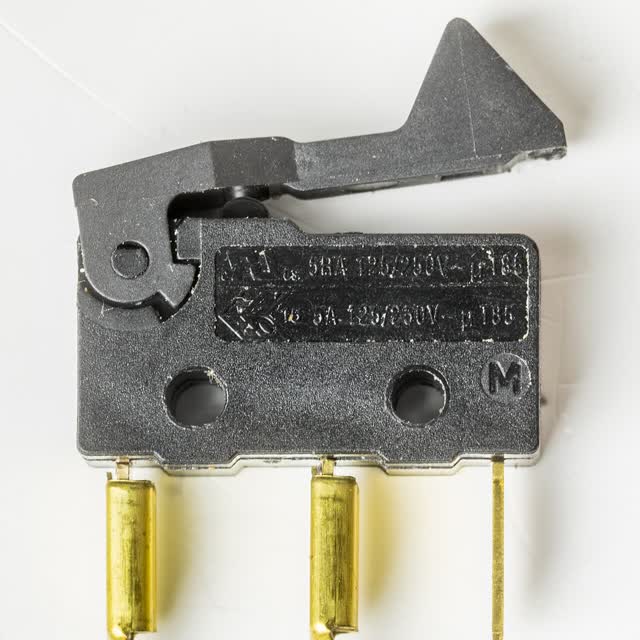
How to test a micro switch / door interlock (COM, NO, NC)
Micro switches are small snap-action switches used as interlocks in microwaves, dishwashers, dryers and ice dispensers. Most have three terminals: common, normally open and normally closed. Test both contact pairs in both positions.
Component test · FundamentalsHow to test a PSC motor (common, start and run windings)
Permanent split capacitor (PSC) motors are used in AC condenser and blower fans, some washer and dishwasher motors. Test the capacitor first, then the three windings. The two individual readings must add up to the start-to-run reading, and nothing may read to ground.
Component test · FundamentalsHow to test a selector or rotary switch (temperature, cycle, fan speed)
Selector switches route power to different circuits in each position. Like a timer, you need the switch chart from the wiring diagram to know which terminals should connect in each position.
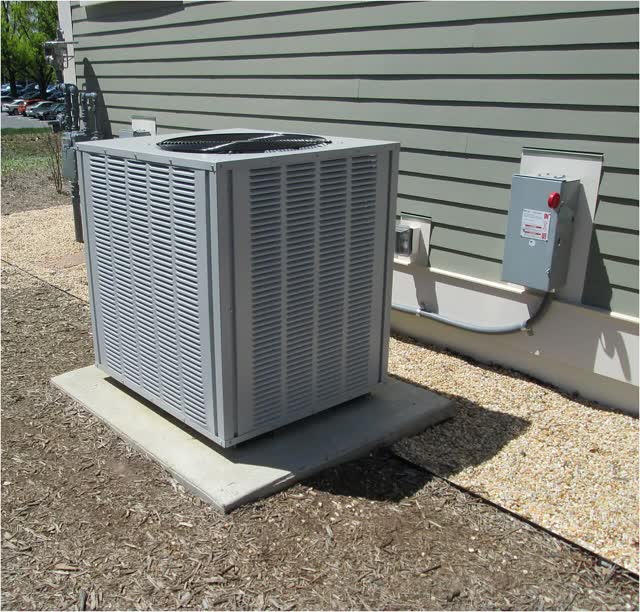 Component test · Fundamentals
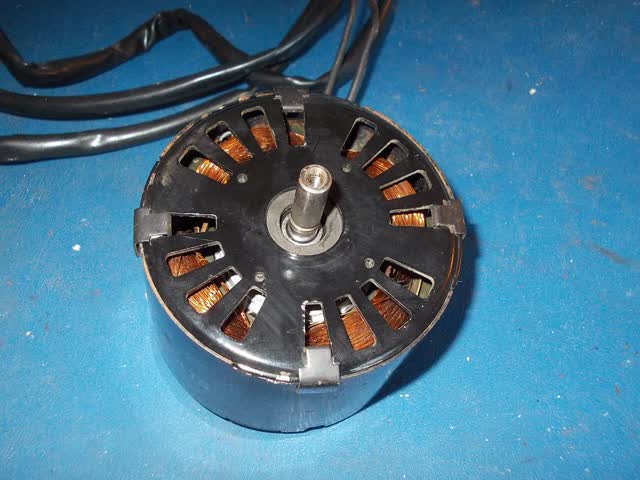
How to test a shaded-pole fan motor
Shaded-pole motors are the simple, low-power AC motors with copper shading rings on the pole pieces. They have one winding, no capacitor and a weak starting torque, so they usually fail from dry bearings rather than burned windings.
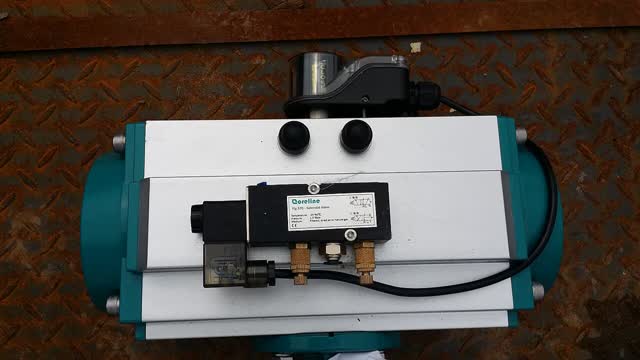 Component test · Fundamentals
How to test a solenoid (dispenser, ice door, lock, diverter)
A solenoid is a coil that pulls a plunger when energized. Test the coil resistance, the voltage it receives, and that the plunger moves freely.
Component test · FundamentalsHow to test a water inlet valve (single, dual and triple coil)
Inlet valves are solenoid valves. Each coil opens one water path. Test each coil for resistance; a coil can be fine yet the valve still fail mechanically (clogged screen or stuck plunger), so check flow and the screen too.
 Component test · Fundamentals
How to test an NTC thermistor (temperature sensor) and read a resistance chart
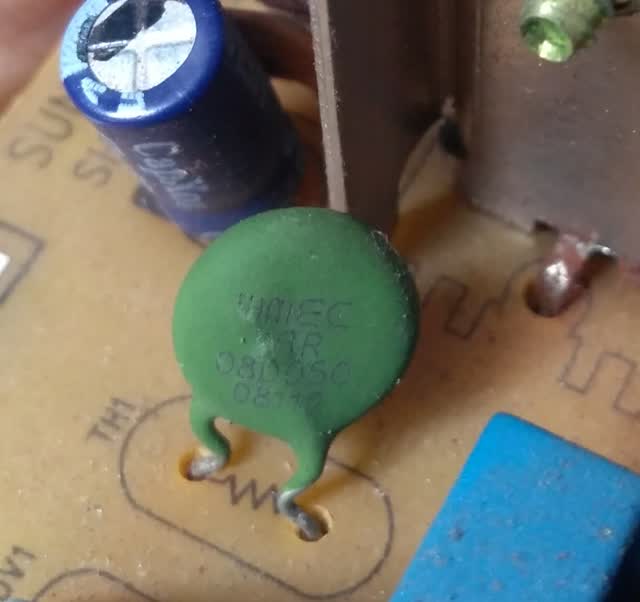
NTC thermistors are used in refrigerators, dryers, washers, dishwashers, AC units and water heaters. Resistance falls as temperature rises. You test them by measuring resistance at a known temperature and comparing it with the chart for that exact sensor family.
 Component test · Fundamentals
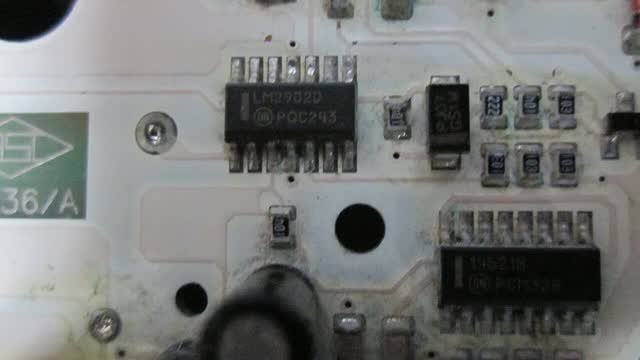
Low-voltage DC supply checks (5 V and 12 V rails)
Boards make low-voltage DC (often 5 V for logic and sensors, 12 V for relays, and other values on some products). A sagging rail causes many strange symptoms. Measure it at a known test point or connector, then remove loads one by one to find what drags it down.
Component test · FundamentalsMain control board: power-in checks, outputs, and board vs load
Most boards that get replaced are fine; the real fault is usually missing input power, a bad load, or a harness. Prove the board has power in, is commanding an output, and that the output actually leaves the board before condemning it.
Component test · FundamentalsPTC / wax motor actuators (locks, dispensers)
Wax or PTC actuators heat a small element that expands wax and pushes a pin. They are slow by design and release only after cooling. Test resistance cold and confirm the board supplies voltage.
Component test · FundamentalsRelay on a control board: clicks but no output
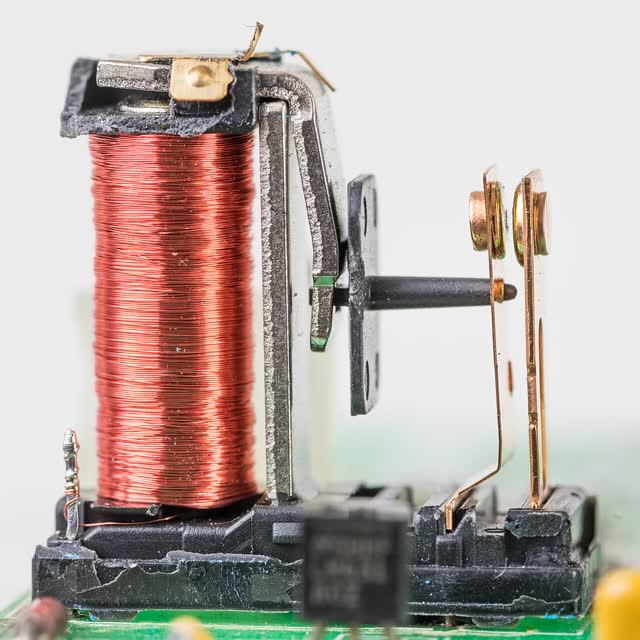
A click only proves the coil moved. Burnt or pitted contacts can still fail to pass current. Measure across the contacts under load and at the output pin.
 Component test · Fundamentals
Run capacitor: microfarad test and tolerance
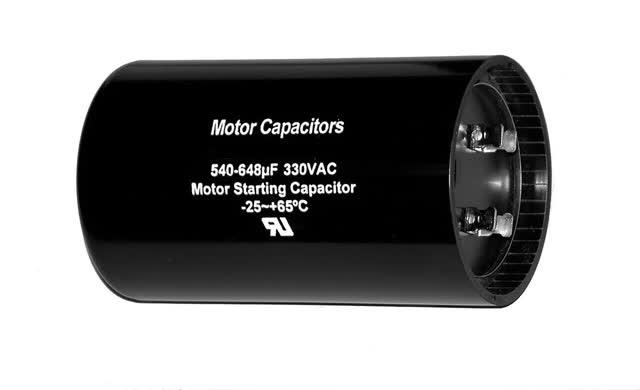
Run capacitors stay in the circuit while the motor runs. Test capacitance with a meter that has a µF range and compare to the label. Replace if outside the tolerance printed on the can, if open, or if bulged or leaking.
Component test · FundamentalsStart capacitor test (and its relay or PTC)
Start capacitors are higher-µF electrolytic parts that are only in the circuit for a moment at start, removed by a relay, PTC or centrifugal switch. They fail open, shorted or bulged, often because the switching device kept them in circuit too long.
 Component test · Fundamentals
Thermal cutouts and thermal fuses (TCO)
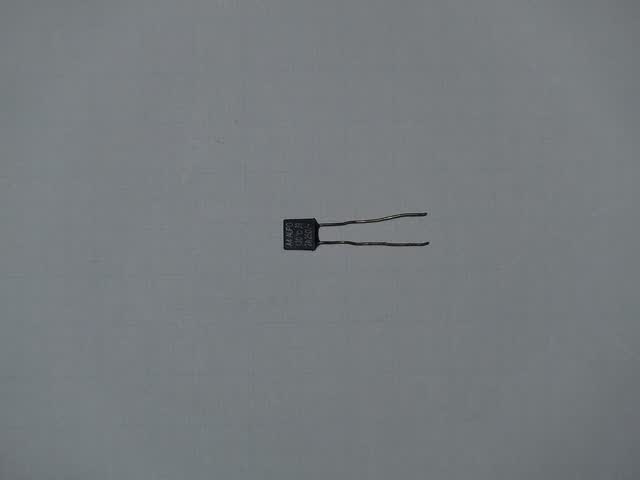
Thermal cutouts open when a part gets too hot. Some reset themselves when they cool; one-shot thermal fuses must be replaced. A blown cutout is a symptom: always find the overheating cause (blocked vent, failed fan, stuck relay) before closing up.
Component test · FundamentalsUser interface board, keypad and membrane switch testing
The UI is a display/keypad board fed with low-voltage DC from the main board. Separate three faults: no DC feed (main board or harness), a failed membrane (keypad tail), or a failed display/UI board.
Component test · FundamentalsWi-Fi and smart modules
Most "bad Wi-Fi module" calls are network problems: wrong band, weak signal or router settings. Prove the network first, then power-cycle, then check the module supply and connector before replacing the module or board.
 Component test · Fundamentals
Wiring harness and connectors: voltage drop, heat and corrosion
Harness and connector faults mimic failed parts. A loose or corroded terminal can pass a continuity test with no load and still drop voltage when current flows. Test voltage drop under load and replace both halves of a heat-damaged connection.
Fundamentals · 24
 Fundamentals · Fundamentals
Appliance lifespan expectations (sourced estimates)
Published estimates are averages that assume normal use and maintenance. InterNACHI's chart lists dishwashers around 9 years, refrigerators 9-13 years and clothes dryers around 13 years; Consumer Reports-based figures cited by NerdWallet run higher for some types (e.g. dishwasher 12, top-freezer fridge 14, front-load washer about 9). Use ranges, not promises.
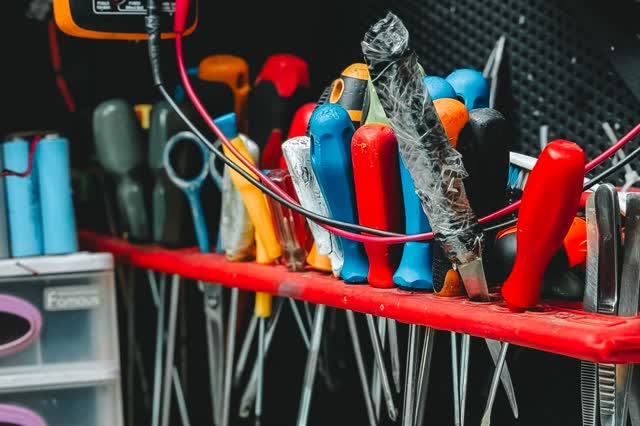
Fundamentals · FundamentalsBasic tool list for an appliance tech's truck
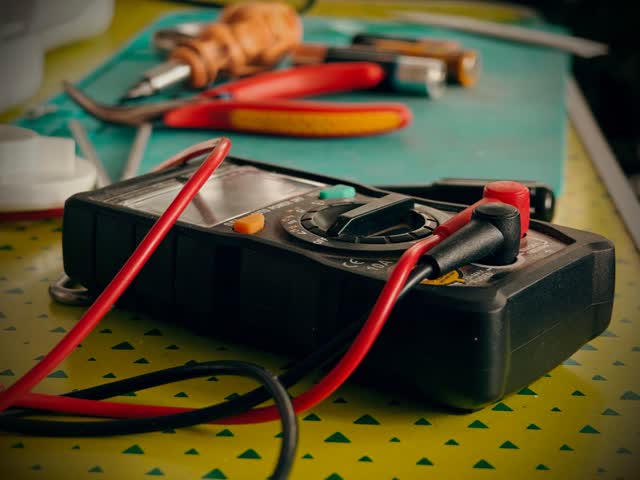
A starter kit that covers most residential appliance calls: test equipment first, then drivers and sockets, then specialty and safety gear. Rated test equipment and PPE are not where to save money.
 Fundamentals · Fundamentals
Diagnosing intermittent faults
Intermittent problems are usually heat, vibration, moisture or a loose connection. Gather the history, read stored fault codes, reproduce the conditions and stress-test connections while monitoring. Don't replace a board on a guess.
 Fundamentals · Fundamentals
EPA Section 608: what appliance techs can and cannot do
Without EPA 608 certification you can diagnose around the sealed system (fans, defrost, controls, start components, airflow) but you cannot open it, recover, recharge or dispose of refrigerant-containing equipment in a way that releases refrigerant. Type I covers small appliances (≤ 5 lb factory charge); Type II covers high-pressure systems; certification doesn't expire.
 Fundamentals · Fundamentals
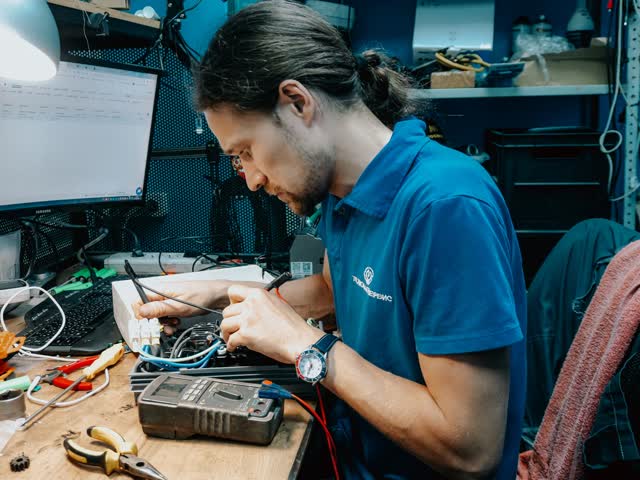
ESD-safe handling of appliance control boards
Static from your body can damage board components at voltages you can't feel. Ground yourself, keep the new board in its bag until the moment of install, handle it by the edges and put the old board in the same bag for return.
 Fundamentals · Fundamentals
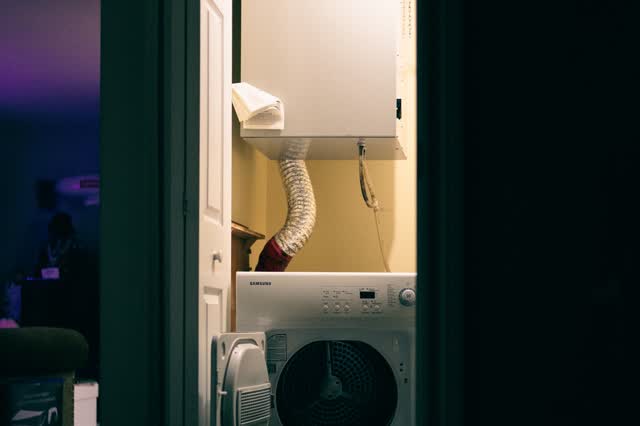
Finding water leaks with paper towels and food dye
Water travels along frames and wires before it drips, so the puddle is rarely under the leak. Dry everything, lay paper towels at suspect points, and use a few drops of food coloring in the tub or tank to tell appliance water from supply or drain water.
Fundamentals · FundamentalsGas smell or CO alarm on a service call: what to do
This is an emergency, not a repair. Stop work, get everyone out, don't operate switches or anything that can spark, and call 911 and the gas utility from a safe distance. Gas-side work is for a licensed gas technician.
Fundamentals · FundamentalsHard water and scale: effects on appliances
Hard water carries dissolved calcium and magnesium that leave scale on heaters, valves, screens and spray arms. USGS classifies water as soft up to 60 mg/L (as calcium carbonate), moderately hard 61-120, hard 121-180 and very hard above 180. Knowing the local hardness helps explain repeat failures.
 Fundamentals · Fundamentals
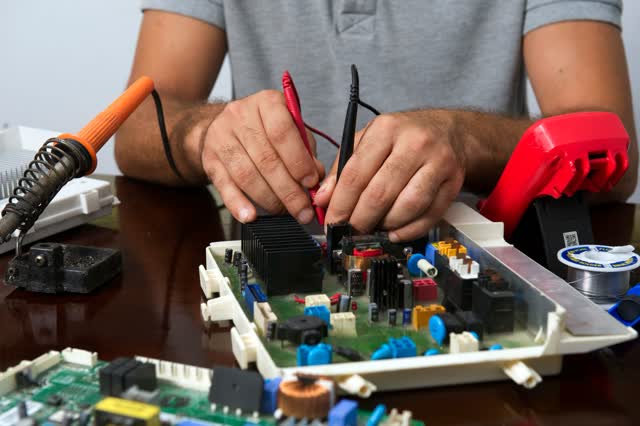
How to discharge and test a capacitor safely
Capacitors can hold a dangerous charge after power is removed. Kill power, verify 0 V, discharge through a resistor (not a screwdriver), confirm 0 V, then test capacitance against the label. Microwave high-voltage capacitors carry extra risk and need their own procedure.
 Fundamentals · Fundamentals
How to document a service call (photos, readings, notes)
Good records make callbacks easier, support warranty and parts claims and protect you in disputes. Photograph the unit, labels and wiring before you touch anything, record actual readings with units, and note what you told the customer.
Fundamentals · FundamentalsHow to find the model and serial number on any appliance
Every appliance has a rating plate with the model and serial number, but the location changes by type and brand. The full model number (including suffix) decides which tech sheet and parts apply. Manufacturers publish finder pages showing the label location.
Fundamentals · FundamentalsHow to measure refrigerator and freezer temperatures properly
Air temperature swings every time the door opens, so measure a glass of water in the middle of the fresh-food section and between packages in the freezer, and give it hours to stabilize. Food-safety targets: fresh food at or below 40 °F (4 °C), freezer at 0 °F (-18 °C).
Fundamentals · FundamentalsHow to use a clamp meter on an appliance
A clamp meter shows whether a load is really working without breaking the circuit. The rule that trips most techs: clamp only one conductor. Clamping a whole cord reads near zero because the fields cancel.
Fundamentals · FundamentalsHow to use appliance service and diagnostic modes (general approach)
Most modern appliances have a service mode that shows stored codes, runs each load one at a time and displays sensor values. Entry sequences differ by model and are printed on the tech sheet. Use them to confirm a diagnosis before ordering parts.
Fundamentals · FundamentalsMeasuring dryer vent restriction: airflow and back-pressure basics
A restricted vent is the most common cause of slow drying and blown thermal fuses, and failure to clean is the leading factor in residential dryer fires (USFA). Check the run against code and the manufacturer's limits, compare airflow at the termination, and measure back-pressure only against the manufacturer's spec.
Fundamentals · FundamentalsOhm's law and power quick reference for appliance techs
Volts = amps × ohms, and watts = volts × amps. With the nameplate wattage and the supply voltage you can estimate what a heater should read in ohms and what it should draw in amps, then compare with your meter.
Fundamentals · FundamentalsReading a thermistor chart (NTC temperature sensors)
Most appliance temperature sensors are NTC thermistors: resistance falls as temperature rises, and the curve is not linear. Measure the sensor's real temperature, measure its resistance, and compare with the model's own chart. A 10 kΩ NTC reads about 10,000 Ω at 77 °F (25 °C), but curves differ by maker.
Fundamentals · FundamentalsTesting an outlet and an appliance power cord
Rule out the supply before opening the appliance. A plug-in tester screens wiring faults, a meter confirms voltage, and a continuity check confirms the cord. Damaged receptacles or panel problems are electrician work.
 Fundamentals · Fundamentals
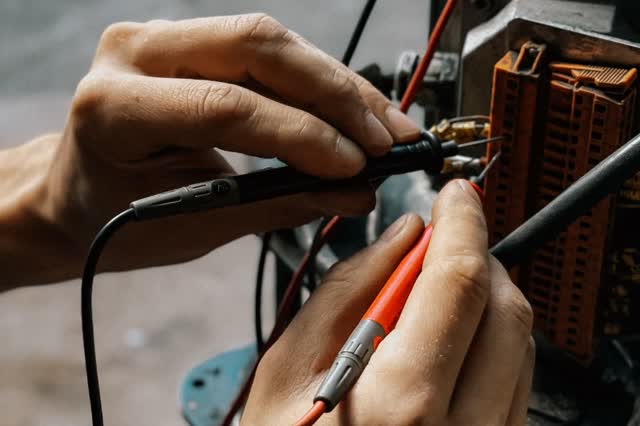
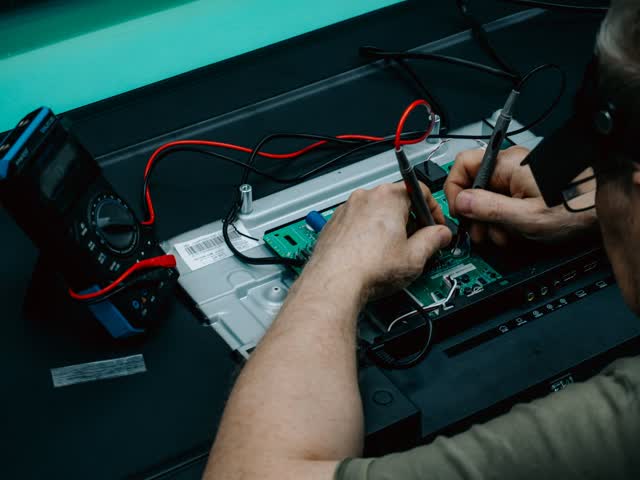
Testing components with ohms and continuity: the basics
Most electrical parts can be checked power-off with ohms. Disconnect the part so other circuits don't skew the reading, compare with the tech sheet value, and always check from each terminal to the metal frame for a ground fault.
Fundamentals · FundamentalsUsing a test cord or jumper safely for diagnosis (never as a fix)
Powering a load directly with a fused test cord, or briefly jumping a switch, can prove whether the load or the control is at fault. It is a short diagnostic step only. Never leave a jumper in place and never jump a safety device (thermal fuse, high-limit, door lock) to keep an appliance running.
Fundamentals · FundamentalsVerifying zero voltage before you touch: the live-dead-live check
Prove your tester works on a known live source, test the circuit you'll touch, then prove the tester again. OSHA requires de-energization to be verified with test equipment; the before-and-after check catches a dead meter or blown fuse that would otherwise read a false 0 V.
Fundamentals · FundamentalsVoltage-drop testing: finding a bad connection under load
A connection can pass an ohms or continuity test and still fail under load. Measuring voltage across a switch, connector or wire while current flows shows where power is being lost. A good closed contact drops almost nothing; a bad one drops a noticeable part of the supply.
 Fundamentals · Fundamentals
Water pressure and flow test with a gauge and a bucket
Many fill complaints are supply problems. Check static pressure with a gauge, then check flow by timing a bucket fill. Typical washer instructions call for 20-120 psi at the inlet; below that, fill time stretches out. Compare flow with the spec on the model's installation instructions.
Fundamentals · FundamentalsWhen to repair vs replace an appliance
A long-standing rule of thumb (older Consumer Reports advice) is to replace when the repair costs more than half the price of a new comparable unit. Consumer Reports now uses a calculator based on purchase price, age, repair cost and depreciation. Give the customer the numbers and let them decide.