Repair guides
Pick a type, an appliance or a brand. Every guide lists the tools, the safety call-outs, the steps and the reading you should expect.
Diagnostic · 374
Symptom → most likely cause, step by step
Component tests · 69
How to test a specific part, with expected readings
Installation · 33
Install, replace and hook up appliances correctly
Fundamentals · 24
Core skills every appliance tech uses
Appliance
Brand-specific guides
14 guides · Ice Makers
Diagnostic · 13
 Guide · Ice Maker
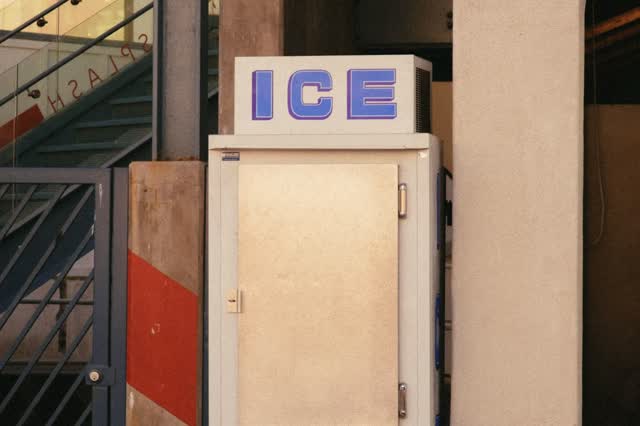
Commercial cuber long freeze or long harvest alarm
Long freeze usually means poor heat rejection or water problems; long harvest usually means scale or harvest components. Do the safe checks; refrigeration work goes to an EPA 608-certified tech.
 Guide · Ice Maker
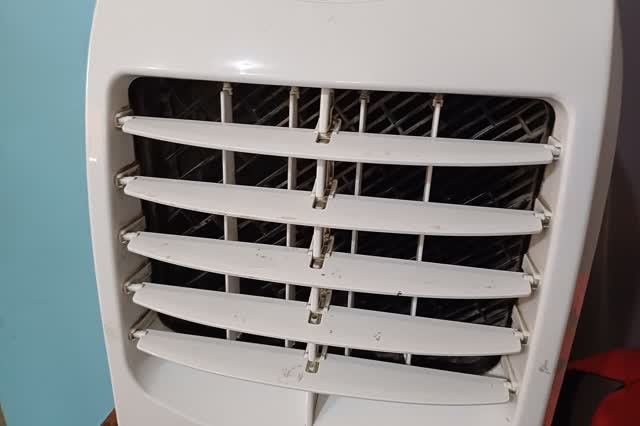
Countertop ice maker shows 'Add Water' with water in the reservoir
These units detect water with a float, probe or wire sensor in the reservoir and a small pump that lifts water to the tray. Scale on the sensor, a blocked reservoir screen, a stuck float, very pure water or a weak pump can all trigger a false Add Water.
Guide · Ice MakerFull-bin sensor: overfilling or stopping too early
Bin controls are infrared/optical sensors (countertop, Opal), thermostatic bulbs (Hoshizaki) or thermistor sensors. Dirty, blocked, loose or misplaced sensors cause over- or under-production.
Guide · Ice MakerGE Opal nugget ice maker not making ice / descaling
Most no-ice Opal calls are water starvation (low reservoir, side-tank hose, clogged filter, air) or scale. Follow GE's clean/descale procedure with intervals based on water hardness. Continuous grinding is not normal and goes to Opal support.
Guide · Ice MakerIce machine slime, mold or scale
Scale and biofilm slow harvest and trigger long-cycle codes (e.g. Hoshizaki 2 beeps, Scotsman 2). Clean and sanitize per the manufacturer's procedure and replace the water filter.
Guide · Ice MakerIce maker drain pump problems
Pump models are used when there is no gravity drain (e.g. draining to a sink). They need correct hose routing within the stated rise/run limits and tight connections. A pump that cannot discharge can stop production or cause leaks.
 Guide · Ice Maker
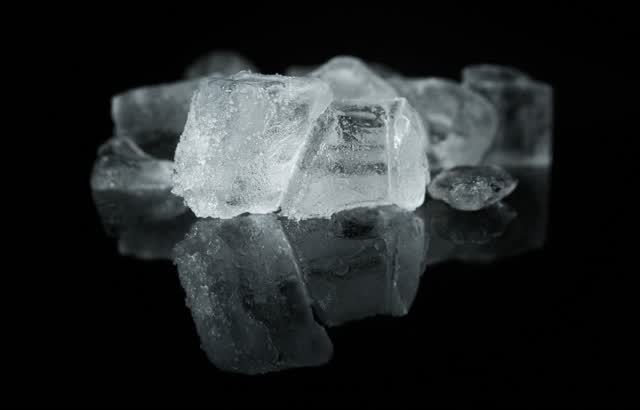
Ice maker leaking
Check supply connections, drain hose alignment and clamps, drain cap, level and (if fitted) the drain pump kit connections. Some dripping from the cutter grid into the bin during harvest is normal on clear-ice units.
Guide · Ice MakerIce melting in the bin (portable / undercounter)
Many countertop and some undercounter machines have unrefrigerated bins: melting is normal and the melt is recycled or drained. Excess melting comes from a hot location, a door left open or poor ventilation.
Guide · Ice MakerIce tastes or smells bad
Common causes: old filter, food stored in the bin, dirty bin, and mineral scale. Replace the filter, keep only ice in the bin, wash the bin and clean/sanitize the machine.
Guide · Ice MakerNugget/flake machine auger overload or no ice sensed
Scale on the evaporator and auger is the most common cause of auger overload. Low water starves the freezing cylinder. Descale and check water before replacing gear motors.
Guide · Ice MakerSmall, thin, hollow or cloudy cubes
Small or thin cubes usually mean not enough water: low pressure, a clogged filter or inlet screen, or water leaking out of the pan (loose drain cap, check valve leak-by). Cloudy ice usually means scale. In bins that are insulated but not refrigerated, cubes naturally shrink and clump over time.
Guide · Ice MakerUndercounter ice maker not making ice
Check power, water supply and pressure, drain (pump models stop when they cannot drain), bin sensor, cleaning status, condenser and room temperature. Scale is the most common cause on older machines.
Guide · Ice MakerUndercounter ice maker: ice slab will not release or sticks on the cutting grid
Grid-cutter (slab) ice makers freeze a sheet, release it during harvest and let a heated wire grid cut it into cubes. Most release problems come from an unlevel cabinet, scale on the evaporator plate, or a cutting grid that is unplugged or not heating. Harvest switches and probes are next.