Repair guides
Pick a type, an appliance or a brand. Every guide lists the tools, the safety call-outs, the steps and the reading you should expect.
Diagnostic · 374
Symptom → most likely cause, step by step
Component tests · 69
How to test a specific part, with expected readings
Installation · 33
Install, replace and hook up appliances correctly
Fundamentals · 24
Core skills every appliance tech uses
Appliance
Brand-specific guides
34 guides · Air Conditioners
Diagnostic · 28
 Guide · Air Conditioner
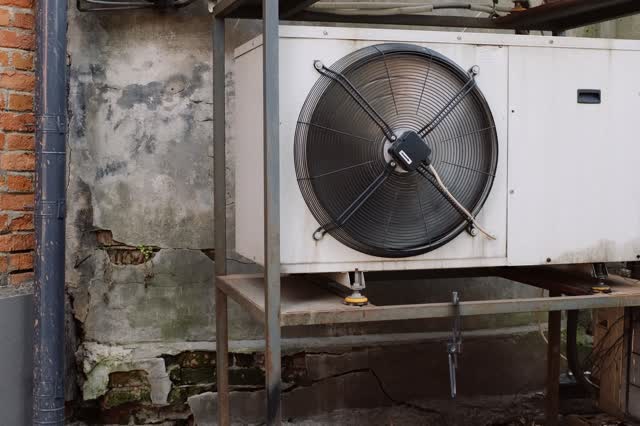
AC/heat pump outdoor fan not spinning
On conventional units the usual causes are a failed fan capacitor, a seized motor or a contactor problem. On inverter mini-splits the fan is driven by the board and usually posts a fan error code.
Guide · Air ConditionerAir conditioner blowing warm or room-temperature air
Warm air with a running fan means the compressor is not running or not pumping. Confirm the mode and setpoint, then check whether the compressor is actually starting before looking at capacitor, overload and contactor.
 Guide · Air Conditioner
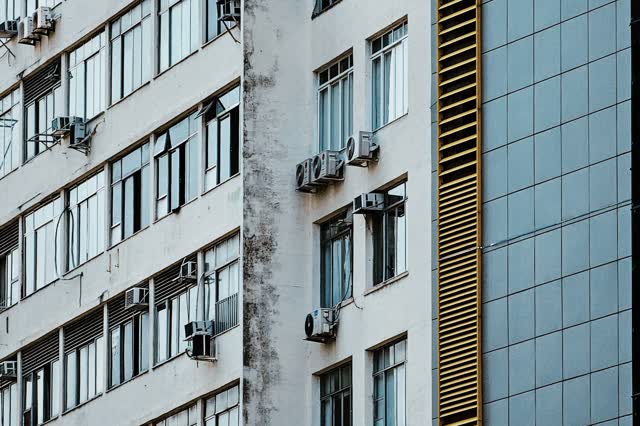
Air conditioner dripping or leaking water indoors
Condensate is supposed to drain outdoors. Indoor leaks come from wrong tilt, blocked drain openings or lines, a frozen coil melting off, or a cracked pan / failed pump.
 Guide · Air Conditioner
Air conditioner freezing up (ice on the coil)
Ice forms when the coil gets too cold, nearly always from low airflow or running in cool weather. Thaw first, then fix airflow. Repeated icing with good airflow suggests low charge, which is sealed-system work.
Guide · Air ConditionerAir conditioner loud noise or vibration
Most noise is mechanical and easy: loose panels, fan blade striking ice or the shroud, worn motor bearings, or a poorly supported window unit. Electrical buzzing at the condenser often points to a contactor or capacitor.
 Guide · Air Conditioner
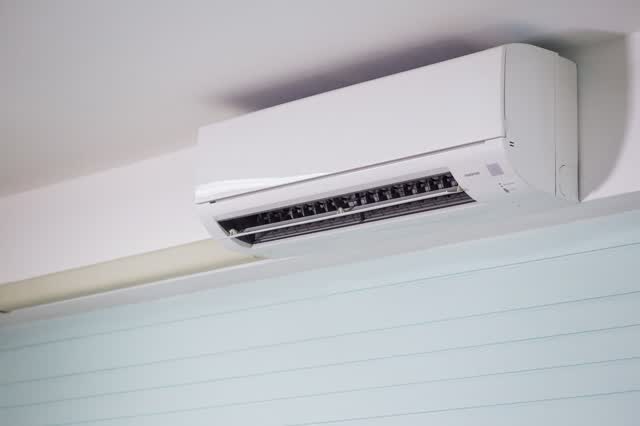
Air conditioner running but not cooling enough
Most no-cool calls on room units are airflow, installation or sizing problems, not hardware. Measure the temperature drop across the unit first, then work through filter, coils, air leaks and heat load before suspecting the sealed system.
Guide · Air ConditionerAir conditioner short cycling (turns on and off too often)
Short cycling has many causes: oversized equipment, a badly placed thermostat or sensor, restricted airflow leading to icing, failing electrical parts, or refrigerant issues. Start with the cheap checks.
 Guide · Air Conditioner
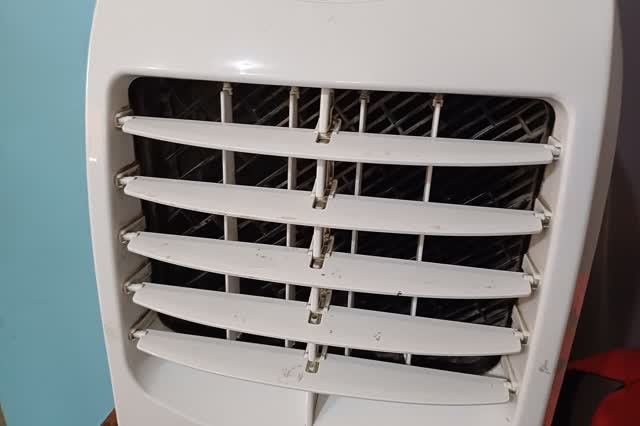
Air conditioner tripping the breaker
Find out when it trips: instantly (short to ground), at compressor start (hard start, bad capacitor, weak breaker) or after running (overload, loose connection heating up). Never upsize a breaker beyond the nameplate maximum.
Guide · Air ConditionerAir conditioner won't turn on (no display, no fan)
Confirm power from the outlet or breaker before blaming the unit. Room units often have a reset button on an LCDI/ALCI plug; mini-splits need power at the disconnect and a working remote.
Guide · Air ConditionerCentral AC shut off by the condensate float switch
Float switches cut the cooling circuit when condensate backs up, usually from an algae or dust clog in the drain line or a failed condensate pump. Clear the drain, let the switch dry/reset, and find out why it backed up. Never bypass the switch.
Guide · Air ConditionerCentral AC won't come back after a power outage or breaker trip
After power returns, thermostats and some outdoor units hold off the compressor for a few minutes. If nothing starts after that, check the thermostat, both breakers, the outdoor disconnect, the float switch and the low-voltage fuse before suspecting parts damaged by a surge.
Guide · Air ConditionerCentral AC: indoor blower runs but outdoor unit won't start (24 V circuit check)
Work the 24 V circuit from the thermostat to the contactor coil. A tripped float switch, damaged outdoor thermostat cable or an open disconnect are far more common than a dead compressor.
Guide · Air ConditionerHeat pump blows cold in heat mode (or heats in cool mode)
The reversing valve is in the wrong position. Check the thermostat O/B setting first, then 24 V at the solenoid coil, then the coil itself. A valve that won't shift with a good energized coil is sealed-system work.
Guide · Air ConditionerHeat pump outdoor coil iced over (not defrosting)
Light frost that clears every hour or so is normal. A solid block of ice means defrost isn't starting or finishing. Check outdoor fan, defrost sensor and board with a forced defrost before suspecting refrigerant.
Guide · Air ConditionerMini-split communication error: interconnect wiring check
Most communication faults are wiring: swapped terminals, loose screws, splices or damaged cable, often after a new install or a storm. Check power, then terminations at both ends, then the data signal, before replacing a board.
Guide · Air ConditionerMini-split indoor unit blinking light (reading the code)
A blinking pattern is a fault code. Count the blinks before you reset power, because a breaker reset erases the code. Then look it up for the brand and fix the cause.
Guide · Air ConditionerMini-split indoor unit dripping water
Indoor head leaks are almost always drain related: clogged pan or line, poor line slope, a failed condensate pump, or the head not level. Ice on the coil from low airflow or low charge is the next suspect.
Guide · Air ConditionerMini-split louvers (vanes) not moving
Vanes are driven by small stepper (swing) motors. Check the swing setting first, then the linkage for a broken clip, then the motor and its connector.
Guide · Air ConditionerMini-split remote modes and settings explained
Many no-cool calls are remote settings: wrong mode, dry mode, auto with a wide band, sleep, eco or timers. Learn the mode icons and reset the remote before tearing into the system.
Guide · Air ConditionerMini-split smells (musty, dirty-sock, burning)
Musty or dirty-sock smell is biological growth on the coil, blower wheel and drain pan. Burning or electrical smell is a different job: stop the unit and inspect electrical parts.
Guide · Air ConditionerOutdoor fan or indoor fan runs but compressor doesn't (capacitor & contactor)
On central AC and many room units, a weak run/start capacitor or burned contactor is the usual cause. Test the capacitor µF against its label and the contactor coil and contacts. A compressor that still won't run with good parts is sealed-system territory.
Guide · Air ConditionerPortable AC shows water-full code or keeps filling
In humid weather or dry mode, a portable can collect water faster than it evaporates it. Drain and set up a continuous drain first; a code with an empty tank points to the float switch or internal pump.
Guide · Air ConditionerPortable AC: exhaust hose, poor cooling and hot hose
Portable ACs depend on the exhaust hose. Long, kinked or extended hoses and leaky window kits pull hot air back in. Single-hose units also create negative pressure that draws in outside air.
Guide · Air ConditionerPTAC error codes: how to read and clear them
Most PTAC brands store fault codes that can be shown with a button combination on the control (for example GE Zoneline uses a MODE + another key sequence on some models). Read the active code, fix the cause, then clear it.
Guide · Air ConditionerPTAC not cooling (fan runs, air not cold)
Most PTAC no-cool calls are airflow (filter, coils), a wrong control setting or a failed compressor start component. Rule those out before suspecting the sealed system.
Guide · Air ConditionerPTAC not heating (electric heat or heat pump)
PTACs heat with electric strip heat, a heat pump, or both. Heat pump models switch to strip heat in cold weather. Check settings, then the heater element and its limits, then the reversing valve.
 Guide · Air Conditioner
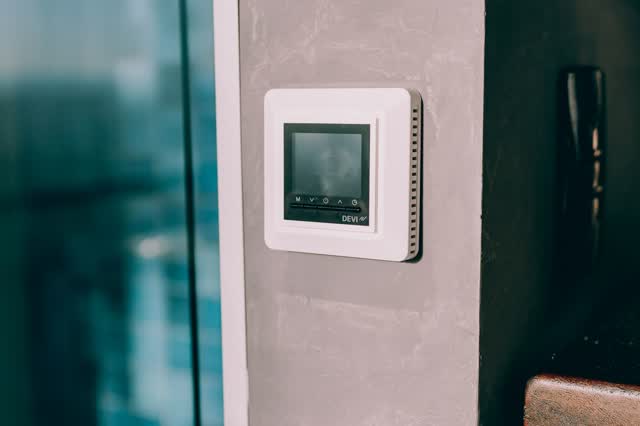
Remote or thermostat not responding
Start with batteries and line of sight, then test the unit with its own controls. On central systems, confirm the thermostat is powered (24 V) and actually calling.
Guide · Air ConditionerWindow AC smells musty or moldy
Standing water in the base pan, slime on the coil and a dirty blower wheel cause most odors. Units tilted wrong or stored wet are frequent offenders.
Component tests · 4
 Component test · Air Conditioner
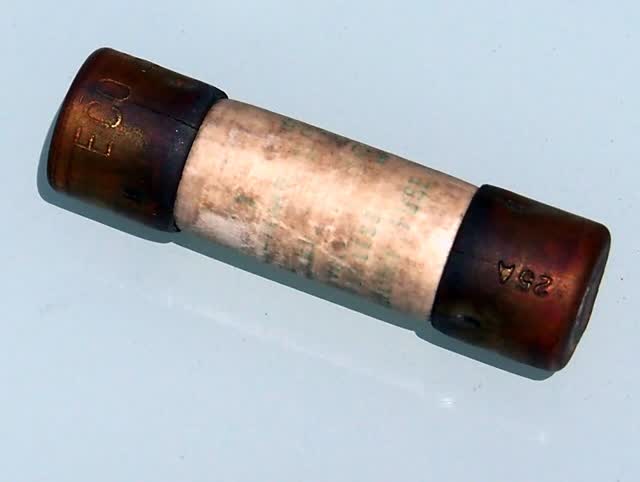
24 V control transformer (HVAC)
The control transformer steps line voltage down to about 24 V AC for the thermostat, board and contactor coil. Measure primary and secondary under power; a blown low-voltage fuse means a short in the 24 V wiring, not a bad transformer.
 Component test · Air Conditioner
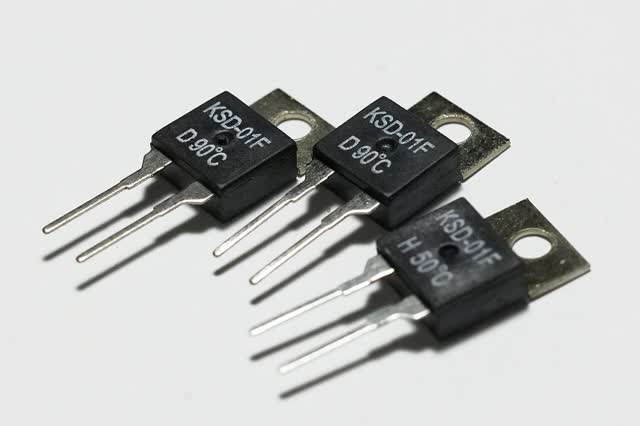
Contactor (HVAC): coil, contacts and voltage drop
The contactor closes line voltage to the compressor and fan when it gets 24 V on its coil. Check coil voltage, coil resistance, contact condition and voltage drop across closed contacts.
 Component test · Air Conditioner
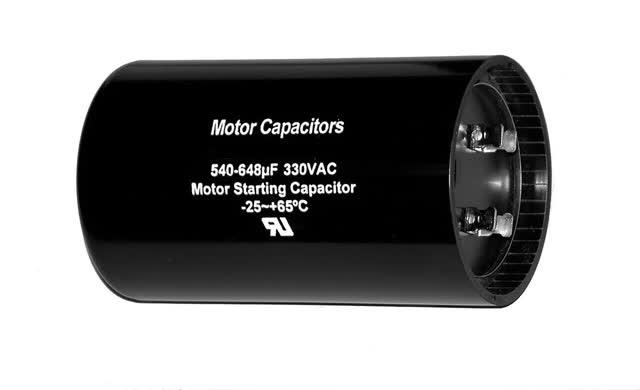
Dual run capacitor (HVAC condenser): testing both sections
A dual capacitor has C (common), HERM (compressor) and FAN terminals with two µF ratings in one can. Test C-HERM and C-FAN separately against the label; one section can fail while the other is fine.
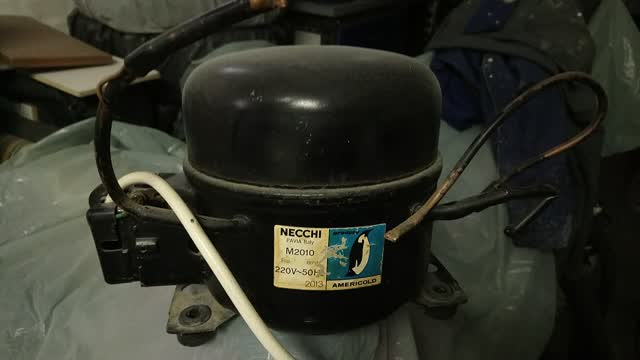 Component test · Air Conditioner
Mini-split outdoor inverter board: what is safe to check
Mini-split outdoor boards rectify line voltage to a high DC bus and drive the compressor and fan. Field checks are input power, communication, error codes and compressor winding balance. Board DC bus voltage is dangerous after shutdown.
Installation · 2
Install · Air ConditionerMini-split install overview: mounting and electrical prep only (line set BLOCKED)
The handyman scope is limited to the indoor wall plate, the wall penetration, the outdoor pad or bracket and coordinating electrical work. Line-set connection, vacuum, refrigerant release or charging are EPA 608 work and BLOCKED; the outdoor disconnect and circuit are for a licensed electrician.
Install · Air ConditionerWindow air conditioner install and support bracket
Secure the unit so it cannot fall, give it the slight outward tilt the manual specifies (some models have a sloped base pan and need none), seal the side panels, and plug directly into a suitable outlet. Larger or heavier units should have an exterior support bracket.