Repair guides
Pick a type, an appliance or a brand. Every guide lists the tools, the safety call-outs, the steps and the reading you should expect.
Diagnostic · 374
Symptom → most likely cause, step by step
Component tests · 69
How to test a specific part, with expected readings
Installation · 33
Install, replace and hook up appliances correctly
Fundamentals · 24
Core skills every appliance tech uses
Appliance
Brand-specific guides
35 guides · Dishwashers
Diagnostic · 27
 Guide · Dishwasher
Bosch E15: leak tray flooded
E15 means water is in the base pan and the float is up. Dry the pan, reset the float, then find the leak - otherwise it comes back.
 Guide · Dishwasher
Cloudy glasses or white film
Tell hard-water film from etching with a vinegar soak: film comes off, etching does not. Film is fixed with rinse aid, correct detergent dose and softening; etching is permanent and made worse by soft water, too much detergent and very hot cycles.
 Guide · Dishwasher
Detergent not dissolving
Usually cool water, low spray pressure (filter/arms), or a dispenser door blocked by dishes.
Guide · DishwasherDishDrawer F1: water in base / flood
F1 means the flood sensor found water. Separate foam problems from real leaks before taking anything apart. Real leaks on older units usually come from cracked drain hoses or a lid that is not sealing.
 Guide · Dishwasher
Dishes not drying
Many dishwashers (including most Bosch) dry by condensation, so rinse aid is essential and damp plastics are normal. On heated-dry models, check the element, vent and fan.
Guide · DishwasherDishwasher controls won't respond (control lock / child lock on)
The control lock blocks the keys. It is turned off with a key combination that differs by model.
Guide · DishwasherDishwasher cycle runs too long or stalls
Most long cycles are the control waiting for heat (cool supply, bad heater or thermistor) or a soil sensor reading dirty water. Check water temperature, then clean the turbidity sensor, then test thermistor and heater.
Guide · DishwasherDishwasher detergent dispenser door won't close or latch
Most cases are caked detergent on the latch or hinge. If the latch spring or the dispenser itself is broken, the dispenser assembly is replaced from inside the door.
Guide · DishwasherDishwasher door falls open or slams down
Door springs or cables are broken or out of place.
Guide · DishwasherDishwasher keeps beeping
A few beeps at the end of the cycle is normal on many models and can often be turned off in the settings. A repeating beep pattern, or beeps with flashing lights, is usually an error code.
Guide · DishwasherDishwasher leaking
Rule out suds and loading, then inspect door gasket, inlet valve/fitting, pump seals and hoses. Leak codes mean water is already in the base pan.
Guide · DishwasherDishwasher noisy (grinding, humming, thumping)
Grinding is usually debris at the pump or chopper; loud humming is a stalled or starved pump; thumping is spray arms hitting items.
 Guide · Dishwasher
Dishwasher not cleaning well
Poor cleaning is usually low water temperature, a clogged filter, blocked spray-arm holes, or loading that blocks the arms. Check those before parts like the wash motor or heater.
Guide · DishwasherDishwasher not draining / standing water
Work from cheapest to costliest: filter and sump, drain hose and disposer/air gap, then pump impeller, then pump power. Water that returns 30-60 minutes after a good drain points to the check valve.
Guide · DishwasherDishwasher not filling
Confirm supply and hose first, then inlet screen and valve, then float/flow sensing and door latch.
Guide · DishwasherDishwasher not heating water
Confirm the supply water is hot first, then test the heater (or Bosch heat pump heater), the high-limit and the thermistor. If all test good, suspect the heater relay on the control.
Guide · DishwasherDishwasher overflowing with suds
Almost always the wrong soap: hand dish soap, laundry detergent or too much detergent. Remove the suds, then run clean cycles.
Guide · DishwasherDishwasher rack rusting
The vinyl coating has chipped and the steel is rusting. Repair kits or rack replacement.
Guide · DishwasherDishwasher smells bad
Usually food and grease in a manual-clean filter, spray arms or the tub bottom, or standing water from a slow drain. Clean, then fix drainage; check the disposer too.
Guide · DishwasherDishwasher smells like burning
A burning smell is often plastic that fell onto the heater, but it can also be an overheating wire, connector or motor. Stop the unit and find the source before running it again.
Guide · DishwasherDishwasher stops mid-cycle
The control usually stops for a code: door, water, drain or sensor faults. Read the code first.
Guide · DishwasherDishwasher top rack not cleaning (bottom rack OK)
When only the upper rack is dirty, the water is not getting up there. Check the upper spray arm, its feed tube and seal, the filter, and on units that switch between arms, the diverter.
 Guide · Dishwasher
Dishwasher trips the breaker or GFCI
A GFCI trip means current leaking to ground, often from a cracked heating element, water on heater terminals, or a leaking pump. Isolate loads one at a time with power off.
Guide · DishwasherDishwasher upper rack drops, tilts or falls off the track
Upper racks ride on rails with end stops and, on adjustable racks, a height adjuster on each side. Broken adjuster latches, missing wheels, worn end stops or a cracked rail cause most sagging and fall-off complaints. These are snap-in parts matched to the model number.
Guide · DishwasherDishwasher won't start
Check power (breaker, under-sink switch/plug), lock and delay settings, then door latch switches and the control's thermal fuse where fitted.
Guide · DishwasherDoor latch problems
The latch holds the door and signals the control. Debris, rack overload, gasket misalignment or a failed switch are usual causes; switches are usually sold with the latch.
Guide · DishwasherRinse aid not dispensing
Check the setting and the cap first. Some models also have a rinse aid sensor that can report a fault.
Component tests · 5
 Component test · Dishwasher
Dishwasher door latch and door switch
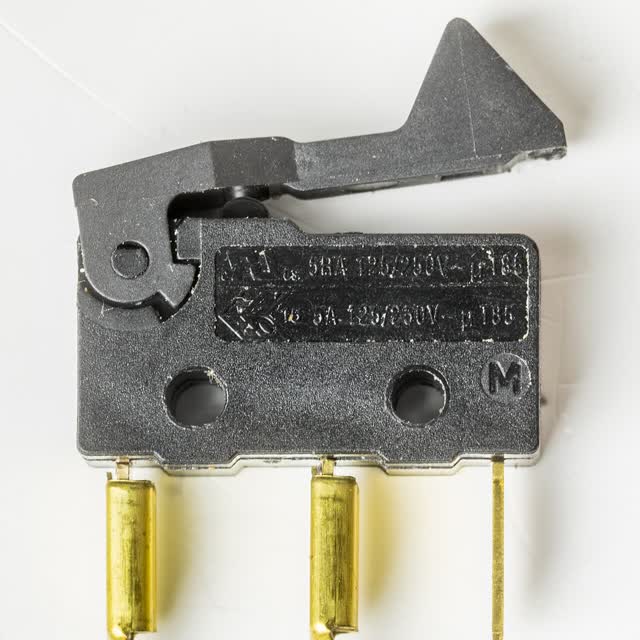
The latch carries one or two switches that close when the door latches. The board will not start a cycle without them. Test continuity with the latch engaged and released.
 Component test · Dishwasher
How to test a dishwasher circulation (wash) pump motor
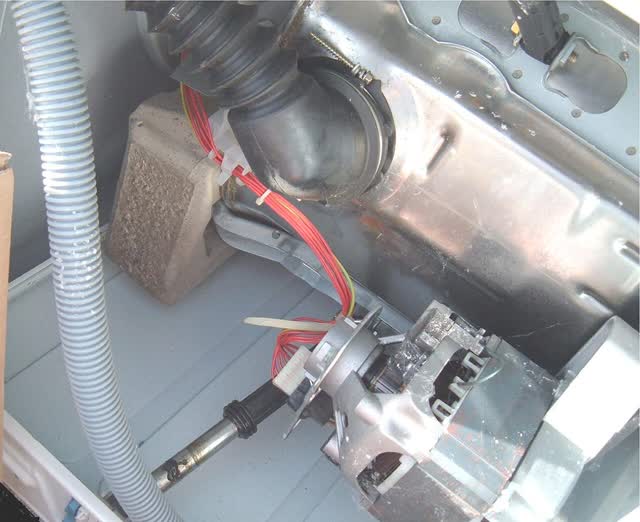
The wash motor pushes water to the spray arms. Older units use an AC induction motor; many newer ones use a brushless DC motor driven by the board. Rule out a jam and a filter clog before testing, and use the tech sheet for winding values.
 Component test · Dishwasher
How to test a dishwasher heating element
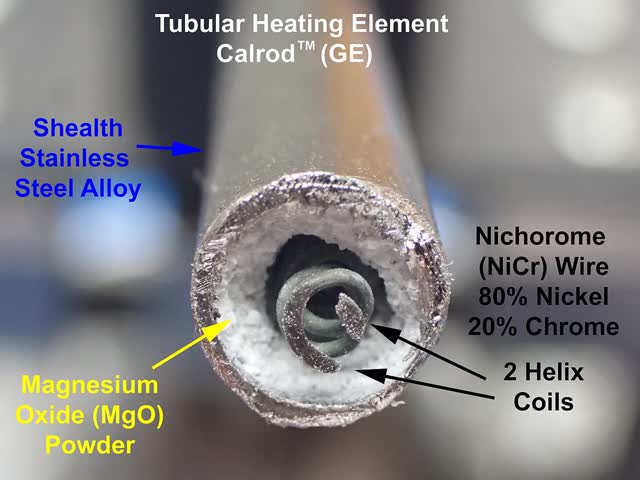
Many US dishwashers have a hidden or visible loop element under the tub. A good one reads in the tens of ohms. A leak to the tub trips the GFCI even when the resistance looks fine, so always check to ground.
 Component test · Dishwasher
How to test a float switch (dishwasher overfill and similar)
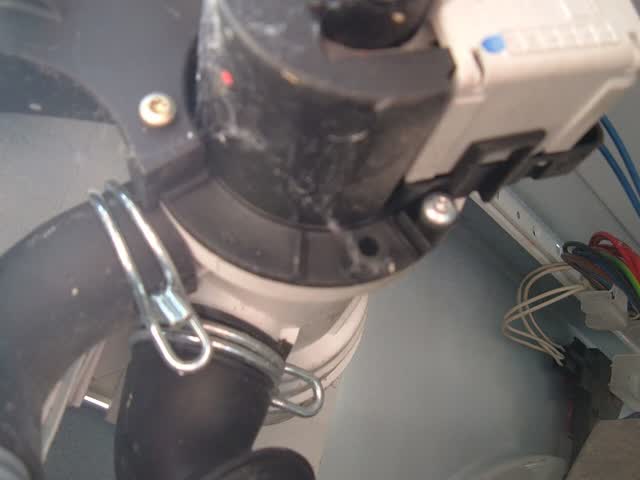
A float rides up with water and opens or closes a small switch under the tub. It stops overfill or flags a leak. Make sure the float moves freely before blaming the switch.
Component test · DishwasherHow to test a wax motor (dispenser, lid lock, diverter actuators)
A wax motor is a slow thermal actuator: a small heater melts wax that pushes a plunger out over a minute or so. Test the heater resistance and watch it extend when powered.
Installation · 3
Install · DishwasherDishwasher electrical: hardwired whip vs plug-in cord kit
Dishwashers arrive either set up for a hardwired connection at their own junction box or for a cord kit, and the model instructions say which is allowed. Hardwiring and any change to the circuit are electrical work and may need a licensed electrician and permit. The handyman scope is usually reconnecting an existing, code-compliant circuit the same way it was.
 Install · Dishwasher
Dishwasher install: water, drain loop or air gap, power and mounting
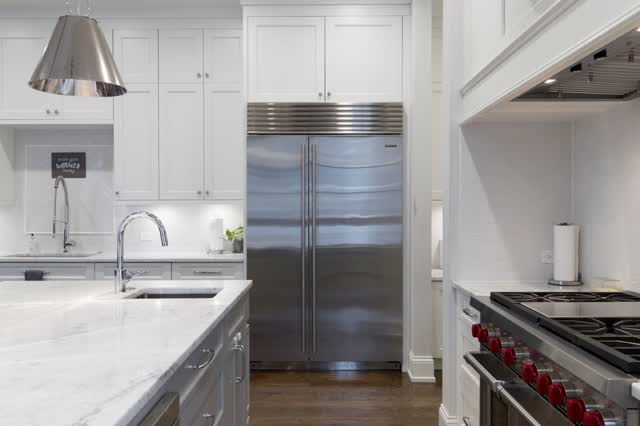
A built-in dishwasher needs four things done right: a hot-water supply with its own shutoff, a drain that cannot siphon back (high loop or air gap, as local code requires), the correct electrical connection for that model, and secure mounting to the counter or cabinet sides. Most callbacks come from a kinked drain hose, a skipped high loop, or a unit that was never anchored.
Install · DishwasherDishwasher replacement: swapping an old unit (disposal knockout, reused connections)
A swap is faster than a new install but hides traps: old supply lines and fittings that should be replaced, a disposal inlet that still has its knockout plug if the disposal is also new, and an old drain path with no high loop. Treat every connection as new.