Repair guides
Pick a type, an appliance or a brand. Every guide lists the tools, the safety call-outs, the steps and the reading you should expect.
Diagnostic · 374
Symptom → most likely cause, step by step
Component tests · 69
How to test a specific part, with expected readings
Installation · 33
Install, replace and hook up appliances correctly
Fundamentals · 24
Core skills every appliance tech uses
Appliance
Brand-specific guides
374 guides
Refrigerators · 30
See all 30 Guide · Refrigerator
Compact / mini-fridge not cooling
First decide whether it is a compressor or thermoelectric unit. Thermoelectric units are limited by room temperature. On compressor units, the start relay/overload is the cheap fix and sealed-system faults usually mean replacement.
 Guide · Refrigerator
Defrost system failure (frosted evaporator)
The defrost system (heater, defrost thermostat/thermal fuse or sensor, and the timer or control board) must melt the coil frost every few hours. If any of them fails, the coil turns into a block of ice and airflow stops. Test the heater and the limit with the coil still cold.
 Guide · Refrigerator
Demo / showroom mode stuck (OFF, OF OF, 'cooling off')
Demo (showroom) mode runs lights and display with cooling off. It's a key combination, not a repair. If it returns after exit, the panel may be faulty.
 Guide · Refrigerator
Fresh-food light out (LED or bulb)
On LED models the cause is usually a failed LED module, the door switch, or the board that powers the LEDs. A light failure alone does not affect cooling.
 Guide · Refrigerator
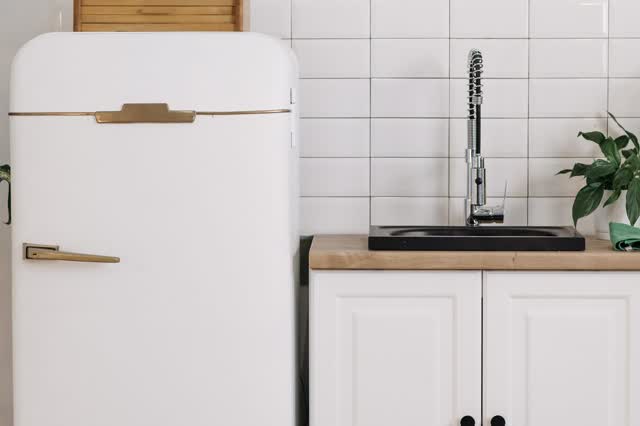
Fresh-food section too cold (freezing food)
Check settings, vent placement, room temperature and the ice-maker-without-water condition first. If those are fine, suspect a damper stuck open or a sensor reading warm.
 Guide · Refrigerator
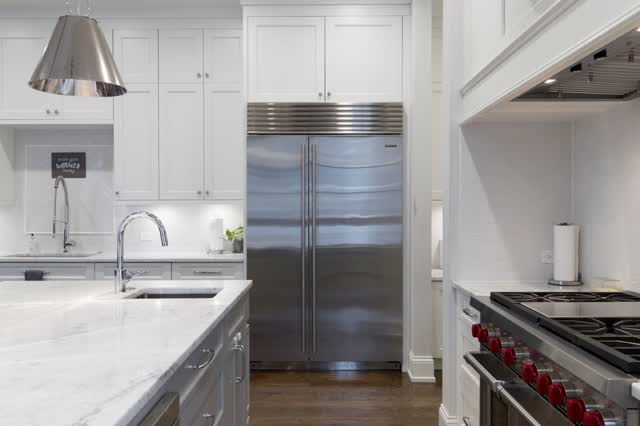
Fresh-food section warm, freezer cold
On single-evaporator units, cold air comes from the freezer through a damper or duct. A frosted evaporator, a stopped evaporator fan or a stuck damper will starve the fridge side. On dual-evaporator units (many Samsung models), the fridge evaporator, its fan and its defrost circuit are the usual suspects.
Washers · 31
See all 31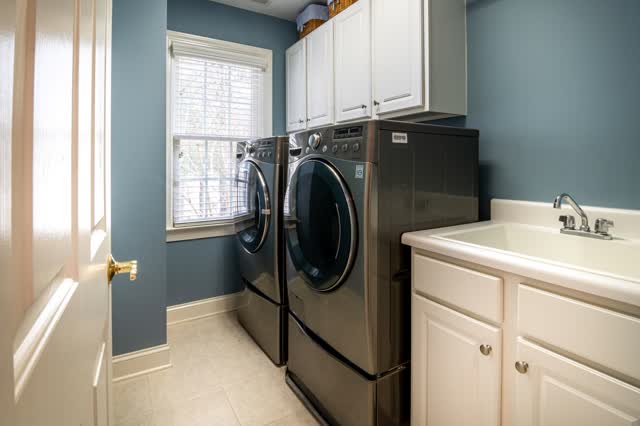 Guide · Washer
Bleach or fabric softener not dispensing (or dispensing too early)
Softener and bleach cups use siphons. Overfilling, a clogged siphon or low water flow causes trouble.
 Guide · Washer
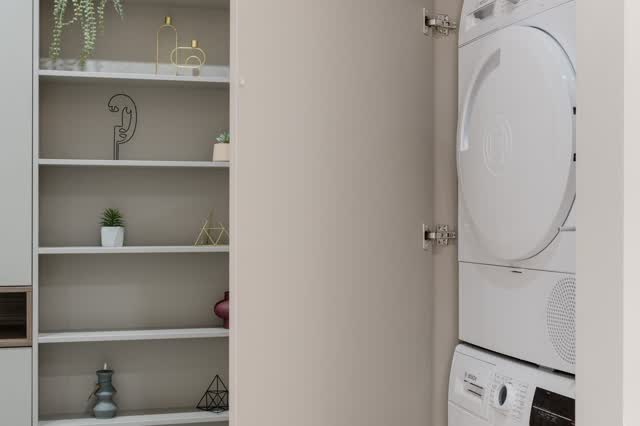
Classic Whirlpool/Kenmore direct-drive: agitates but won't spin
Check the lid switch first, then watch the clutch drum in spin to split the problem between the coupler/gearcase and the clutch/drive block.
 Guide · Washer
Clean-washer reminders and clean-cycle codes (CL, rL, F0E7)
These are reminders or load-detected messages, not faults. Run the clean cycle with an empty drum.
Guide · WasherClothes come out with lint or residue
Common causes are overloading, mixing lint-shedding and lint-catching fabrics, too much or wrong detergent, and a clogged pump filter.
Guide · WasherDetergent dispenser not emptying
Usually low water flow, clogged siphon caps or jets, or overfilling. Check flow first, then clean the drawer and its housing.
Guide · WasherDoor or lid won't lock / won't unlock
Clear obstructions and check the strike first. Then decide electrical vs mechanical: no click = lock solenoid/motor, wiring or control; click but no latch = mechanical jam or broken strike.
Dryers · 24
See all 24 Guide · Dryer
Burnt power cord or terminal block
Loose cord screws heat up under the dryer's high current and burn the terminal block. The fix is a new cord and block installed exactly per the install instructions for 3-wire or 4-wire.
Guide · DryerClothes come out wrinkled
Usually overload, over-drying, or clothes left in the drum. Check moisture sensing and cool-down.
 Guide · Dryer
Clothes too hot / dryer running hot
Most often restricted airflow; also a failed cycling thermostat, thermistor or stuck heater relay.
Guide · DryerDrum not turning (motor runs or hums)
Hand-turn the drum first: free-spinning means a broken belt; heavy or locked means rollers, idler, bearing or a jammed blower. Replace the idler with the belt when it is worn.
Guide · DryerDryer door won't stay closed or dryer stops when bumped
A worn strike or catch, a cracked plastic strike, or a weak door switch actuator makes the control see the door open. Inspect mechanicals before replacing the switch.
Guide · DryerDryer drum light not working
Bulb or LED module, door switch, or drum-light circuit. Some GE Profile models show a code for the drum light circuit.
Dishwashers · 27
See all 27 Guide · Dishwasher
Bosch E15: leak tray flooded
E15 means water is in the base pan and the float is up. Dry the pan, reset the float, then find the leak - otherwise it comes back.
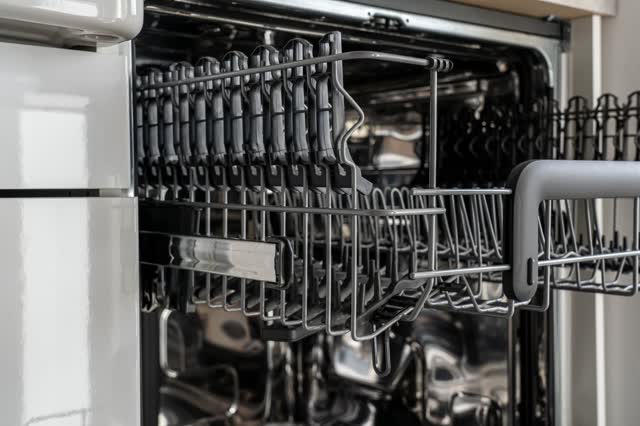
Guide · DishwasherCloudy glasses or white film
Tell hard-water film from etching with a vinegar soak: film comes off, etching does not. Film is fixed with rinse aid, correct detergent dose and softening; etching is permanent and made worse by soft water, too much detergent and very hot cycles.
 Guide · Dishwasher
Detergent not dissolving
Usually cool water, low spray pressure (filter/arms), or a dispenser door blocked by dishes.
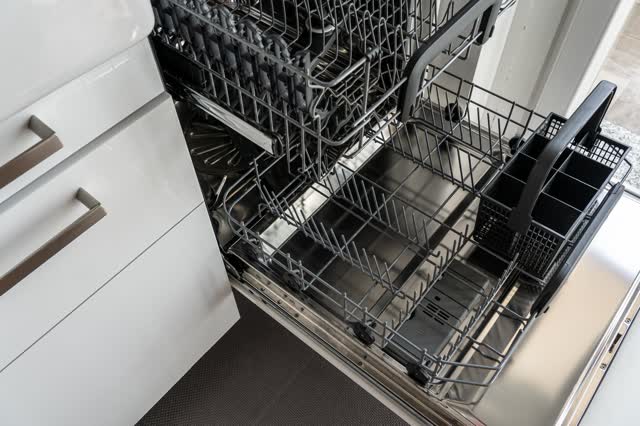
Guide · DishwasherDishDrawer F1: water in base / flood
F1 means the flood sensor found water. Separate foam problems from real leaks before taking anything apart. Real leaks on older units usually come from cracked drain hoses or a lid that is not sealing.
 Guide · Dishwasher
Dishes not drying
Many dishwashers (including most Bosch) dry by condensation, so rinse aid is essential and damp plastics are normal. On heated-dry models, check the element, vent and fan.
Guide · DishwasherDishwasher controls won't respond (control lock / child lock on)
The control lock blocks the keys. It is turned off with a key combination that differs by model.
Ranges & Ovens · 26
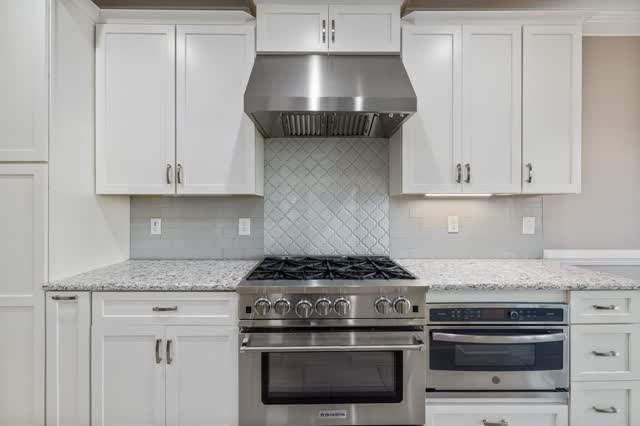
See all 26Guide · Range / OvenControl panel beeping, phantom key presses or F-codes
Most keypad faults come from moisture or grease behind the touch overlay, or a worn membrane, often after self-clean or a boilover. Isolate the keypad from the control by unplugging its ribbon before buying a board.
 Guide · Range / Oven
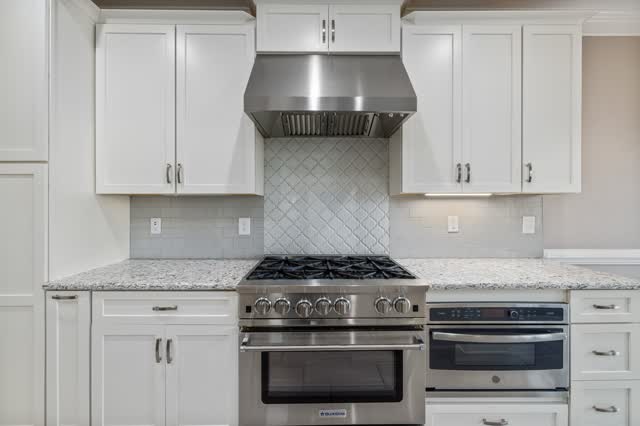
Convection fan not running
Check the blade spins freely, then the motor winding, then whether the control sends 120 V. Bake and broil still work without the fan, so customers often notice only uneven results.
 Guide · Range / Oven
Convection oven baking unevenly
Fan or element.
Guide · Range / OvenElectric coil cooktop sparking
A damaged coil or burnt receptacle. Replace both if the terminals are burnt.
 Guide · Range / Oven
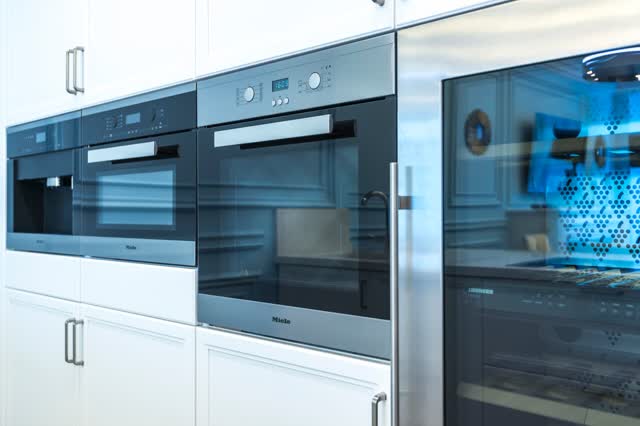
Electric oven not heating (bake or broil)
Most no-heat calls on electric ovens come down to a burned-out bake or broil element, a failed oven temperature sensor, or loss of one 120 V leg of the 240 V supply. Test elements and sensor with power off before suspecting the control board.
Guide · Range / OvenElectric surface element not heating (coil or radiant)
On coil tops, start with the element and its receptacle (swap with a working element of the same size). On radiant glass tops, test the element terminals under the glass, then the infinite switch that powers it. Electronic-control cooktops use relays on a board instead of infinite switches.
Microwaves · 20
See all 20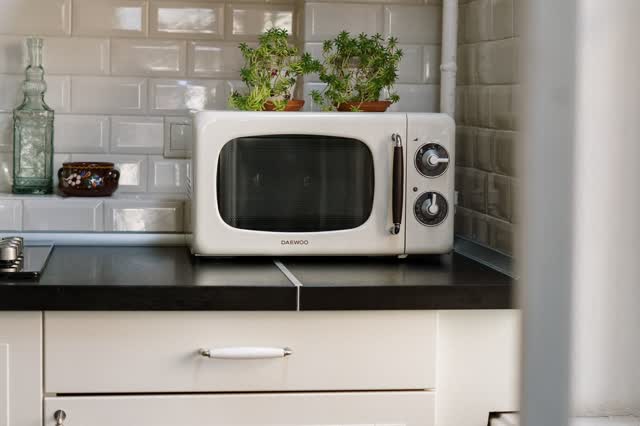 Guide · Microwave
Microwave dead, no display or power
Rule out the outlet and breaker/GFCI first. Inside, the usual cause is a blown line (main) fuse, often blown on purpose by the monitor switch when a door switch fails, so test the door switches before replacing the fuse. Thermal cutoffs and the control board are next. Internal work is high voltage: trained techs only.
Guide · MicrowaveMicrowave door won't close, won't open or latch broken
Obstructions, an unlevel install or soil on the contact area cause most closing problems. Broken latch hooks, door release levers or switch actuators need parts and HV-safe disassembly.
Guide · MicrowaveMicrowave drawer will not open, close or stay closed
Rule out an obstruction, an overloaded drawer, the control lock and a power interruption, then reset at the breaker. Persistent faults point to the position/sensing switch, drawer motor, slides or the control; check for oversized mounting screws on new installs.
Guide · MicrowaveMicrowave has display/clock but won't start
Rule out user settings first (control lock, demo mode, Start not pressed, shipping spacer). If those are fine, the control is not seeing a closed door or is not driving its relays: door switches, latch, or control board.
Guide · MicrowaveMicrowave heats slowly or weakly
Confirm with a water test on High. Then rule out a low power setting and low line voltage, since a small voltage drop cuts output a lot. An aging magnetron is the most common part cause; poor connections and a failing thermal protector also show up.
Guide · MicrowaveMicrowave hums loudly (with weak or no heat)
A loud hum is usually the HV transformer under heavy load from a shorted HV diode, a shorted magnetron or a failing transformer. All checks are in the high-voltage section.
Air Conditioners · 28
See all 28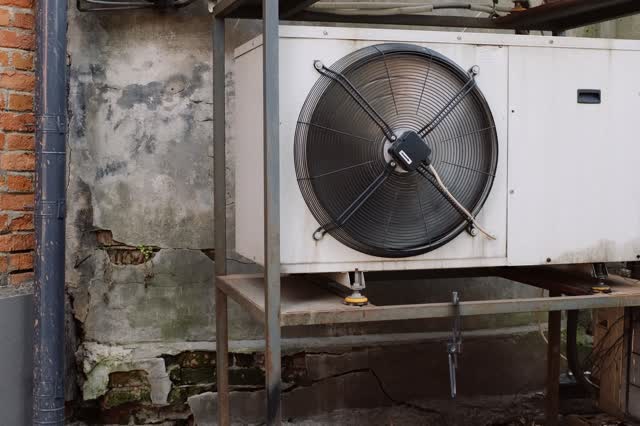 Guide · Air Conditioner
AC/heat pump outdoor fan not spinning
On conventional units the usual causes are a failed fan capacitor, a seized motor or a contactor problem. On inverter mini-splits the fan is driven by the board and usually posts a fan error code.
Guide · Air ConditionerAir conditioner blowing warm or room-temperature air
Warm air with a running fan means the compressor is not running or not pumping. Confirm the mode and setpoint, then check whether the compressor is actually starting before looking at capacitor, overload and contactor.
 Guide · Air Conditioner
Air conditioner dripping or leaking water indoors
Condensate is supposed to drain outdoors. Indoor leaks come from wrong tilt, blocked drain openings or lines, a frozen coil melting off, or a cracked pan / failed pump.
Guide · Air ConditionerAir conditioner freezing up (ice on the coil)
Ice forms when the coil gets too cold, nearly always from low airflow or running in cool weather. Thaw first, then fix airflow. Repeated icing with good airflow suggests low charge, which is sealed-system work.
Guide · Air ConditionerAir conditioner loud noise or vibration
Most noise is mechanical and easy: loose panels, fan blade striking ice or the shroud, worn motor bearings, or a poorly supported window unit. Electrical buzzing at the condenser often points to a contactor or capacitor.
 Guide · Air Conditioner
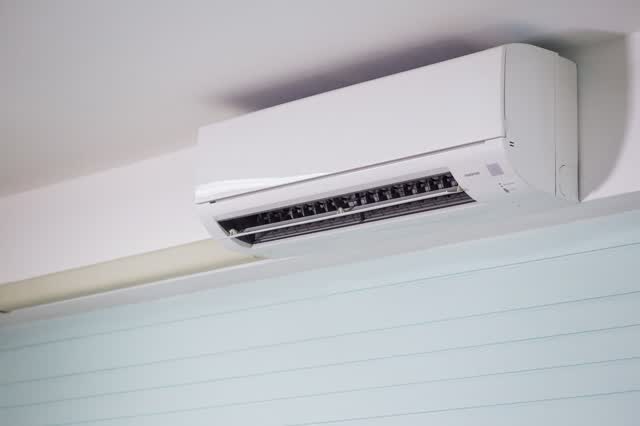
Air conditioner running but not cooling enough
Most no-cool calls on room units are airflow, installation or sizing problems, not hardware. Measure the temperature drop across the unit first, then work through filter, coils, air leaks and heat load before suspecting the sealed system.
TVs · 27
See all 27 Guide · TV
"No Signal" or HDMI input problems
Most no-signal calls are the wrong input, a bad cable, or a source device that is off or sending a format the TV can't show.
 Guide · TV
Apps freeze, crash or won't load
Separate network from app: test on a phone hotspot. One app failing is usually the app; all apps failing points to network or TV software.
Guide · TVAudio out of sync with picture (lip sync)
Check whether it's every source or one channel. Use the TV's AV sync / bypass controls, the soundbar's own delay, and PCM output.
Guide · TVBluetooth / smart remote won't pair
Smart remotes use Bluetooth/RF for most keys and IR only for a few (often power). Fix batteries first, then reset and re-pair close to the TV sensor.
Guide · TVFactory reset and firmware update
Try a soft restart first, then a factory reset from menus, and if menus are unreachable use the hardware reset button (Roku TV). Update firmware afterward.
 Guide · TV
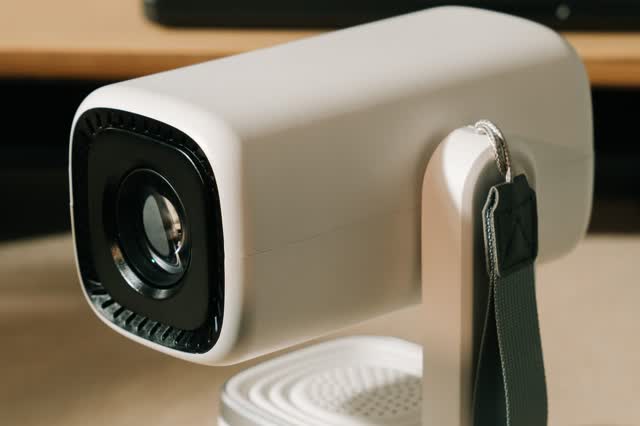
Firmware update or recovery from a USB drive (Samsung, LG)
Samsung and LG let you load the model's update file from a USB stick. The format and folder rules are strict; most failures are a wrong file, wrong folder or wrong format.
Water Heaters · 16
See all 16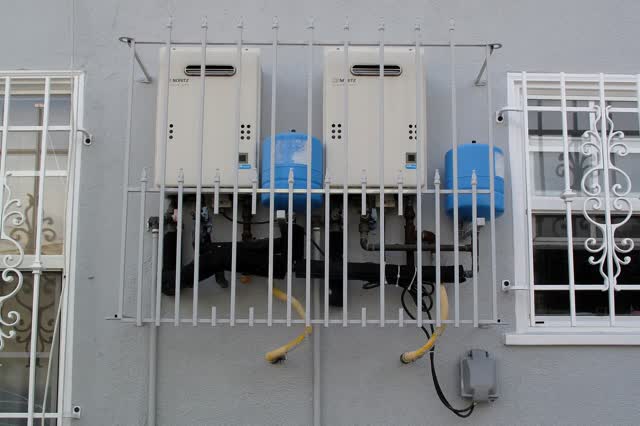 Guide · Water Heater
Anode rod: inspect and replace
The sacrificial anode protects the tank from corrosion. When it is mostly consumed (core wire exposed), replace it. Powered anodes are an option where odor is a problem.
 Guide · Water Heater
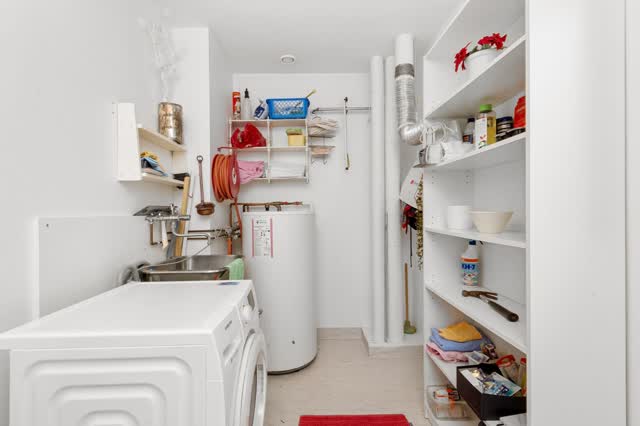
Electric water heater: no hot water
Standard residential electric tanks use two elements and two thermostats in non-simultaneous mode: the upper thermostat heats the top first, then hands power to the lower one. Totally cold water usually means a tripped high-limit (ECO), a dead upper element or a failed upper thermostat. Always find out why the ECO tripped before calling the job done.
Guide · Water HeaterGas water heater: pilot won't light or won't stay lit (diagnose and refer)
Standing-pilot gas tanks use a thermocouple or thermopile heated by the pilot to hold the gas valve open; FVIR models add a thermal switch and flame arrestor. This is a gas appliance: the tech's role here is to read the status light, confirm gas supply, note symptoms and hand off. Pilot assembly, thermocouple/thermopile, burner and gas valve work go to a licensed plumber or gas technician.
Guide · Water HeaterHeat-pump (hybrid) water heater: slow recovery, noise, errors
Hybrids need enough room air and a clean air filter, a working condensate drain and the right mode. Many complaints are mode settings or a dirty filter. Refrigerant faults are sealed-system work.
Guide · Water HeaterHot water recirculation pump problems
Check timer/settings, check valves, air in the loop and the pump itself. On tankless units with built-in pumps, a recirculation code may point to air or a leak in the loop.
Guide · Water HeaterHot water smells like rotten eggs (anode reaction)
Bacteria in some water supplies (common with wells) react with sulfates and the tank's sacrificial anode to make hydrogen sulfide. If only the hot water smells, the heater is the source. Fixes are an anode change to aluminum/zinc or a powered anode, plus a disinfecting shock; never just remove the anode.
Garbage Disposals · 14
See all 14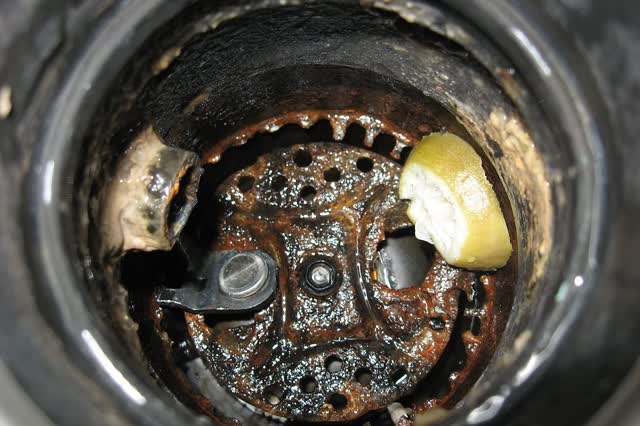 Guide · Garbage Disposal
Batch-feed disposal will not start with the stopper in place
Batch-feed disposals run only when the stopper closes a switch on the unit, either a mechanical switch pushed by a cam on the stopper or a magnetic reed switch on older models. Check the reset button and power first, then the stopper cam/magnet and the start switch.
Guide · Garbage DisposalChoosing disposal horsepower and type
Higher HP grinds more types of scraps; match to household size. Continuous feed needs a switch; batch feed starts with a stopper.
Guide · Garbage DisposalDishwasher won't drain or drains into the sink after a new disposal install
New disposals ship with a plastic knockout plug sealing the dishwasher inlet. If the dishwasher hose was connected without knocking it out, the dishwasher cannot drain. Knock the plug out and remove it from the chamber; also check the hose loop or air gap and the 7/8 in inlet connection.
Guide · Garbage DisposalDisposal runs but grinds slowly or leaves chunks
A running motor with poor grinding points to a partial jam, impellers (lugs) stuck in place, packed buildup around the grind ring, too little water flow, or worn grind components. On older units a worn grind ring often means replacing the disposal.
Guide · Garbage DisposalDisposal sink flange leaking: reseal
Remove the disposal, reseat the sink flange with fresh plumber's putty and gaskets, then remount and leak test.
Guide · Garbage DisposalDisposals on septic systems
Manufacturers say disposals are safe for properly maintained septic systems; septic-specific models add enzymes. This is maker guidance, not independent proof.
Freezers · 12
See all 12 Guide · Freezer
Freezer alarm beeping
Identify which alarm (door, high temperature, power failure), silence it with the reset key, then fix the cause. Disabling alarms is not recommended because they protect food.
 Guide · Freezer
Freezer clicking, compressor not running
Same pattern as fridges: start relay or overload most often, then supply voltage, then compressor. Compressor work is sealed-system: refer.
Guide · FreezerFreezer door hard to open right after closing
Warm air let in cools and contracts, creating a brief vacuum. It is normal on well-sealed units and clears in under a minute. Persistent sticking points to a gasket stuck by ice or a sticky gasket.
Guide · FreezerFreezer frost build-up (gasket, manual defrost chest, frost-free failure)
Most chest and many small upright freezers are manual defrost, so some frost is normal and must be removed when it reaches about 1/4 inch. Fast or patchy frost near the door points to a leaking gasket or heavy door use. On frost-free uprights, frost on the coil behind the panel means the defrost system has failed.
 Guide · Freezer
Freezer in a garage: hot or cold ambient problems
Standard freezers are rated for a limited room range (often about 50-55°F up to 110°F). Garage-ready models are rated wider; Danby lists 0°F to 110°F. Outside the rating, expect high-temp alarms, long run times or poor operation.
Guide · FreezerFreezer lid or door not sealing
Chest lids and upright doors fail to seal from torn or hard gaskets, a tilted cabinet, overfilled baskets or ice on the gasket. Fix the seal before chasing cooling parts.
Ice Makers · 13
See all 13 Guide · Ice Maker
Commercial cuber long freeze or long harvest alarm
Long freeze usually means poor heat rejection or water problems; long harvest usually means scale or harvest components. Do the safe checks; refrigeration work goes to an EPA 608-certified tech.
 Guide · Ice Maker
Countertop ice maker shows 'Add Water' with water in the reservoir
These units detect water with a float, probe or wire sensor in the reservoir and a small pump that lifts water to the tray. Scale on the sensor, a blocked reservoir screen, a stuck float, very pure water or a weak pump can all trigger a false Add Water.
Guide · Ice MakerFull-bin sensor: overfilling or stopping too early
Bin controls are infrared/optical sensors (countertop, Opal), thermostatic bulbs (Hoshizaki) or thermistor sensors. Dirty, blocked, loose or misplaced sensors cause over- or under-production.
Guide · Ice MakerGE Opal nugget ice maker not making ice / descaling
Most no-ice Opal calls are water starvation (low reservoir, side-tank hose, clogged filter, air) or scale. Follow GE's clean/descale procedure with intervals based on water hardness. Continuous grinding is not normal and goes to Opal support.
Guide · Ice MakerIce machine slime, mold or scale
Scale and biofilm slow harvest and trigger long-cycle codes (e.g. Hoshizaki 2 beeps, Scotsman 2). Clean and sanitize per the manufacturer's procedure and replace the water filter.
Guide · Ice MakerIce maker drain pump problems
Pump models are used when there is no gravity drain (e.g. draining to a sink). They need correct hose routing within the stated rise/run limits and tight connections. A pump that cannot discharge can stop production or cause leaks.
Range Hoods · 13
See all 13 Guide · Range Hood
Grease or liquid dripping from the range hood
Most drips are grease that has saturated the filters or collected inside the hood because the filters were not cleaned or were missing. A second pattern is steam condensing inside a duct that runs through a cold space and running back down to the hood. Clean everything, then look at filter habits and duct routing.
Guide · Range HoodHood blower hums but won't spin (capacitor)
A weak run/start capacitor or a greased-up blower wheel are the common causes. A switch fault or seized motor is next. No hum at all points to a thermal fuse, switch or supply.
Guide · Range HoodRange hood controls unresponsive or acting erratically
Electronic hood controls can lock up; a full power reset clears many cases. If not, check the ribbon or harness between the control panel and the main board, then replace the control panel or board. On hoods with Bluetooth or cooktop pairing, an active pairing can make the hood switch on by itself.
Guide · Range HoodRange hood damper flaps or chatters in wind
The backdraft flap is light and moves with wind pressure. Fixes: clean grease so it seals, replace worn foam stops, add a spring-loaded damper, or add light weight to the flap. Too many dampers reduce airflow.
Guide · Range HoodRange hood fan not running (lights may or may not work)
Split the call by whether the lights work. Lights and fan both dead points to supply power or the house wiring; lights OK but no fan usually means a loose blower connector, a seized wheel or a failed motor. A fan that runs and then cycles off is often a motor overheating on a grease-loaded filter.
Guide · Range HoodRange hood LED lights flicker or dead (driver)
Check the LED module and connector first, then the LED driver/transformer and the light switch or control. Use the exact model part.
Dehumidifiers · 11
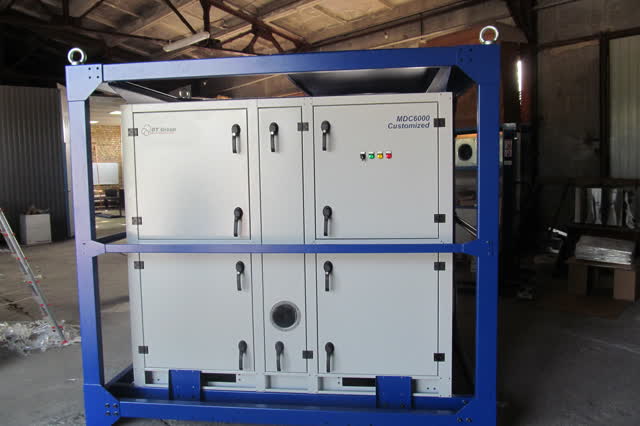
See all 11 Guide · Dehumidifier
Bucket full light (or P1/P2/Eb) stays on with an empty bucket
The bucket switch logic depends on a float and a small switch or magnet. A misseated or warped bucket, a float stuck with slime, or a failed float switch causes a false full signal. On units drained by hose, a loose hose connection can leak water into the bucket.
Guide · DehumidifierContinuous drain or built-in pump not draining
Gravity drains fail from uphill or sagging hoses, a hose end sitting in water, missing washers or loose fittings. Pump drains fail from an unseated pump hose, kinks, a clogged pump filter screen or a dead pump. Most fixes are hose routing and cleaning.
 Guide · Dehumidifier
Dehumidifier blows warm air or smells
A working dehumidifier always discharges slightly warmer air than it takes in; that is normal. Musty smell comes from a dirty bucket, filter or coil.
Guide · DehumidifierDehumidifier coils frosting or icing up
Light frost that comes and goes is normal: the defrost logic stops the compressor and runs the fan until it clears. Persistent ice means the room is too cold, airflow is restricted, the coil sensor has failed, or the refrigerant charge is low (sealed system, blocked).
Guide · DehumidifierDehumidifier error codes: general approach (sensor, bucket, pump)
Most portable dehumidifiers share the same code groups: sensor faults (E1/E2/EH), bucket (P1/FL), pump (E5/P2) and refrigeration protection (E3/EC). Power-cycle and basic checks fix many; sensor faults need a part.
Guide · DehumidifierDehumidifier fan not running
Confirm it is a real fault: many units run the fan on after the compressor stops, and some stop the fan at setpoint. Then check for a jammed blade, a loose motor plug, the fan capacitor (on PSC motors) and the board output.
Furnaces · 14
See all 14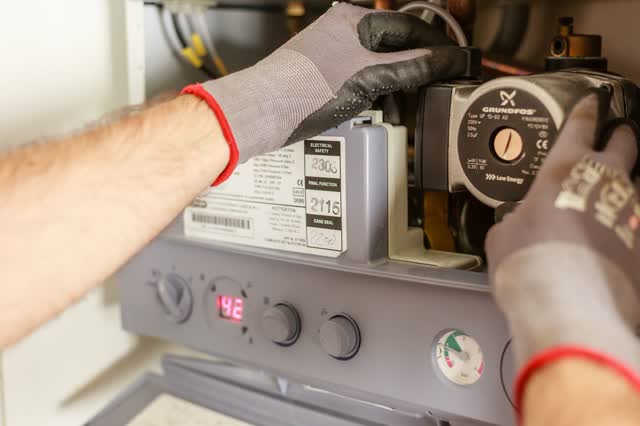 Guide · Furnace
Blower runs constantly
Check the thermostat fan setting first, then whether the board is holding the blower on for a safety (open limit) or a stuck relay. On electric furnaces a stuck sequencer can do the same.
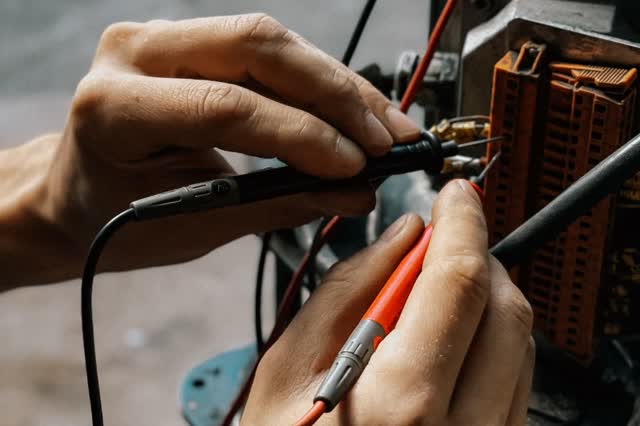
Guide · FurnaceBurners light, then shut off after a few seconds (flame sensor)
The board must prove flame by flame rectification through the flame sensor. A dirty or oxidized sensor, poor ground or reversed polarity makes the board shut the gas off right after ignition.
 Guide · Furnace
Burning smell when the heat first comes on
Dust settled on the heat exchanger or electric heat strips burns off at the first firing and fades within a few hours. A smell that lingers, or smells like plastic, rubber, hot wiring or gas, is not normal and needs diagnosis.
Guide · FurnaceCondensate trap and drain problems (90%+ furnaces)
Condensing furnaces produce acidic condensate that drains through a trap. A clogged or unprimed trap, sagging drain line, frozen line or failed condensate pump causes water backup and pressure switch trips.
 Guide · Furnace
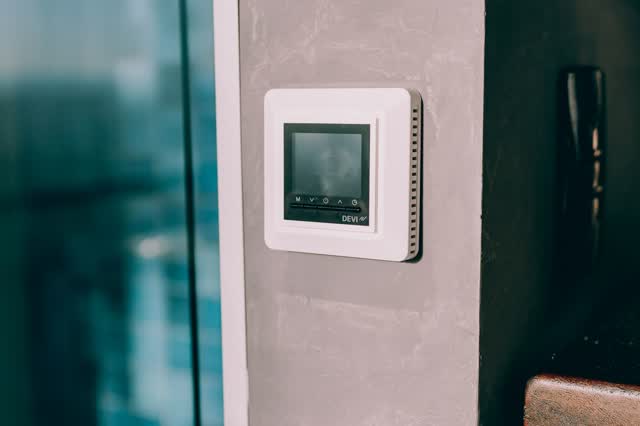
Furnace blowing cold air on a heat call
The common causes are a fan set to ON, a dirty filter tripping the high limit so the burners stop while the blower runs, a full condensate drain on a high-efficiency furnace, or an ignition lockout. Gas valve and burner work is blocked; stop at diagnosis and refer.
Guide · FurnaceFurnace runs no heat (blower only or nothing)
Start with the board LED code, then work the call path: thermostat, 24 V, safeties, inducer, ignition, flame proving. Most no-heat calls end at a filter, a flame sensor, a pressure switch issue or gas being off.
Thermostats · 12
See all 12Guide · ThermostatAuxiliary heat runs too much or all the time
Aux heat should only help when the heat pump cannot keep up. Constant aux usually means wrong wiring/settings (aux on the heat pump terminal, emergency heat left on), big setback recoveries, or a heat pump that is not producing heat.
Guide · ThermostatHeat pump blows cold on heat (or warm on cool): O/B setting
The O/B terminal drives the reversing valve. Most brands energize it in cooling (O); Rheem and Ruud typically energize it in heating (B). A wrong O/B setting reverses the modes. Check the equipment diagram, not wire color.
Guide · ThermostatIndoor fan won't turn off from the thermostat
Start at the thermostat: fan set to ON instead of AUTO, or a setpoint the system can never reach. If the thermostat is right, the cause is in the equipment: a stuck fan relay, a limit switch keeping the blower on, a shorted G wire or a control board fault.
Guide · ThermostatInstalling a C-wire adapter (Nest Power Connector, ecobee PEK and similar)
An adapter mounts at the furnace/air-handler board and lets the existing wires carry both the calls and constant 24 V. Check compatibility first: dual-transformer, fan-coil and communicating systems are commonly excluded.
Guide · ThermostatReplacing an old mercury or 2-wire thermostat
First identify the system: low-voltage 24 V, millivolt (wall furnace/gas fireplace) or line-voltage (120/240 V baseboard). Most smart thermostats only fit 24 V systems. Old dial/lever units often contain a mercury bulb that must be recycled, never trashed.
Guide · ThermostatSmart thermostat offline / Wi-Fi problems
Separate network problems (router, credentials, internet) from power problems: many smart thermostats switch the radio off when batteries or borrowed power run low. Read the brand's code first.
Sump & Well Pumps · 15
See all 15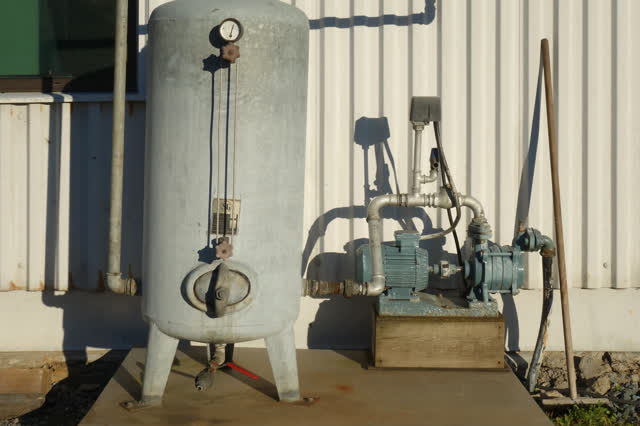 Guide · Sump / Well Pump
Air spitting or sputtering from faucets on a well system
Air in a well system usually enters because the pump is drawing down the well (low water level) or because a leak or failed check valve lets the line drain back and suck air in when the pump stops. A failed pressure-tank bladder can also send air into the lines.
 Guide · Sump / Well Pump
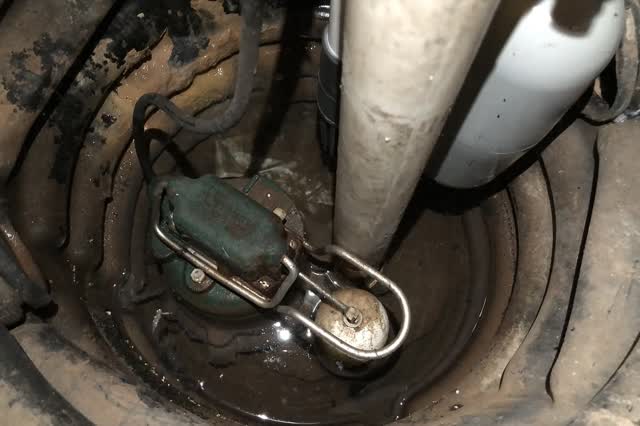
Battery backup sump pump alarm
Backup controllers alarm for four main reasons: no AC power, low or failed battery, blown fuse, or the backup pump had to run. A backup pump run means the primary pump needs attention now.
Guide · Sump / Well PumpCheck valve bang, water hammer and noisy sump pump
A bang right after shutdown is the check valve slamming as the water column falls back. Rattles and vibration come from loose pipe, debris or a damaged impeller.
Guide · Sump / Well PumpNo water from the well
Check what you can safely see above ground: breaker, pressure switch, sensing tube, low-pressure cutoff and the drive's fault display. If those are good, the problem is down the well (pump, motor, cable, water level) and needs a licensed well contractor to pull the pump.
Guide · Sump / Well PumpSewage / ejector pump high-water alarm
Sewage basins are sealed and carry sewer gas and pathogens. Most alarms are a float stuck by grease or wipes, a tripped pump, or a blocked discharge/check valve. Keep work to non-invasive checks unless trained and equipped.
Guide · Sump / Well PumpSewer or musty smell from the sump pit
A clean sump pit should not smell like sewage. Most odors come from a pit that has dried out and no longer seals the drain tile lines, stagnant water, organic buildup, or nearby plumbing traps that have dried or been siphoned. A strong, persistent sewage smell can mean a leaking sewer line near the pit.
Garage Door Openers · 12
See all 12 Guide · Garage Door Opener
Door stops short or reverses at the floor (travel limits and force)
Usually travel limits or force need reprogramming, or the door is binding/out of balance. Test the door by hand first.
Guide · Garage Door OpenerGarage door reverses or will not close (safety sensors)
Nearly always the photo-eye safety sensors: blocked, misaligned, sun-blinded or miswired. Sensors must be repaired, never bypassed. If sensors are fine, look at force/limits and door binding.
Guide · Garage Door OpenerGarage door won't move with the opener after the red release cord was pulled
The emergency release disconnects the door arm from the trolley. Re-engaging it is usually a matter of setting the release back to its connected position and running the opener so the trolley catches the carriage. First confirm the door is balanced; a heavy door means a spring problem, which is blocked work.
Guide · Garage Door OpenerGarage opener light stays on, or will not light
A light that stays on is usually a feature (light button, motion detection, safety-light on beam break) or a door control/wiring fault; Chamberlain gives a test that separates the door control from the logic board. A dead light is usually the bulb, its type, or the socket.
Guide · Garage Door OpenermyQ Wi-Fi opener offline or will not connect
myQ openers join only 2.4 GHz networks. Read the Wi-Fi LED, power-cycle opener and router, clear Wi-Fi and rerun setup in the app.
Guide · Garage Door OpenerNoisy garage door opener
Loose fasteners, poor lubrication, slack chain, worn drive gear or an unbalanced door. Separate opener noise from door noise by running each alone.
Water Softeners & Filters · 14
See all 14Guide · Water SoftenerBrine tank overflowing or holding too much water
Excess brine water means the valve refills but does not draw brine out, or the refill does not stop. Typical causes are a plugged injector or screen, a kinked or scaled brine line, a stuck float, or internal valve leakage.
Guide · Water SoftenerHard water returning (softener has salt but water is hard)
Most hard-water callbacks come from salt that is not reaching the water (bridge or mush), wrong settings, or a regeneration that is not drawing brine. Check the brine tank first, then programming, then the valve.
 Guide · Water Softener
Leaking bypass valve or valve-to-plumbing connection
Bypass leaks are usually worn O-rings in the bypass body or yoke connection, a cracked plastic bypass, or strain from misaligned plumbing. Repair is O-ring replacement or bypass replacement.
 Guide · Water Softener
Low water pressure after the softener
Pressure loss across a softener usually comes from a clogged pre-filter, fouled or broken-down resin, resin escaping into lines, or a valve stuck partly in a regeneration position. Bypassing the unit isolates it quickly.
Guide · Water SoftenerOrange/rust stains even with a working softener
Softeners handle hardness well but have limited ability to remove iron, especially iron that has already oxidized. Iron coats the resin, cuts capacity and passes through to stain fixtures. Test the water before recommending an iron filter or resin cleaning.
Guide · Water SoftenerResin beads in faucets, aerators or toilet tanks
Beads in the plumbing almost always mean a cracked or loose distributor/riser tube or bottom basket in the resin tank. Very old resin can also break into fines that pass the screens.
Wine & Beverage Coolers · 8
See all 8Guide · Wine CoolerCondensation on the glass door or water on the floor
Door sweating is usually humid room air on cold glass, made worse by a leaking gasket, blocked vents or frequent openings. Water on the floor usually means the drip tray is out of place or the defrost drain is clogged.
 Guide · Wine Cooler
Display shows an error, HI/LO, or does not respond
Many alarms (HI/LO, door) clear once the door is closed and the cabinet recovers. Sensor codes point to a thermistor or its wiring. A dead display with power present is usually the display board.
Guide · Wine CoolerDoor seal problems and interior light not working
A worn or poorly seated gasket causes warm cabinets, moisture and long run times. A dead light is usually the bulb/LED, a loose connection or the light switch, which on many units is part of the display board.
Guide · Wine CoolerDual-zone wine cooler: one zone warm, the other fine
When one zone of a dual-zone cooler works, the compressor or main cooling is usually alive. Focus on what each zone has on its own: its sensor, its fan, its air path or damper, its door seal and its section of the control.
Guide · Wine CoolerNoisy wine cooler or beverage center
Most noise is the unit not being level or touching something, loose parts, or a fan blade hitting ice or debris. Thermoelectric units only have fans, so noise there is almost always a fan. Some fan cycling is normal.
Guide · Wine CoolerThermoelectric wine cooler not cooling (fans run, cabinet near room temperature)
Thermoelectric coolers move heat with a solid-state Peltier module and two heat-sink fans, so they can only pull the cabinet a limited amount below room air. Rule out a hot room, blocked airflow and dusty fins before condemning the module, its fans or the DC power supply.
Trash Compactors · 7
See all 7 Guide · Trash Compactor
Bad odor from the trash compactor
Trapped food or leaked liquid under the bag and on the ram are the usual sources. Clean, replace the charcoal filter/odor control as the user guide directs, and add baking soda.
Guide · Trash CompactorMotor hums but the ram does not move
A humming stalled motor points to a mechanical jam (chain, gear, power nuts, overfilled bin) or a motor/start failure. Unplug quickly; continued humming overheats the motor.
Guide · Trash CompactorNoisy trash compactor (banging, squealing)
Worn plastic gear teeth, chain or power-screw sockets, dry power nuts, or a sticking directional switch.
Guide · Trash CompactorRam stuck down or will not travel
Check the drive chain/gears, then the directional switch, then the power nuts on the power screws. The ram can be raised by turning the drive gear by hand with the unit unplugged.
Guide · Trash CompactorTrash compactor drawer will not open
The drawer opens only with the ram fully up and no Solid/lock cycle active. Otherwise look for debris in the tracks, bad rollers or a foot pedal/catch problem.
Guide · Trash CompactorTrash compactor motor runs but the ram does not move
If the motor turns freely, the fault is in the drive train between the motor and the ram: drive chain or belt, sprockets/gears, or the plastic power nuts that ride the power screws. A broken directional/limit switch can also leave the screws turning the wrong way or not at all.