Repair guides
Pick a type, an appliance or a brand. Every guide lists the tools, the safety call-outs, the steps and the reading you should expect.
Diagnostic · 374
Symptom → most likely cause, step by step
Component tests · 69
How to test a specific part, with expected readings
Installation · 33
Install, replace and hook up appliances correctly
Fundamentals · 24
Core skills every appliance tech uses
Appliance
Brand-specific guides
17 guides for GE
Refrigerators · 2
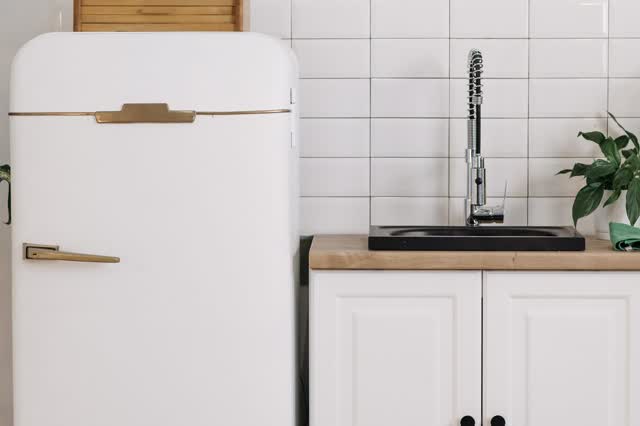 Guide · Refrigerator
Top-mount refrigerator: defrost timer and cold control check
On conventional top-mounts, a mechanical defrost timer and a cold control decide when the unit cools or defrosts. Advancing the timer by hand tells you in minutes whether the timer, the defrost parts or the cold control is at fault.
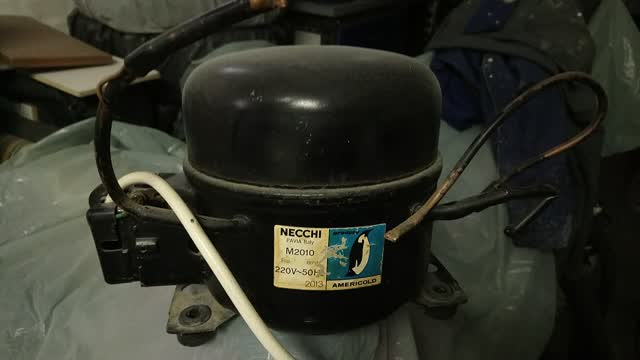 Component test · Refrigerator
Refrigerator inverter compressor board: what is safe to check
Inverter boards make variable-frequency 3-phase power for the compressor. Electrical checks of the board and compressor terminals are allowed; anything that opens the sealed refrigerant system is EPA 608 work and blocked. Boards fail more often than compressors.
Washers · 2
 Guide · Washer
Washer-dryer combo washes but does not dry
Combos are ventless and dry slowly. Clean the condenser/lint path, check load size and power (many need 240 V), then check heater or heat pump.
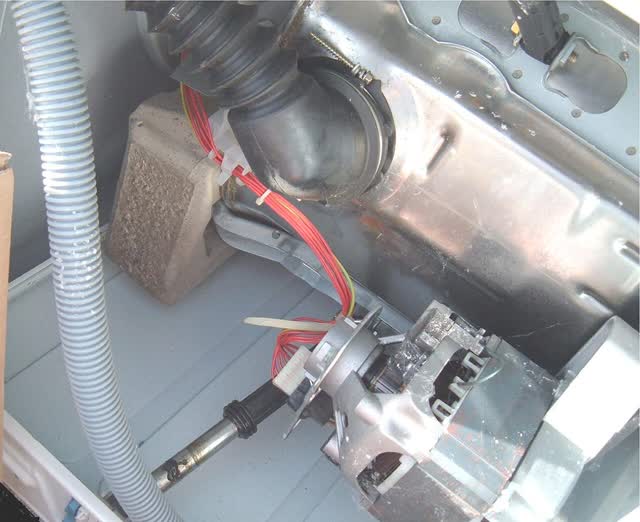 Component test · Washer
Washer motor control unit / inverter board
Direct-drive and inverter washers use a motor control unit (MCU) that powers a 3-phase motor and reads a hall sensor or tach. Separate MCU, motor windings, hall sensor and harness before buying a board.
Dryers · 3
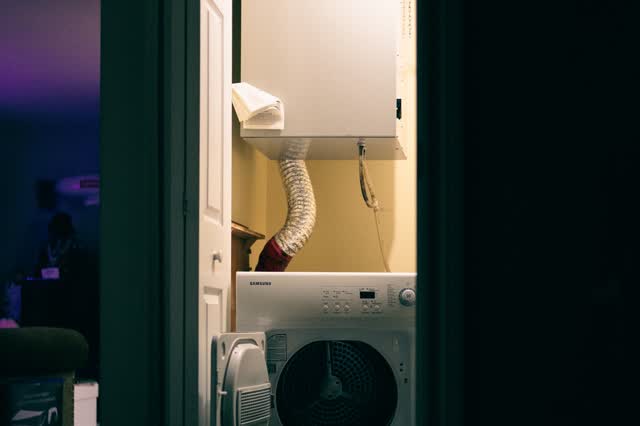 Guide · Dryer
Dryer will not connect to the app (Wi-Fi)
Most cases are 2.4 GHz network, registration or router issues; a few are module faults.
Guide · DryerHeat-pump (ventless) dryer drying poorly
Heat-pump dryers are slower than vented dryers by design. Real faults are usually clogged lint or condenser filters, a blocked drain path, or a cold room. The refrigerant circuit is sealed: diagnosis only.
Guide · DryerLint filter not detected or lint filter codes
Several dryers sense the lint filter. Seat the filter fully, clean it, then check the sensing switch.
Ranges & Ovens · 1
Air Conditioners · 1
Garbage Disposals · 1
Ice Makers · 2
 Guide · Ice Maker
Ice maker drain pump problems
Pump models are used when there is no gravity drain (e.g. draining to a sink). They need correct hose routing within the stated rise/run limits and tight connections. A pump that cannot discharge can stop production or cause leaks.
Guide · Ice MakerUndercounter ice maker not making ice
Check power, water supply and pressure, drain (pump models stop when they cannot drain), bin sensor, cleaning status, condenser and room temperature. Scale is the most common cause on older machines.
Range Hoods · 1

Water Softeners & Filters · 1
Trash Compactors · 3
 Guide · Trash Compactor
Trash compactor drawer will not open
The drawer opens only with the ram fully up and no Solid/lock cycle active. Otherwise look for debris in the tracks, bad rollers or a foot pedal/catch problem.
Guide · Trash CompactorTrash compactor motor runs but the ram does not move
If the motor turns freely, the fault is in the drive train between the motor and the ram: drive chain or belt, sprockets/gears, or the plastic power nuts that ride the power screws. A broken directional/limit switch can also leave the screws turning the wrong way or not at all.
Guide · Trash CompactorTrash compactor will not start
Most no-starts are power, an unlatched drawer, or the start sequence (key to Start, or On plus foot-actuated start). After that, test the drawer, key/start, toe/foot and directional switches, then the motor.