 5 components covered
Field manual · Fundamentals
Refrigeration basics for appliance techs (concepts and EPA 608 rules, no procedures)
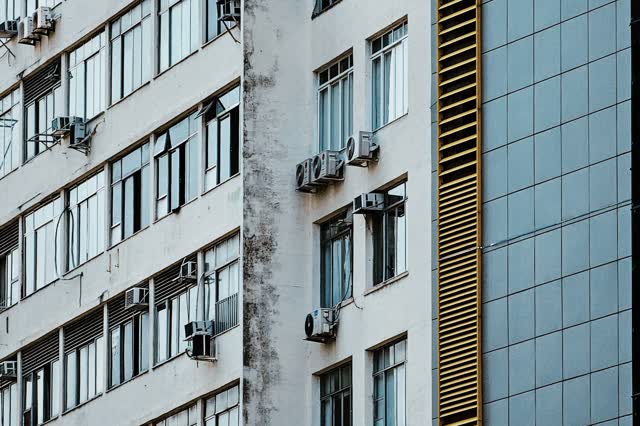
Covers: Household refrigerators/freezers, window and portable AC, and awareness of residential HVAC refrigerants
A refrigerator moves heat out of the cabinet using a sealed loop of refrigerant. Appliance techs diagnose around that loop every day (fans, defrost, controls, airflow) but opening it is regulated. This chapter explains the loop conceptually, the refrigerants you will meet and what EPA Section 608 allows. It contains no sealed-system procedures.
Safety first
- BLOCKED: no recovery, charging, brazing, leak repair or compressor replacement without EPA 608 certification and proper equipment; refer
- Flammable refrigerants (R-600a, R-290, A2L): no flames or sparks near the sealed system
- Venting refrigerant is illegal
How it works
The compressor pumps refrigerant vapor to high pressure and temperature. In the condenser it rejects heat to the room and condenses to liquid. A metering device (a capillary tube in most household units) drops the pressure, and in the evaporator the refrigerant boils at low temperature, absorbing heat from the cabinet. The vapor returns to the compressor and the loop repeats.
Most 'not cooling' calls are not sealed-system failures: dirty condenser coils, a failed condenser or evaporator fan, a frosted evaporator from a defrost fault, a bad start relay or a control/thermistor problem. These are diagnosable and repairable without opening the system.
Older US refrigerators commonly use R-134a. Many newer ones use R-600a (isobutane), a flammable hydrocarbon. EPA raised the allowed hydrocarbon charge in household refrigerators and freezers from 57 g to 150 g in line with UL 60335-2-24. Flammable-refrigerant units carry warning labels; no open flame or sparks near them during any repair.
Residential HVAC is moving from R-410A to lower-GWP A2L refrigerants (mildly flammable), mainly R-454B and R-32, under the AIM Act. Existing R-410A systems cannot be converted to them.
EPA Section 608 certification is required to service, maintain, repair or dispose of equipment in a way that could release refrigerant. Type I covers small appliances (factory-charged, hermetically sealed, 5 lb or less, such as household fridges, window AC, dehumidifiers); Type II covers high-pressure systems (most residential split AC/heat pumps); Type III covers low-pressure systems; Universal covers all. Certification does not expire.
Components & tests
Unlock all 5 components, specs, service mode and teardown
Full library + AI assistant for $34.90, one time.
Get lifetime accessOfficial manufacturer documentation
Always confirm values against the tech sheet for the exact model.
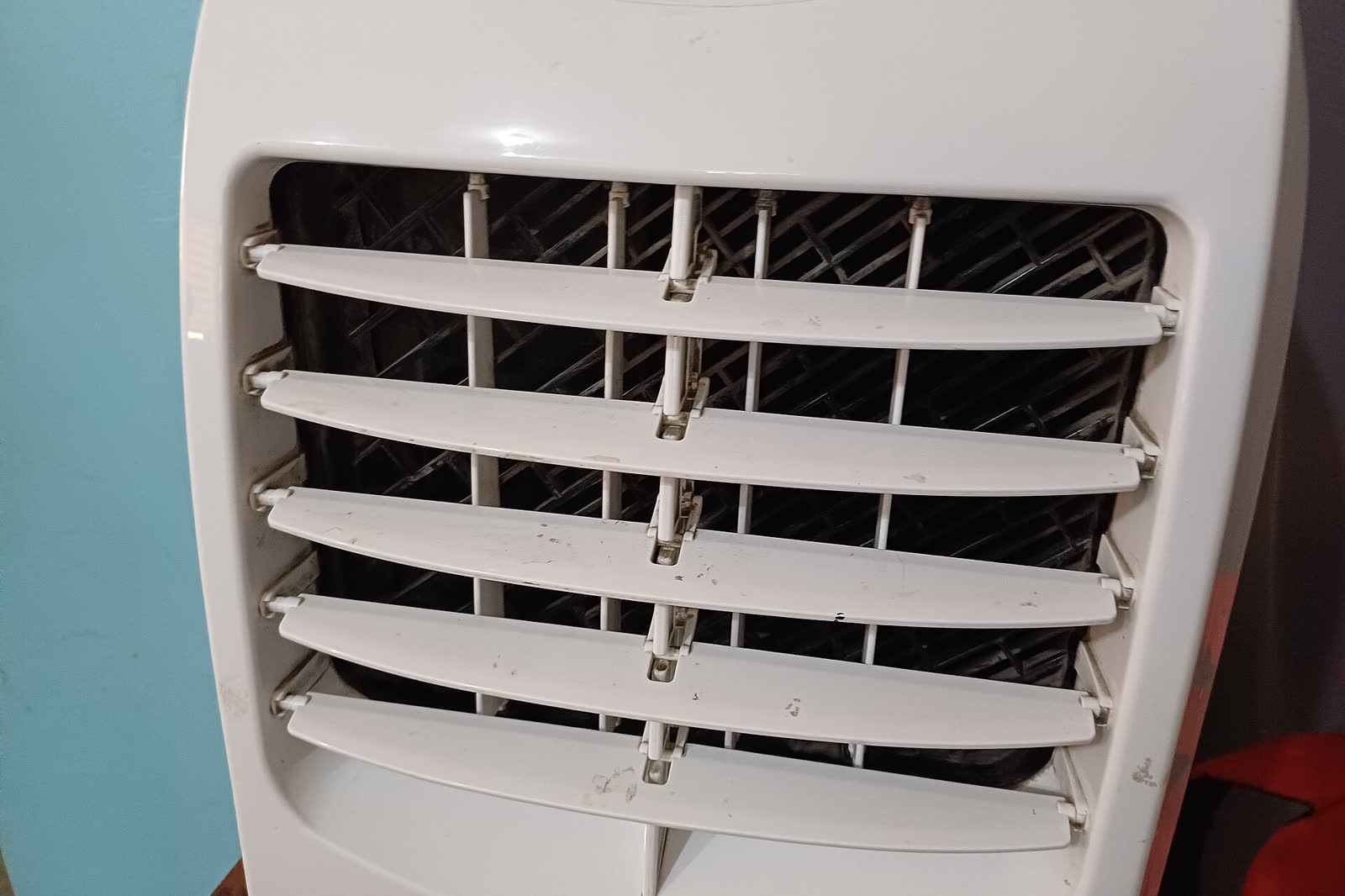
OnCall Tech is a reference tool for trained technicians and can make mistakes. Always disconnect power and confirm with the manufacturer's documentation before you work. © 2026 OnCall Tech. Original content; not a reproduction of any manufacturer document.Generic part photos (not of this brand): Close view of the louvered air outlet of a portable air conditioner by Curpharar, CC BY-SA 4.0