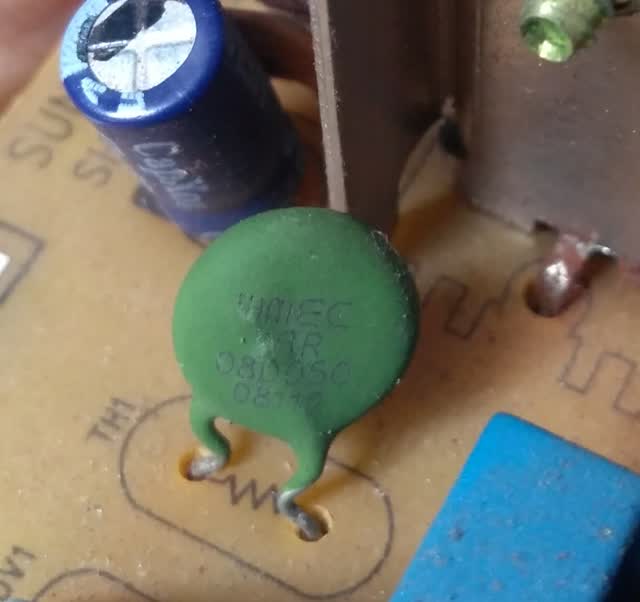
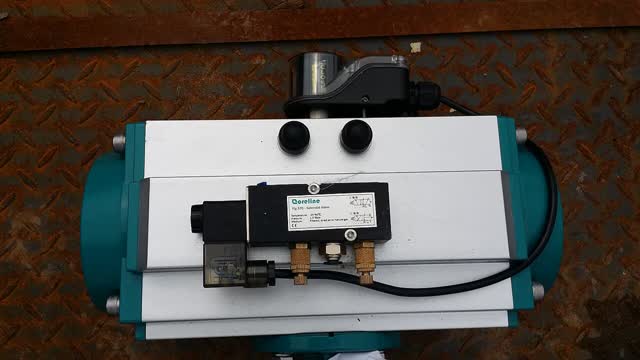
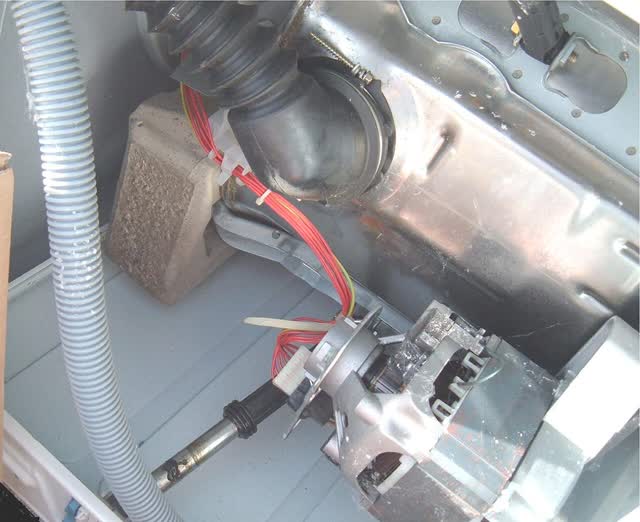
 4 components covered
Field manual · Fundamentals
Electrical safety and lockout for field appliance techs
Covers: De-energizing, verifying and controlling stored energy on residential appliances; OSHA background for employers
Most appliance shocks happen when a tech assumes power is off. The fix is a repeatable routine: unplug or open the breaker, control it so nobody restores it, verify 0 V with a proven meter, and discharge stored energy. This chapter explains that routine and the OSHA rules behind it.
Safety first
- Never trust a panel label; verify at the point of work
- A non-contact tester alone does not prove a circuit is dead
- Live tests are caution steps; do them only when the diagnosis requires it, then de-energize before touching anything
How it works
OSHA's hazardous-energy standard (29 CFR 1910.147) puts responsibility on the employer to have energy-control procedures and to train workers, including the rule that locked or tagged equipment is never restarted by someone else.
For cord-and-plug appliances, unplugging and keeping the plug under your own exclusive control is the normal way to isolate. For hard-wired appliances (many ranges, dishwashers, disposers, water heaters), open the breaker and lock or tag it so nobody turns it back on.
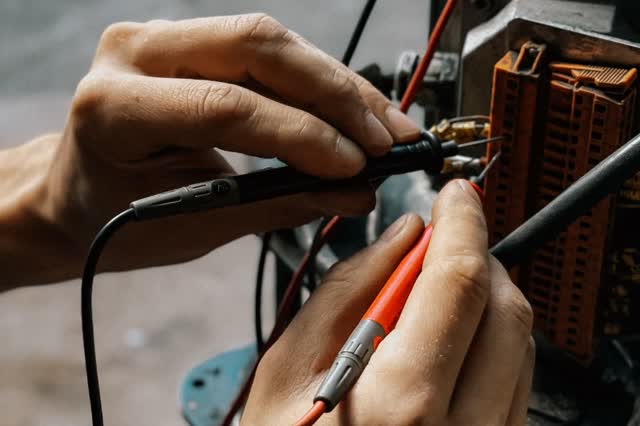
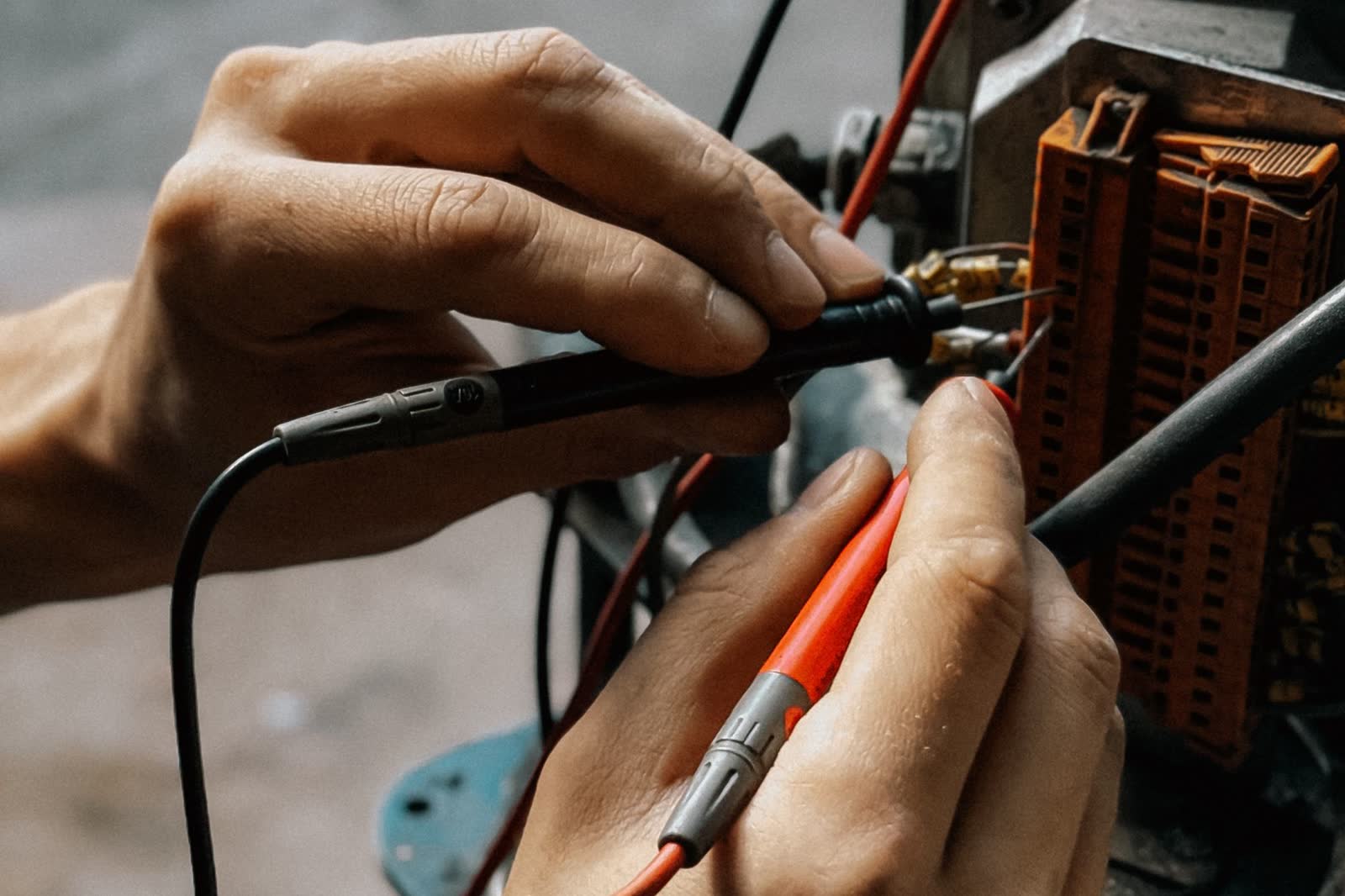
OSHA's electrical work-practice rule (29 CFR 1910.333) requires that a qualified person verify de-energization with test equipment, and that the test detect induced or backfed voltage. Above 600 V the tester must be checked immediately before and after; many employers apply the same live-dead-live habit at every voltage.
Stored energy remains after power is removed: run and start capacitors, microwave high-voltage capacitors, control-board bulk capacitors, springs, hot water and hot surfaces. Each needs its own control step.
Components & tests
Unlock all 4 components, specs, service mode and teardown
Full library + AI assistant for $34.90, one time.
Get lifetime accessOfficial manufacturer documentation
Always confirm values against the tech sheet for the exact model.
OnCall Tech is a reference tool for trained technicians and can make mistakes. Always disconnect power and confirm with the manufacturer's documentation before you work. © 2026 OnCall Tech. Original content; not a reproduction of any manufacturer document.Generic part photos (not of this brand): Hands holding multimeter probes on motor wiring terminals by Bulat843, Pexels License