Repair guides
Pick a type, an appliance or a brand. Every guide lists the tools, the safety call-outs, the steps and the reading you should expect.
Diagnostic · 374
Symptom → most likely cause, step by step
Component tests · 69
How to test a specific part, with expected readings
Installation · 33
Install, replace and hook up appliances correctly
Fundamentals · 24
Core skills every appliance tech uses
Appliance
Brand-specific guides
15 guides · Sump & Well Pumps
Diagnostic · 15
 Guide · Sump / Well Pump
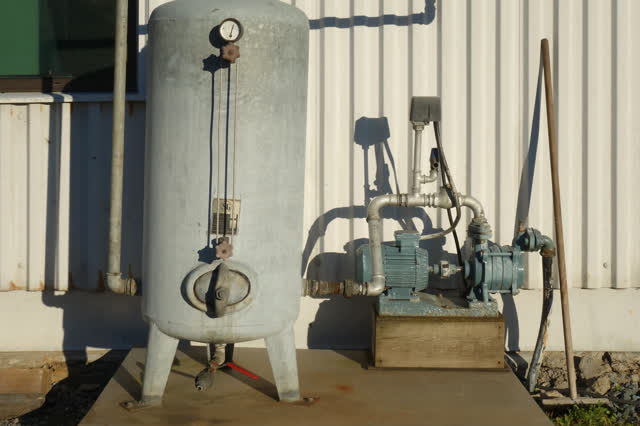
Air spitting or sputtering from faucets on a well system
Air in a well system usually enters because the pump is drawing down the well (low water level) or because a leak or failed check valve lets the line drain back and suck air in when the pump stops. A failed pressure-tank bladder can also send air into the lines.
 Guide · Sump / Well Pump
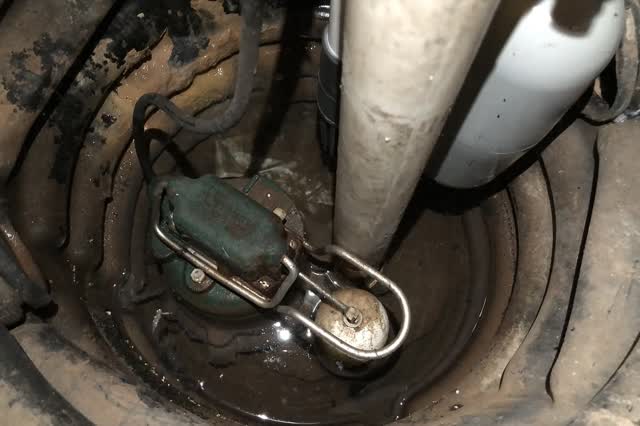
Battery backup sump pump alarm
Backup controllers alarm for four main reasons: no AC power, low or failed battery, blown fuse, or the backup pump had to run. A backup pump run means the primary pump needs attention now.
Guide · Sump / Well PumpCheck valve bang, water hammer and noisy sump pump
A bang right after shutdown is the check valve slamming as the water column falls back. Rattles and vibration come from loose pipe, debris or a damaged impeller.
Guide · Sump / Well PumpNo water from the well
Check what you can safely see above ground: breaker, pressure switch, sensing tube, low-pressure cutoff and the drive's fault display. If those are good, the problem is down the well (pump, motor, cable, water level) and needs a licensed well contractor to pull the pump.
Guide · Sump / Well PumpSewage / ejector pump high-water alarm
Sewage basins are sealed and carry sewer gas and pathogens. Most alarms are a float stuck by grease or wipes, a tripped pump, or a blocked discharge/check valve. Keep work to non-invasive checks unless trained and equipped.
Guide · Sump / Well PumpSewer or musty smell from the sump pit
A clean sump pit should not smell like sewage. Most odors come from a pit that has dried out and no longer seals the drain tile lines, stagnant water, organic buildup, or nearby plumbing traps that have dried or been siphoned. A strong, persistent sewage smell can mean a leaking sewer line near the pit.
Guide · Sump / Well PumpSump pump keeps cycling when it has not rained
The most common cause is water returning from the discharge pipe through a failed or missing check valve, so the pump moves the same water again and again. Other causes are a small basin, a float set too close, a high water table or a leak feeding the pit.
Guide · Sump / Well PumpSump pump runs but does not pump water
Most cases are an air lock, a check valve that is backwards or stuck, a blocked intake or impeller, or a frozen or blocked discharge. Work from the discharge back to the pump.
Guide · Sump / Well PumpSump pump runs constantly
Either water is really coming in that fast, or the float is stuck on. A pump that runs dry will overheat, so this is urgent.
 Guide · Sump / Well Pump
Sump pump trips the GFCI or breaker
A GFCI that trips with a sump pump is usually detecting real current leakage from a pump motor taking on water, a damaged cord or splice, or another load on the same circuit. Isolate the pump from the circuit before blaming the GFCI, and never bypass the protection on a pump in water.
Guide · Sump / Well PumpSump pump won't turn on (float or power)
Prove power, then prove the pump by bypassing the float, then fix the float. Most residential pumps with a piggyback plug make this a two-minute test.
Guide · Sump / Well PumpWell pump runs nonstop and never reaches cut-out pressure
The pump cannot build enough pressure to open the pressure switch, either because water is escaping (leak, running fixture, failed check valve), the pump is worn or has lost prime, the well cannot keep up, or the cut-out is set above what the pump can make. Running dry can ruin the pump, so act quickly.
Guide · Sump / Well PumpWell pump short cycling (waterlogged tank / pressure switch)
Short cycling is usually a pressure tank that has lost its air charge (waterlogged) or a precharge set wrong for the switch. It wears out the pump motor and pressure switch quickly.
Guide · Sump / Well PumpWell pump trips its breaker
Breaker trips point to a short or overload: damaged drop cable in the well, a seized or failing motor, bad start components in the control box (3-wire submersibles), a pressure switch with burnt contacts, or a frozen line that stalls the pump. Pulling the pump is contractor work, but the topside checks narrow it down.
Guide · Sump / Well PumpWell system pressure slowly getting weaker
A slow decline is most often a filter or treatment unit clogging up between the tank and the house. Next suspects are the pressure switch settings or a clogged switch port, the tank air charge, and finally a worn pump or falling water level.