 13 components covered
Field manual · Dehumidifier
Recall reference: Dehumidifiers & portable/window AC (CPSC 2015–2026)
Covers: The most significant CPSC dehumidifier, portable AC, window AC, PTAC and through-the-wall unit recalls announced 2015–2026. Dehumidifier recalls span dozens of store brands: always check by model and date code.
Dehumidifiers are one of the most-recalled appliance types: several million units under dozens of brand names were recalled for overheating and fire. A tech should never repair a recalled dehumidifier; most remedies are a refund, so the unit should be unplugged and retired. Read the model and date code from the nameplate (dehumidifiers: back or side; window and portable AC: side or front label; PTACs: behind the front cover), then search cpsc.gov/Recalls, SaferProducts.gov and the maker's lookup. Sealed-system work on any of these units stays with an EPA 608-certified technician.
Safety first
- Unplug a suspect dehumidifier or AC before handling it; several of these failed with fire
- Refrigerant circuit work is EPA 608 only; recalls that involve compressors are handled by the maker's technicians
- Never tell a customer a recall is still open or closed without checking the current notice
How it works
A recall is a corrective action the manufacturer announces, usually jointly with the U.S. Consumer Product Safety Commission (CPSC), when a product has a defect that can hurt someone. The fix (repair, replacement part, replacement unit or refund) is paid for by the manufacturer. A recall does not expire just because the warranty did, but programs can change over time, and a few end when a company closes, so always read the current notice.
Affected units are defined by model number, and often by a serial range or a date code. The CPSC notice says where the rating label is and which numbers are included. Copy the full model and serial from the label (photograph it), then compare against the notice or enter them in the maker's recall lookup. Many recalls cover only part of a model's production, so a model match alone is not proof; the serial or date code decides. When the notice lists dozens of models, use the maker's lookup instead of reading the list by eye.
If the unit is included, stop and advise. Tell the customer what the hazard is, what the notice says to do in the meantime (unplug, shut off gas, stop using one function), and how to register: the recall phone line or web page. Do not repair or replace the recalled component outside the program, and do not bill for work the manufacturer will do for free. Note the recall number, model and serial on your ticket. If the call was for a different, unrelated fault, explain the recall first and let the customer decide whether to wait for the recall visit.
Components & tests
Unlock all 13 components, specs, service mode and teardown
Full library + AI assistant for $34.90, one time.
Get lifetime accessOfficial manufacturer documentation
Always confirm values against the tech sheet for the exact model.
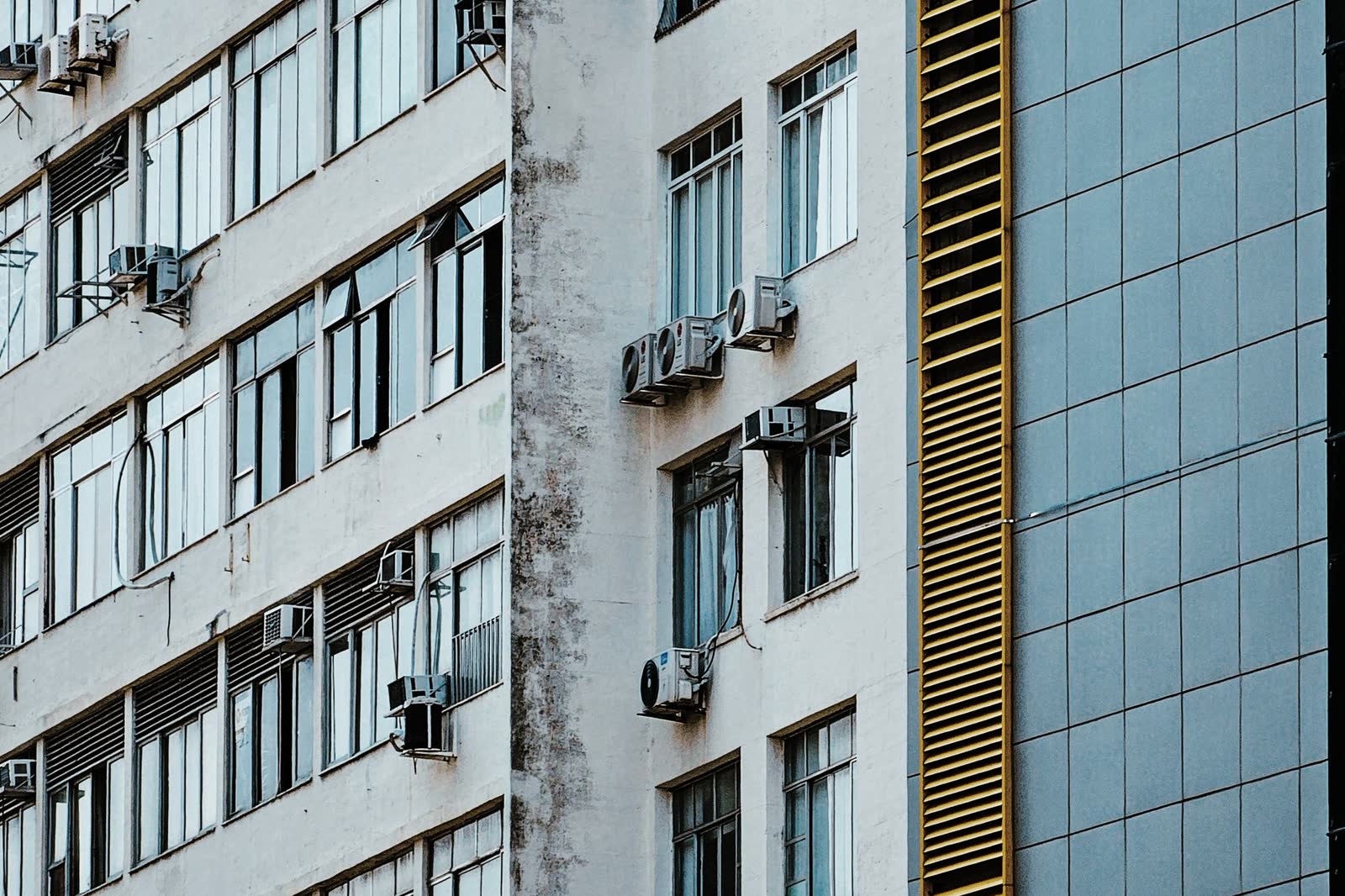
OnCall Tech is a reference tool for trained technicians and can make mistakes. Always disconnect power and confirm with the manufacturer's documentation before you work. © 2026 OnCall Tech. Original content; not a reproduction of any manufacturer document.Generic part photos (not of this brand): Building facade with window and wall air conditioner units by Willian Santos, Pexels License