 7 components covered
Field manual · Washer
GE top-load and front-load washers: field service manual
Covers: GE electronic top-loads (agitator and impeller, with mode shifter) and GE front-loads, roughly 2017 onward; older mechanical GE top-loads only in passing.
Newer GE top-loads use a motor under the tub and a mode shifter that slides a coupler between agitate and spin, with a field service mode entered from the knob and Start button. GE front-loads use an electronic control with numbered service tests (t-codes) and a tech sheet behind the kick panel. Both platforms keep stored fault codes.
Safety first
- Unplug before opening cabinet.
- Service tests run motors and valves; keep hands clear.
How it works
Top-load: lid switch/lock confirms closed; the control may sense load before fill; valves fill to a level read from the pressure sensor.
Top-load shift: the mode shifter moves the coupler between agitate and spin and reports its position. If the control does not see the transition in time, or the reported position does not match the request, it logs a shifter fault.
Top-load spin: the drain pump runs, the basket ramps while the control checks for imbalance (UE).
Front-load: door locks, fill via dispenser, tumble wash with optional heater, drain, then staged spin ramps with imbalance checks.
Components & tests
Unlock all 7 components, specs, service mode and teardown
Full library + AI assistant for $34.90, one time.
Get lifetime accessOfficial manufacturer documentation
Always confirm values against the tech sheet for the exact model.
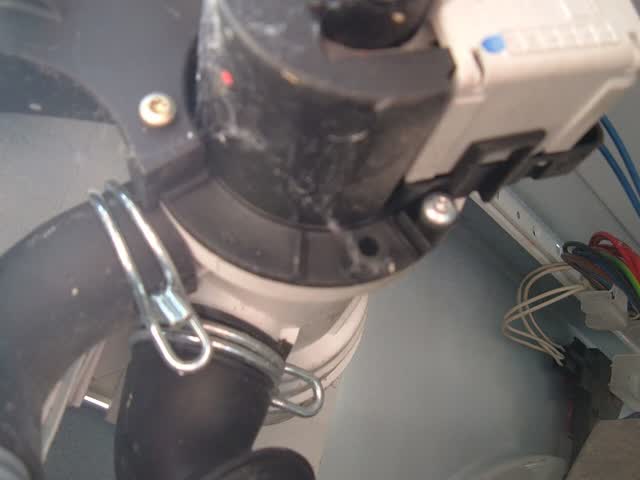
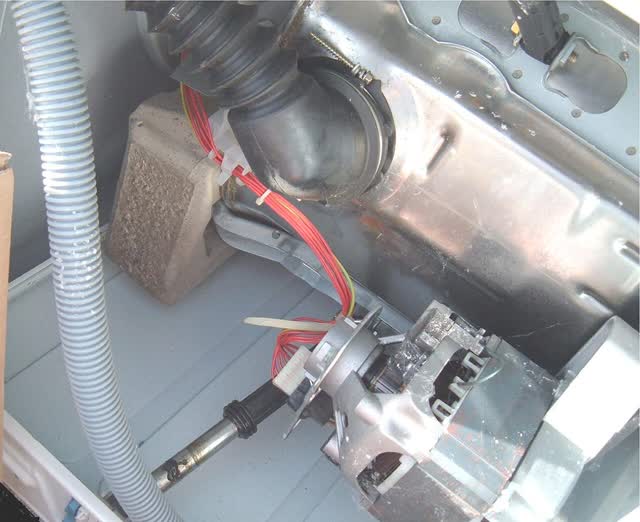
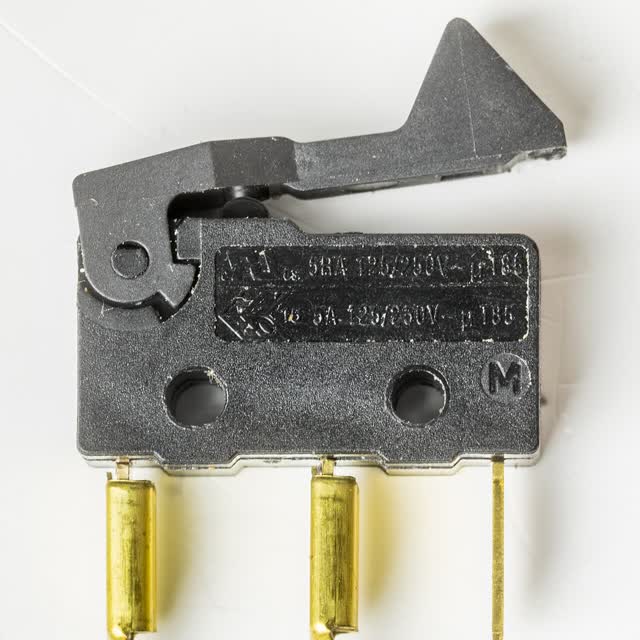
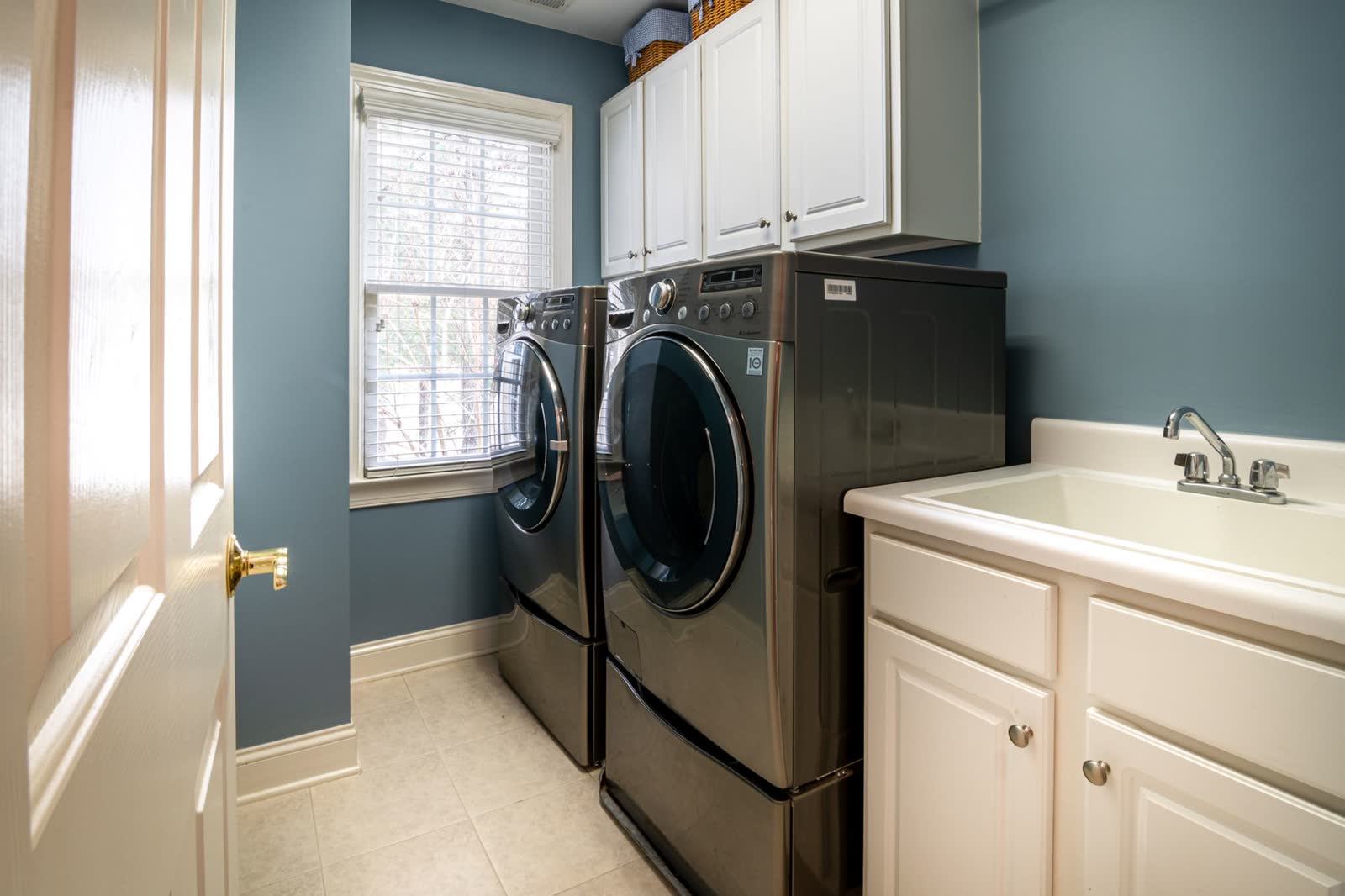
OnCall Tech is a reference tool for trained technicians and can make mistakes. Always disconnect power and confirm with the manufacturer's documentation before you work. © 2026 OnCall Tech. Original content; not a reproduction of any manufacturer document.Generic part photos (not of this brand): Front-load washer and dryer pair in a home laundry room by Curtis Adams, Pexels License