 10 components covered
Field manual · Dishwasher
Fisher & Paykel DishDrawer: field service manual
Covers: Single (DS/DD24S...) and double (DD24D..., DD24DC...) DishDrawer units, US 24 in and 36 in widths, generations with model numbers ending 5, 6, 7 and later 9-series. Older classic units (DD603/DS603 era) report faults with flashing program lights; later units show F- and U-codes on a display.
Each drawer is a complete, independent dishwasher: its own tub, wash motor, drain pump, heater, controls and fault memory. There is no door. A motorised lid drops down from the cabinet roof to seal the tub when a cycle starts and lifts when it ends. Water hoses and the wiring harness travel with the drawer on a folding support at the back, which is a recurring wear point. Typical calls: F1 (water in base / flood), F2 (wash motor rotor), lid not sealing, and leaks from cracked drain hoses behind the drawer.
Safety first
- Switch off at the wall before removing the rack, filter plate or rotor, or touching the lid mechanism.
- Wear cut-resistant gloves when clearing glass from the rotor cavity.
- If water is on the floor, isolate power and water before anything else.
- Lid motors are powered and can move. Keep fingers clear of the lid edge during any powered test.
How it works
Start: the user closes the drawer and presses Start. The control drives the lid motors (one each side) to pull the lid down onto the tub rim. If the lid cannot seal (broken link support caught under it, worn lid motor, tall item in the rack), water can escape during wash and set the flood code.
Fill: water enters through a dual fill valve at the back of the cabinet (one solenoid per drawer on double units) and travels along the drawer's fill hose. On some generations the fill hose is routed to the detergent dispenser at the front of the drawer.
Wash: a direct-drive wash motor sits in the bottom of the tub. The rotor/impeller sits inside the tub under the filter plate and the stator is below. Debris or glass in the rotor cavity stops it and sets F2.
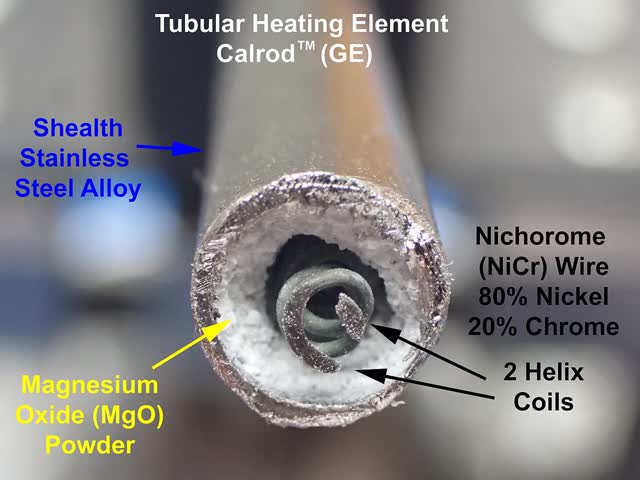
Heat: the heater is part of the tub base. Service literature for the classic DD603 era describes an enamelled steel plate with a thick-film element printed on its dry side. A temperature sensor monitors wash water. Inlet water above about 65 °C / 149 °F can trigger the temperature code (F3), and Fisher & Paykel suggests a tempering valve in that case.
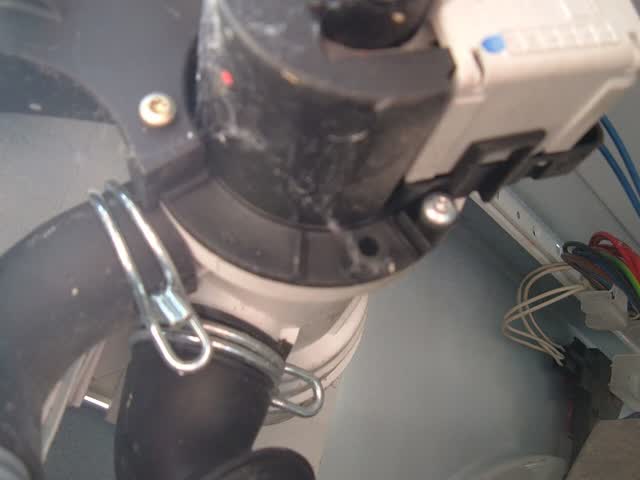
Drain: a drain pump pushes water out through the drain hose. The hose has a flap (non-return) valve at its connection. Replacement hoses may be supplied without it, so move the valve across from the old hose.
Flood protection: a sensor on the flood/mains filter board in the base detects water. On some generations this board also drives the lid motors, so a board fault can show up as a lid problem. Scale build-up around the flood sensor has been reported to cause nuisance flood codes.
Two drawers, two controls: on double units each drawer keeps its own codes. A fault in one drawer can make the other display a 'fault in other drawer' code (U4), so always read both drawers before diagnosing.
Components & tests
Unlock all 10 components, specs, service mode and teardown
Full library + AI assistant for $34.90, one time.
Get lifetime accessOnCall Tech is a reference tool for trained technicians and can make mistakes. Always disconnect power and confirm with the manufacturer's documentation before you work. © 2026 OnCall Tech. Original content; not a reproduction of any manufacturer document.Generic part photos (not of this brand): Built-in dishwasher with the door open and racks pulled out by Castorly Stock, Pexels License