Repair guides
Pick a type, an appliance or a brand. Every guide lists the tools, the safety call-outs, the steps and the reading you should expect.
Diagnostic · 374
Symptom → most likely cause, step by step
Component tests · 69
How to test a specific part, with expected readings
Installation · 33
Install, replace and hook up appliances correctly
Fundamentals · 24
Core skills every appliance tech uses
Appliance
Brand-specific guides
4 guides · Ranges & Ovens
Installation · 4
 Install · Range / Oven
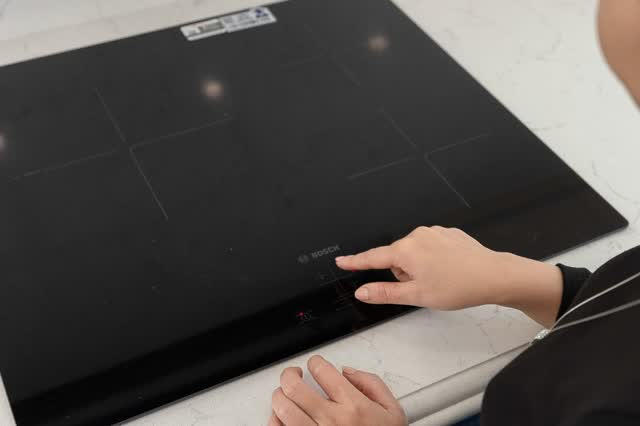
Cooktop drop-in install (electric or induction; gas referred)
Drop-in cooktops depend on the cut-out size, clearances to cabinets above and the correct hardwired connection. Check the new cut-out dimensions before buying: a cut-out that is too big cannot be fixed easily in stone.
 Install · Range / Oven
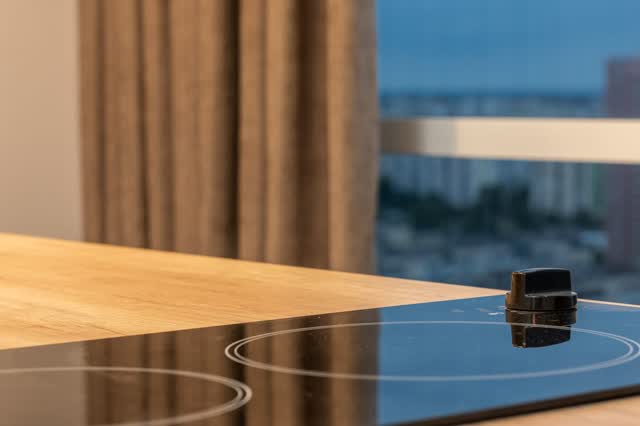
Electric range cord: 3-wire vs 4-wire connection
The cord must match the receptacle: older homes may have a 3-prong 240 V receptacle (neutral and ground shared) while newer installs use 4-prong (separate neutral and ground). The range terminal block has a neutral-to-frame link that stays for 3-wire and is removed (with the green wire to the frame) for 4-wire. Follow the model diagram exactly.
 Install · Range / Oven
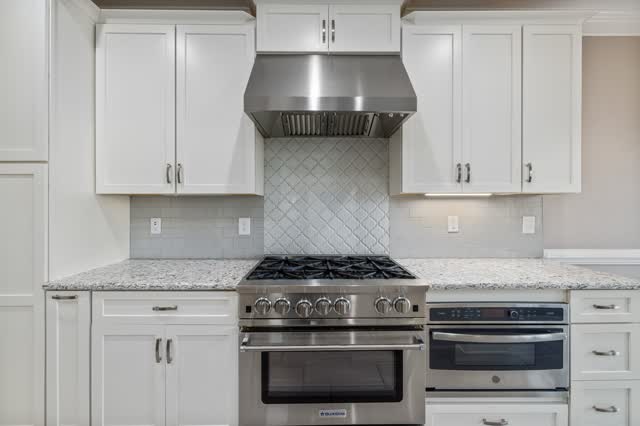
Range install and anti-tip bracket
Every freestanding and slide-in range must be secured with the anti-tip bracket that ships with it, fixed to the wall or floor and engaged by the rear foot. Electric ranges connect with a cord to a 240 V receptacle; gas connections are for a licensed gas installer.
 Install · Range / Oven
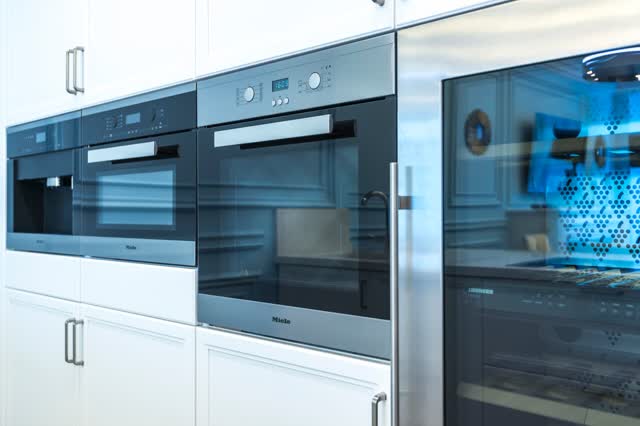
Wall oven install: cut-out, support platform and conduit connection
Wall ovens are heavy and hardwired. The cabinet needs the right cut-out and a support platform rated for the oven weight, and the flexible conduit connects to an approved junction box with a strain relief clamp. Manufacturers do not allow a plug and receptacle on these products.