 9 components covered
Field manual · Fundamentals
Wire gauge, breaker size and cord/plug matching for appliance circuits
Covers: Copper branch circuits and appliance cords typical of US dwellings (14-6 AWG, 15-50 A); summary of NEC small-conductor limits and NEMA receptacle families; not a substitute for the code tables or an electrician
Techs are not usually the ones pulling wire, but they constantly see mismatches: a 50 A cord on a 30 A dryer, a 14 AWG run on a 20 A breaker, aluminum branch wiring on a receptacle that is cooking. This reference lets you recognize a mismatch quickly, document it and refer it.
Safety first
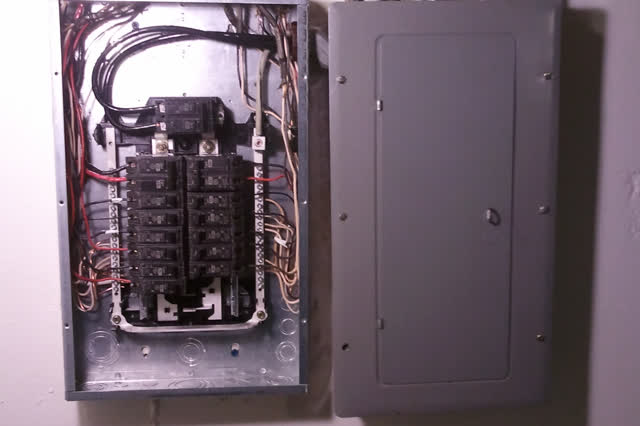
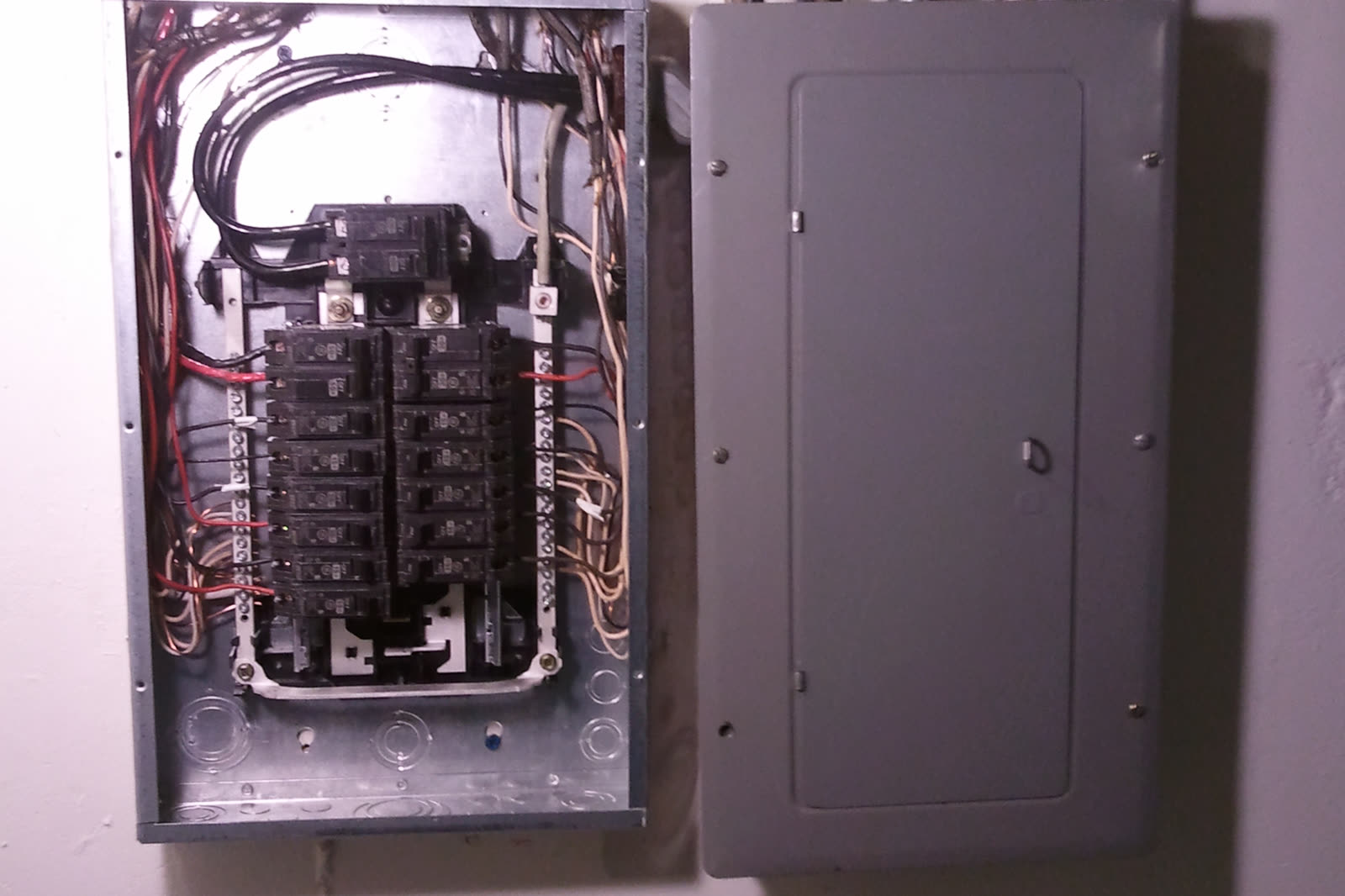
- Do not open the panel dead-front; read breaker labels from outside
- Wiring changes, breaker changes and aluminum repairs are electrician work; refer
- This is a summary in our own words; check the NEC tables your jurisdiction adopted and the AHJ
How it works
The breaker protects the wire, not the appliance. The NEC caps overcurrent protection for small copper conductors: 15 A for 14 AWG, 20 A for 12 AWG and 30 A for 10 AWG (lower for aluminum), except where the code specifically allows otherwise (motor and some equipment rules).
Larger appliance circuits follow the ampacity tables: 40 A circuits commonly use 8 AWG copper and 50 A circuits 6 AWG copper. Range cords are sold in 40 A and 50 A versions that reflect the conductor size; both may use the same 14-50 style cap, so read the cord rating, not just the plug.
NEMA receptacle families tell you the wiring: 5-15/5-20 are 120 V with ground; 10-30 and 10-50 are 3-wire 125/250 V with no separate ground (older dryer/range style, existing installs only); 14-30 and 14-50 are 4-wire 125/250 V with ground. On a 14-30 the neutral slot is L-shaped; on a 14-50 it is straight.
The cord must match the receptacle, the appliance terminal block and the circuit. A dryer cord for a 30 A circuit is typically four No. 10 copper conductors (SRD/SRDT type) on a 14-30 plug; the manufacturer sets the minimum length and type.
Aluminum branch-circuit wiring (common in some homes built roughly 1965-1973) has a documented fire history at connections. CPSC recommends specific repair methods; standard devices are not the fix. Treat any warm, discolored aluminum connection as an electrician referral.
Components & tests
Unlock all 9 components, specs, service mode and teardown
Full library + AI assistant for $34.90, one time.
Get lifetime accessOfficial manufacturer documentation
Always confirm values against the tech sheet for the exact model.
- CPSC recalls search
- SaferProducts.gov recall and incident search
- Whirlpool Corporation recall information
- GE Appliances recalls
- Frigidaire recall information
- Water heater and boiler recall lookup (A. O. Smith / Lochinvar)
- EPA Section 608 technician certification types
- OSHA control of hazardous energy (lockout/tagout)
- CPSC carbon monoxide information center
OnCall Tech is a reference tool for trained technicians and can make mistakes. Always disconnect power and confirm with the manufacturer's documentation before you work. © 2026 OnCall Tech. Original content; not a reproduction of any manufacturer document.Generic part photos (not of this brand): Main electrical panel beside a subpanel with its cover removed by Gvolk, CC BY-SA 3.0