 7 components covered
Field manual · Fundamentals
Flammable refrigerants for appliance techs: R-600a, R-290 and A2L (awareness only, no procedures)
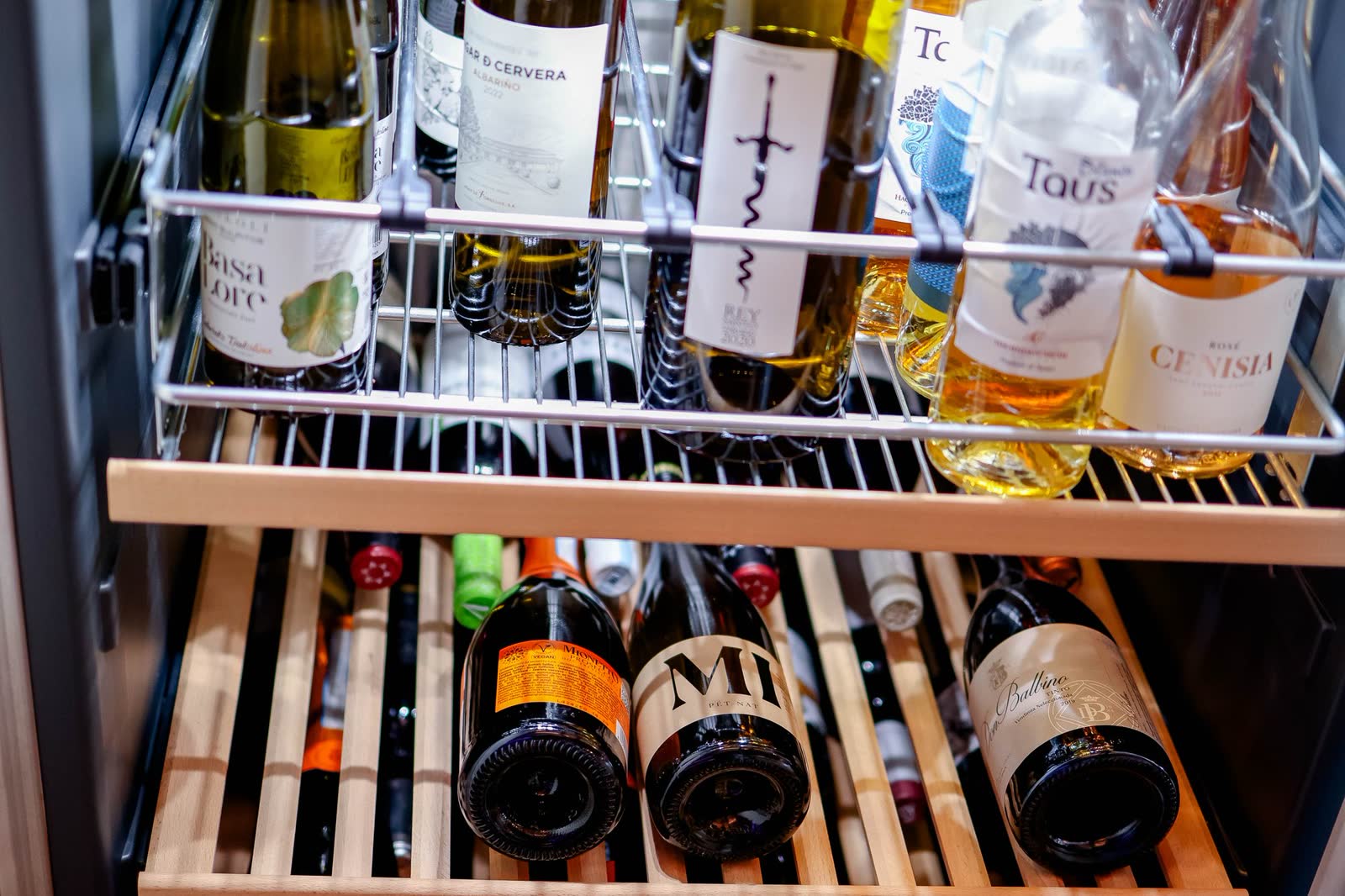
Covers: Hydrocarbon refrigerants (R-600a isobutane, R-290 propane) in household refrigerators, freezers, wine coolers, ice makers and some window/portable ACs, and mildly flammable A2L refrigerants (R-32, R-454B) in new residential HVAC and mini-splits. Awareness for techs doing non-sealed-system repairs. Any sealed-system work is blocked and referred to an EPA 608-certified technician trained for flammable refrigerants.
More and more of the units you open contain a flammable refrigerant. You will still replace fans, boards, defrost parts and sensors on them, but the rules change: know what is in the unit, keep ignition sources away from any leak, use exact replacement electrical parts and never open the refrigerant circuit. New A2L HVAC systems also have refrigerant leak sensors that can shut down cooling and run the blower, which creates a new kind of service call.
Safety first
- No open flames, smoking or spark-producing tools near a suspected leak; ventilate the room.
- If you smell gas or hear a hiss from the sealed system, do not operate switches at the unit; unplug from a point away from the leak if safe, ventilate, and refer.
- Opening the refrigerant circuit (recovery, brazing, charging, compressor or valve work) is EPA 608 work requiring training for flammable refrigerants: blocked, refer.
- Never bypass or unplug an A2L leak sensor to make a system run.
How it works
ASHRAE 34 gives each refrigerant a letter for toxicity (A lower, B higher) and a number for flammability (1 no flame propagation, 2 flammable, 3 highly flammable). Class 2L, written A2L, is a lower-flammability subclass with a slow burning velocity (10 cm/s or less). R-410A and R-134a are A1; R-32 and R-454B are A2L; R-290 and R-600a are A3.
Household refrigerators: EPA's 2011 SNAP rule allowed isobutane in new household refrigerators at up to 57 g per sealed circuit, with permanent warning labels and red-coloured service points. In 2018 EPA adopted UL 60335-2-24 and raised the hydrocarbon limit to 150 g per circuit for new household refrigerators and freezers. Retrofitting an older unit to a hydrocarbon is not allowed.
A fire needs three things at once: a leak large enough to form a flammable mixture, air, and an ignition source. Appliances using hydrocarbons are built with sealed or spark-resistant electrical parts near the refrigerant so a leak inside the cabinet does not meet a spark. Swapping in a non-approved relay, thermostat or start device can break that protection.
A2L HVAC: under UL 60335-2-40, many new systems carry a refrigerant detection system. A sensor near the indoor coil watches for refrigerant; when it detects a leak, or when the sensor fails or is disconnected, the control stops the compressor (and on many systems electric or gas heat) and runs the indoor blower to dilute any leak.
EPA Section 608 governs anyone who opens the refrigerant circuit. Recovery, brazing, charging and compressor work are certified-technician tasks, and flammable refrigerants add their own equipment and ventilation requirements.
Components & tests
Unlock all 7 components, specs, service mode and teardown
Full library + AI assistant + the OnCall Tech app for iPhone & Android. $34.90, one time.
Get lifetime accessOfficial manufacturer documentation
Always confirm values against the tech sheet for the exact model.
- CPSC recalls search
- SaferProducts.gov recall and incident search
- Whirlpool Corporation recall information
- GE Appliances recalls
- Frigidaire recall information
- Water heater and boiler recall lookup (A. O. Smith / Lochinvar)
- EPA Section 608 technician certification types
- OSHA control of hazardous energy (lockout/tagout)
- CPSC carbon monoxide information center
OnCall Tech is a reference tool for trained technicians and can make mistakes. Always disconnect power and confirm with the manufacturer's documentation before you work. © 2026 OnCall Tech. Original content; not a reproduction of any manufacturer document.Generic part photos (not of this brand): Wine bottles resting on slide-out racks inside a wine cooler by Valeriya Boltneva, Pexels License