Repair guides
Pick a type, an appliance or a brand. Every guide lists the tools, the safety call-outs, the steps and the reading you should expect.
Diagnostic · 374
Symptom → most likely cause, step by step
Component tests · 69
How to test a specific part, with expected readings
Installation · 33
Install, replace and hook up appliances correctly
Fundamentals · 24
Core skills every appliance tech uses
Appliance
Brand-specific guides
12 guides · Freezers
Diagnostic · 12
 Guide · Freezer
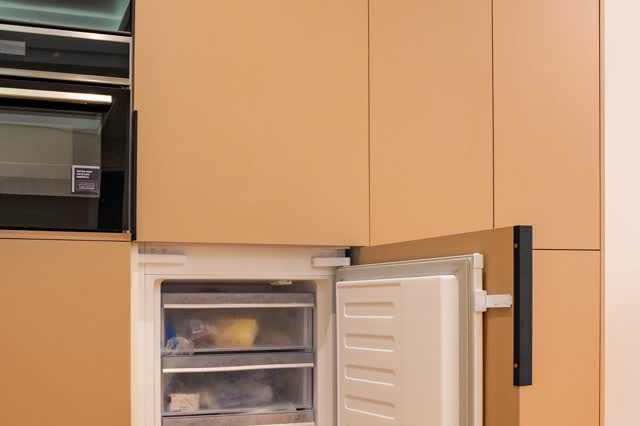
Freezer alarm beeping
Identify which alarm (door, high temperature, power failure), silence it with the reset key, then fix the cause. Disabling alarms is not recommended because they protect food.
 Guide · Freezer
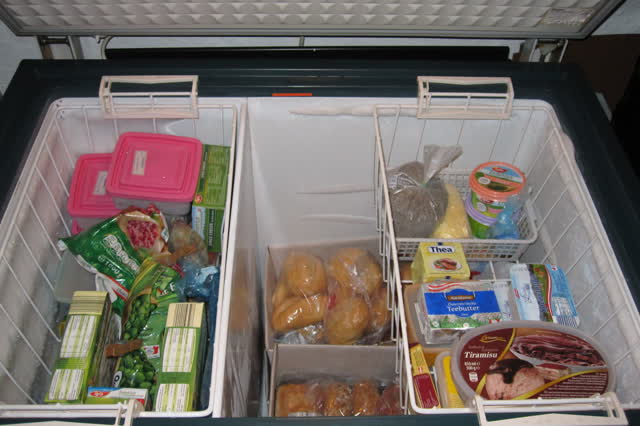
Freezer clicking, compressor not running
Same pattern as fridges: start relay or overload most often, then supply voltage, then compressor. Compressor work is sealed-system: refer.
Guide · FreezerFreezer door hard to open right after closing
Warm air let in cools and contracts, creating a brief vacuum. It is normal on well-sealed units and clears in under a minute. Persistent sticking points to a gasket stuck by ice or a sticky gasket.
Guide · FreezerFreezer frost build-up (gasket, manual defrost chest, frost-free failure)
Most chest and many small upright freezers are manual defrost, so some frost is normal and must be removed when it reaches about 1/4 inch. Fast or patchy frost near the door points to a leaking gasket or heavy door use. On frost-free uprights, frost on the coil behind the panel means the defrost system has failed.
 Guide · Freezer
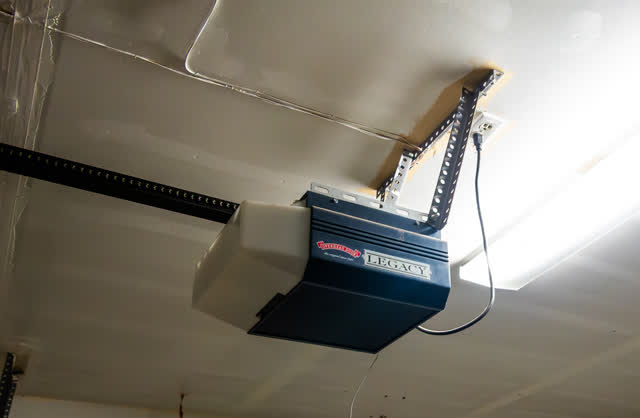
Freezer in a garage: hot or cold ambient problems
Standard freezers are rated for a limited room range (often about 50-55°F up to 110°F). Garage-ready models are rated wider; Danby lists 0°F to 110°F. Outside the rating, expect high-temp alarms, long run times or poor operation.
Guide · FreezerFreezer lid or door not sealing
Chest lids and upright doors fail to seal from torn or hard gaskets, a tilted cabinet, overfilled baskets or ice on the gasket. Fix the seal before chasing cooling parts.
Guide · FreezerFreezer noisy: buzzing, rattling or scraping
Find the source first: condenser fan and coils at the bottom/back, evaporator fan inside (frost-free uprights only), compressor mounts, or the cabinet itself touching something. Many noises are fixed by cleaning, levelling or clearing ice from the fan.
 Guide · Freezer
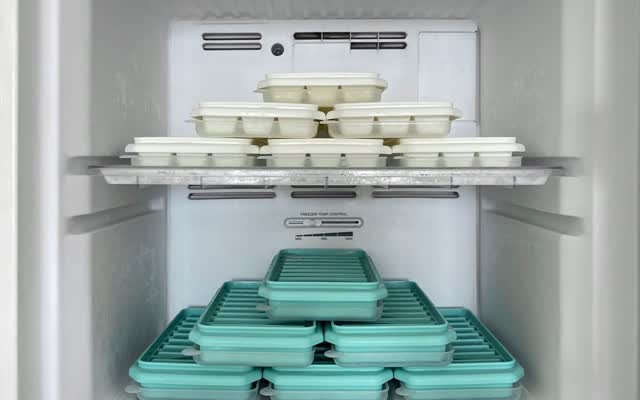
Freezer not freezing (food soft, compressor running or not)
Rule out setting, load and door seal first, then airflow and condenser, then start components. On frost-free uprights, a choked evaporator from a defrost failure is a top cause. If the compressor runs steadily, the condenser is clean and the evaporator is not frosted but the cabinet still won't pull down, it is a sealed-system issue to refer out.
Guide · FreezerFreezer not running (no compressor, or clicking)
Work from power to control to start components. A click-hum-click pattern every few minutes usually means the compressor is not starting: check the start relay/overload. If the relay is good and the compressor still won't start, compressor diagnosis and replacement is sealed-system work to refer out.
Guide · FreezerFreezer runs all the time
Freezers normally run 40-80% of the time at room temperature and more in a warm room. Check load, setting, room temperature, door seal and condenser before suspecting a part.
Guide · FreezerFreezer showing a sensor error code (E1/E2 type)
Most digital freezers flag thermistor faults with E-codes, but numbers differ by brand. Confirm the code meaning in the manual, then test the thermistor and its wire.
 Guide · Freezer
Water under or around a freezer
Usual sources: melt water after a defrost or outage, a loose chest drain plug, sweating in humid rooms, or (on models with an ice maker) the water supply line. Frost-free uprights send defrost water to a drain pan where it evaporates.