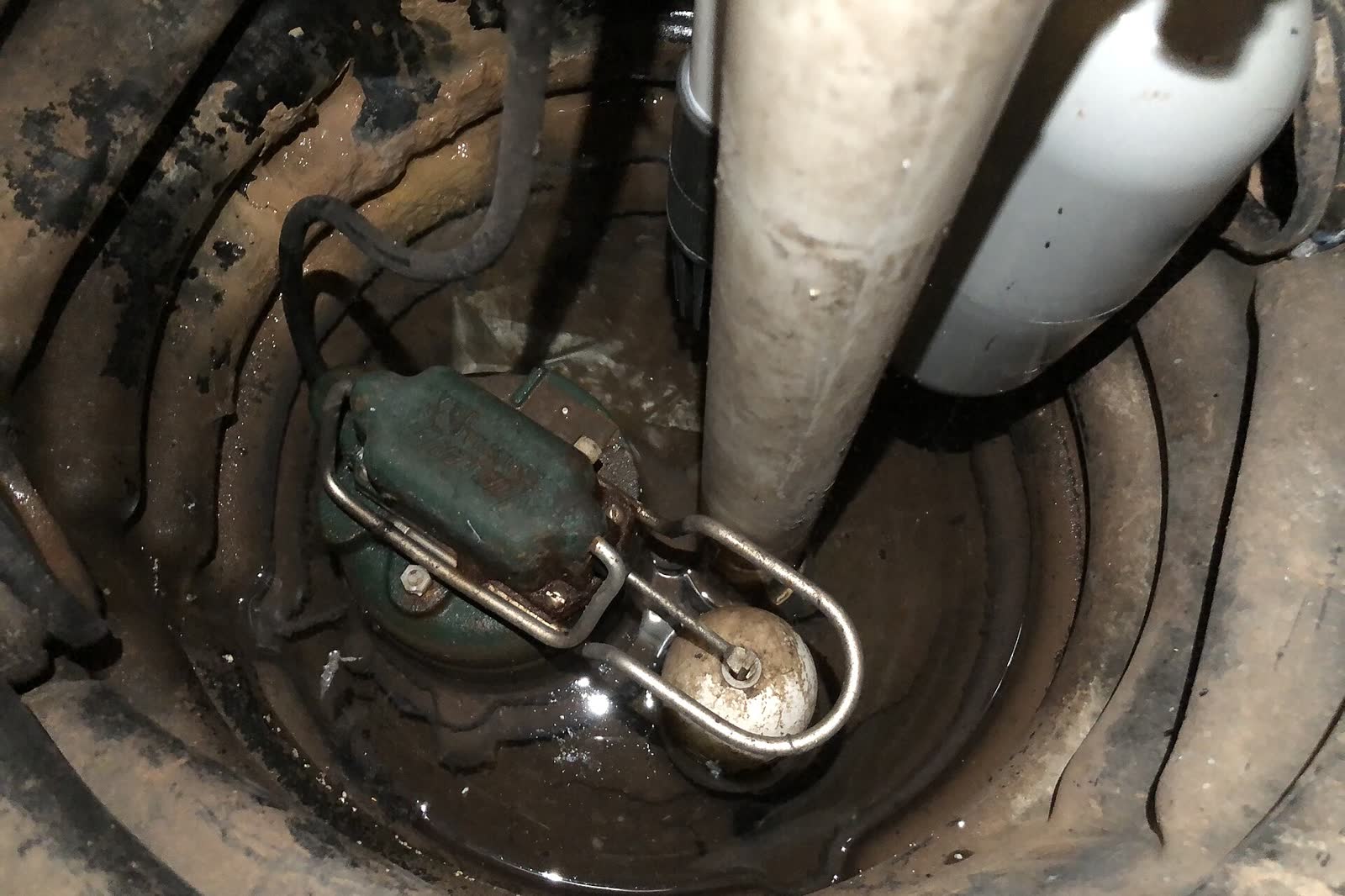
Sump pump float switch types (tethered, vertical, diaphragm, electronic): how each fails and how to check it

The switch decides when the pump runs, and switch problems are the most common sump call. Tethered floats swing on a cord and need the widest pit; they snag on the wall, discharge pipe or cord. Vertical floats ride a rod, fit tighter pits, but have a short on/off range (more cycling) and stick when the rod is fouled. Diaphragm switches sense water pressure and have the smallest footprint. Electronic (solid-state) switches have no moving float but can foul with slime. Match the switch to the pit and keep it free to move.

Cross-checked ~30 min easyBrands: All

Before you start

  • Pump must be on a GFCI-protected outlet; unplug before reaching into the pit.
  • Sump water can carry sewage or chemicals; wear gloves and wash up.

Diagnostic steps

Unlock all 4 steps with expected values

Full library + AI assistant + the OnCall Tech app for iPhone & Android. $34.90, one time.

Get lifetime access

OnCall Tech is a reference tool for trained technicians and can make mistakes. Always disconnect power and confirm with the manufacturer's documentation before you work.
More sump & well pumps guides

Guide · Sump / Well Pump

Sump pump service: pour test, float, check valve, discharge, pit cleaning and backup

Zoeller's instructions for common submersible sump pumps call for clearing debris from the basin and testing the system at least every three months; service companies agree on a quarterly pour test, a twice-yearly check of the check valve and discharge, an annual pit cleaning and a 2-3 year battery change on backups. The core test is simple: add water, watch the float lift, the pump start, the water leave and the pump stop.

7 steps ~30 mineasy
Guide · Sump / Well Pump

Well pressure tank annual check: precharge, switch settings and cycle time

A bladder or diaphragm well tank holds an air charge that should sit about 2 psi below the pressure switch cut-in (for example 28 psi on a 30/50 switch, 38 psi on a 40/60). The charge can only be read with the pump off and the system drained to zero water pressure. A yearly check catches a slowly leaking charge before it short-cycles the pump. Water from the air valve means a failed bladder.

6 steps ~30 minmoderate
Guide · Sump / Well Pump

Water in the basement but the sump pit is dry

If the pit stays dry while the floor gets wet, the water is not reaching the drain system that feeds the pit; the pump is not the problem. Usual causes are surface water (grading that slopes toward the house, short or clogged downspouts, overflowing gutters), a pump discharge that dumps next to the foundation, or a basement with no perimeter drain tile tied to the pit. Also rule out condensation and plumbing leaks.

6 steps ~45 mineasy
Sump pump float switch types (tethered, vertical, diaphragm, electronic): how each fails and how to check it · OnCall Tech