 4 components covered
Field manual · Sump / Well Pump
Residential sump pump systems: field service manual
Covers: 120 V residential submersible and pedestal sump pumps, float switches, check valves, discharge piping and DC battery backup systems
A sump system collects groundwater in a pit and pumps it outside. The pump, float switch and check valve fail most often, and electrical supply problems are the leading cause of failures. A battery backup adds a second DC pump with its own float and an alarm controller.
Safety first
- Unplug before reaching into the pit
- Batteries can vent hydrogen; avoid sparks
- Laundry water: use only floats and pumps rated for it
How it works
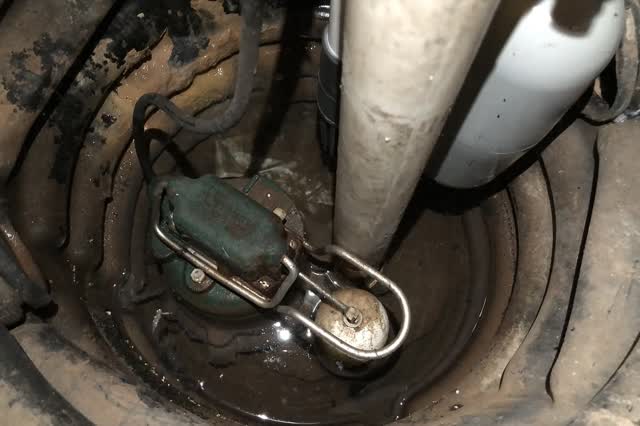
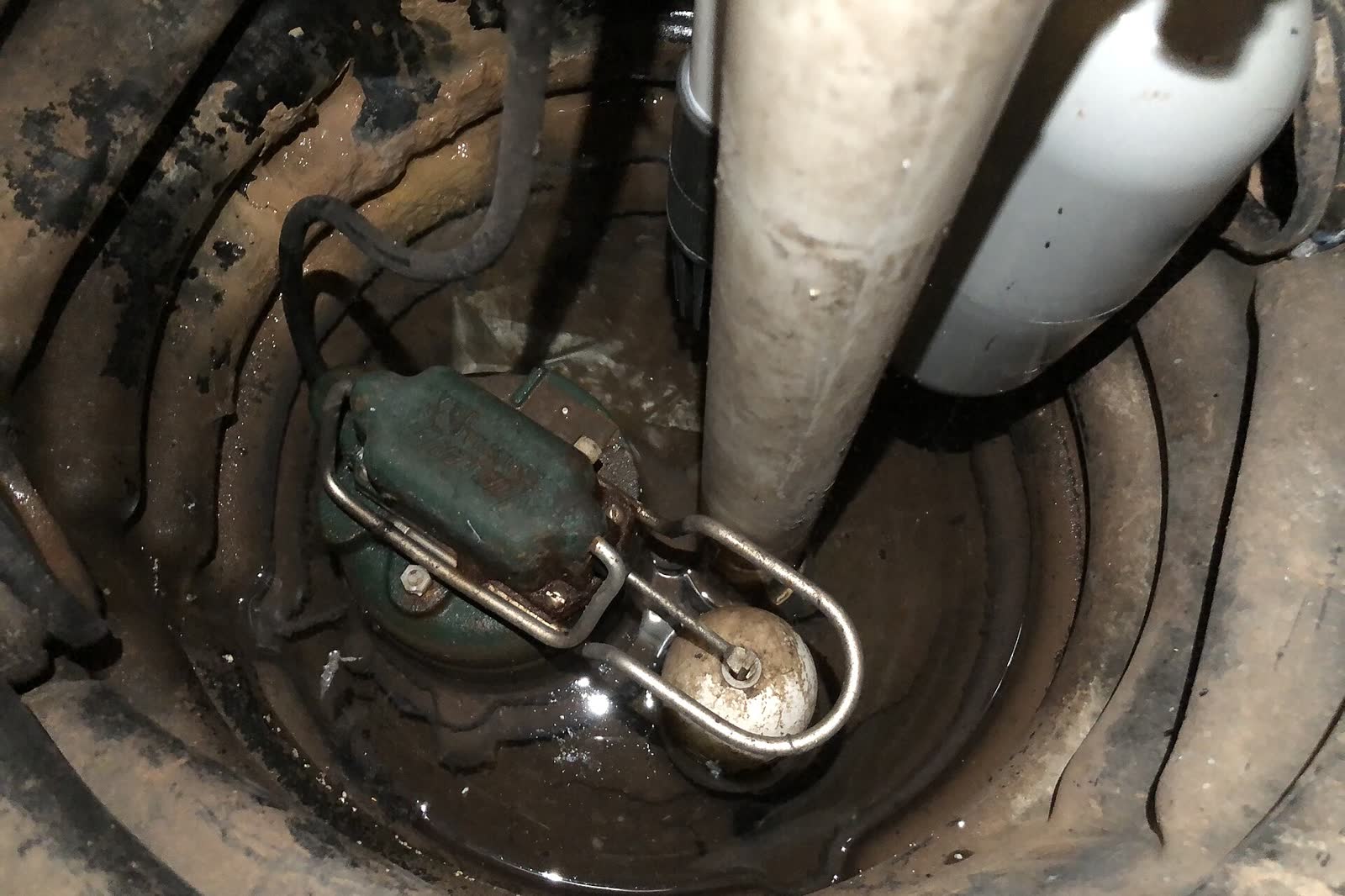
Water enters the pit from drain tile. When it lifts the float to the on point, the switch powers the pump; when the level falls to the off point, the pump stops.
Submersible pumps sit in the pit and are cooled by the water; pedestal pumps keep the motor on a column above the pit and use a rod-type float.
The check valve stops the water column in the discharge pipe from falling back into the pit. An anti-airlock hole between the pump and check valve lets trapped air escape so the pump can prime.
Battery backups use a 12 V DC pump on a separate float set higher than the primary; the controller charges the battery and sounds alarms for power, battery, fuse and pump-run conditions.
Components & tests
Unlock all 4 components, specs, service mode and teardown
Full library + AI assistant for $34.90, one time.
Get lifetime accessOfficial manufacturer documentation
Always confirm values against the tech sheet for the exact model.
OnCall Tech is a reference tool for trained technicians and can make mistakes. Always disconnect power and confirm with the manufacturer's documentation before you work. © 2026 OnCall Tech. Original content; not a reproduction of any manufacturer document.Generic part photos (not of this brand): Newly installed sump pump sitting in a basement sump pit by Famartin, CC BY-SA 4.0