 10 components covered
Field manual · Microwave
LG LMV2031 / LMV1831 / LMVM2033 over-the-range microwave: quick sheet
Covers: LG 30-inch over-the-range microwaves LMV2031 (2.0 cu. ft., suffixes such as ST, SS, SB, SW, BD), LMV1831 (1.8 cu. ft., ST, SS, BD) and LMVM2033 (2.0 cu. ft., stainless). Transformer-type (non-inverter) units with a hidden vent grille, glass touch controls and a turntable, sold roughly 2015-2022; most are now listed as discontinued. LMHM2237 (2.2 cu. ft., taller cabinet, ExtendaVent 2.0) is a different, larger chassis: the fault logic below still applies, but check its own parts list before ordering anything.
These are LG's high-volume builder and replacement OTR microwaves: a 1,000 W cavity over a 300 CFM (LMV1831) or 400 CFM (LMV2031, LMVM2033) vent blower, with cooktop lights in the bottom and a charcoal filter behind the top grille. They hang on a wall mounting plate and are held at the top by bolts through the upper cabinet, so most internal repairs mean taking the unit down with a helper. The calls that dominate are dead units with a blown line fuse (usually caused by the door interlock group), runs-but-no-heat (HV fuse, diode, capacitor, magnetron), cracked or sticking door switches, burned-out cooktop bulbs and broken grille tabs.
Safety first
- DANGER: the high-voltage capacitor can hold a lethal charge for a long time after the unit is unplugged. Only trained techs open the cabinet. Discharge with an insulated tool and confirm 0 V before touching the capacitor, diode, transformer, magnetron or any HV lead.
- Never run the oven with the outer case off, with the door switches bypassed or jumpered, or with a fuse of a higher rating; the monitor switch and line fuse are the last line of protection against operating with the door open.
- Cut the breaker before unplugging: the cord plugs into an outlet inside the upper cabinet and is often hard to reach.
- Two people to take the unit down and rehang it; make sure the mounting plate is anchored to at least one stud before rehanging.
- Live voltage checks at the transformer primary or relay outputs are for trained techs only, with the HV side untouched.
- After any door, switch or latch repair, close the door, run a short test with a cup of water and confirm the oven stops instantly when the door opens; a microwave leakage meter check is good practice after door work.
How it works
Door and power path: line power enters through a noise filter board that carries the main (line) fuse. When the door closes, its latch hooks press the plungers of a switch stack beside the control panel. The primary and secondary interlock switches are normally open and close when the door shuts; together with relays on the control board they complete the path to the high-voltage transformer. The monitor switch is normally closed and is wired across the line after the primary: if the primary stays welded shut when the door opens, the monitor shorts the line on purpose so the line fuse blows and the unit cannot run with the door open.
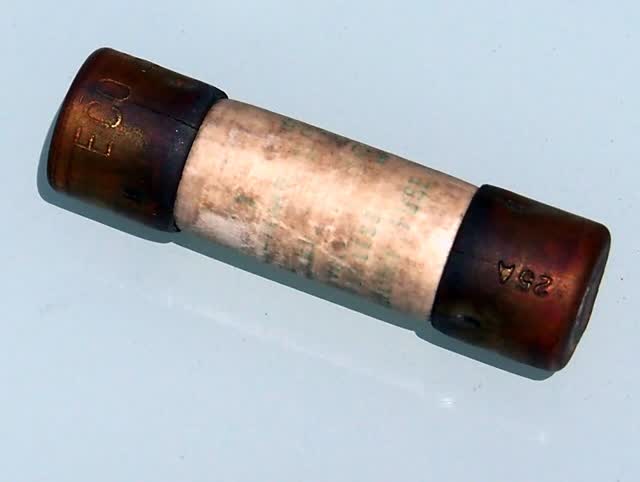
Heating: on a cook call the control closes its relay and the transformer primary sees 120 V. The secondary and HV capacitor/diode form a voltage doubler that feeds the magnetron at several thousand volts, while a separate low-voltage winding heats the magnetron filament. LG also uses a separate HV fuse in the high-voltage circuit on these LMV units; when it opens the oven runs, lights and spins but does not heat. Thermal protectors on the magnetron and cavity open on overheating.
Ventilation and cooling: a blower motor on the top of the chassis pulls air through the grease filters under the unit and pushes it out the top (vertical duct), out the back (horizontal duct) or back into the room through the top grille and charcoal filter (recirculating). The blower orientation sets which outlet is used and is changed during installation. A cooling fan keeps the magnetron and transformer in range during cooking. A heat-sensing control can turn the vent on by itself when the cooktop below gets hot and keep it running until things cool down.
Controls: the glass touch panel and control board handle timing, the 10 power levels, sensor cooking and the turntable on/off. Sensor cooking reads steam (humidity) coming off the food to decide when it is done, so a cover that is sealed or a cold, damp cavity changes results. LG documents Child Lock on these models; a locked keypad is a common no-response call that needs no parts.
Components & tests
Unlock all 10 components, specs, service mode and teardown
Full library + AI assistant for $34.90, one time.
Get lifetime accessOfficial manufacturer documentation
Always confirm values against the tech sheet for the exact model.
OnCall Tech is a reference tool for trained technicians and can make mistakes. Always disconnect power and confirm with the manufacturer's documentation before you work. © 2026 OnCall Tech. Original content; not a reproduction of any manufacturer document.Generic part photos (not of this brand): Smooth glass electric cooktop built into a wooden counter by Max Vakhtbovych, Pexels License