 10 components covered
Field manual · Furnace
Lennox ML180 / EL180 80% gas furnaces (ML180UH, ML180DF, ML180UHE, EL180UH): quick sheet
Covers: Lennox Merit ML180 and Elite EL180 single-stage, non-condensing (80% AFUE) gas furnaces. Search terms: ML180UH, ML180DF (downflow), ML180UHE, ML180E, ML180EK, ML180UHV, EL180UH, EL180DF. Model string example ML180UH070E36B: 070 = input size (about 66,000 Btuh), letter after the size = blower motor (P = PSC on older units, E = constant-torque 'Power Saver', V = variable speed), 36 = add-on cooling range (about 1.5-3 tons), last letter = cabinet width (A/B/C). An X after the size (e.g. 070XP) marks low-NOx California versions. A K in newer names (ML180EK, ML180UHE-K) means the control has refrigerant detection for A2L (R-454B) systems. Older ML193/ML195 condensing units share the same single-LED flash-code control family; two-stage EL280/SL280 units with a display are not covered.
The ML180 is Lennox's standard 80% single-stage gas furnace with hot surface ignition and an aluminized-steel heat exchanger, built in upflow/horizontal (UH) and downflow (DF) cabinets. Most units in the field use a SureLight integrated control with one red diagnostic LED that flashes a count (1 to 9 flashes) for faults. Read the LED through the blower-door sight glass before removing power, because cutting power clears what the board is showing. Newer K versions add a refrigerant detection sensor input that can force the blower on.
Safety first
- Gas valve, manifold pressure, burners, heat exchanger and venting are blocked: refer to a licensed gas technician.
- Read the LED code before removing power, then lock out 120 V before touching wiring.
- A rollout trip can mean flue gas spillage: do not reset repeatedly; check for CO and refer.
- Never jumper a limit, rollout or pressure switch to keep the furnace running.
- K models with refrigerant detection: do not disable the sensor; that is prohibited by safety codes.
How it works
On a W call the board confirms the pressure switch is open, starts the combustion air inducer, and waits for the pressure switch to close. It then runs a pre-purge, heats the SureLight hot surface igniter, and opens the gas valve for the trial for ignition. The flame sensor must prove flame by flame rectification or the valve closes and the board retries.
Once flame is proven the board counts the heat-on delay and starts the blower at heating speed. When the call ends the gas valve closes, the inducer post-purges and the blower runs its heat-off delay. E (constant-torque) and V (variable-speed) blowers take their speed from taps or settings on the board; P units use a PSC motor with a run capacitor.
The primary limit and the manual-reset flame rollout switch are in the safety circuit. A limit trip drops the gas valve and keeps the blower running; repeated failures put the control into Watchguard, a timed lockout (about one hour on most Lennox controls) after which it retries on its own. Cycling power or the thermostat also restarts it.
The single-LED code table (1 = flame with valve off, 2 = pressure switch closed with inducer off, 3 = pressure switch open with inducer on, 4 = primary limit open, 5 = rollout open, 6 = pressure switch cycle lockout, 7 and 8 = ignition/flame lockout, 9 = polarity) is confirmed by two independent references for the 103085-type SureLight control used in ML180DF, ML193 and ML195 manuals. Board revisions change, so match the count to the label inside the blower door.
Components & tests
Unlock all 10 components, specs, service mode and teardown
Full library + AI assistant + the OnCall Tech app for iPhone & Android. $34.90, one time.
Get lifetime accessOfficial manufacturer documentation
Always confirm values against the tech sheet for the exact model.
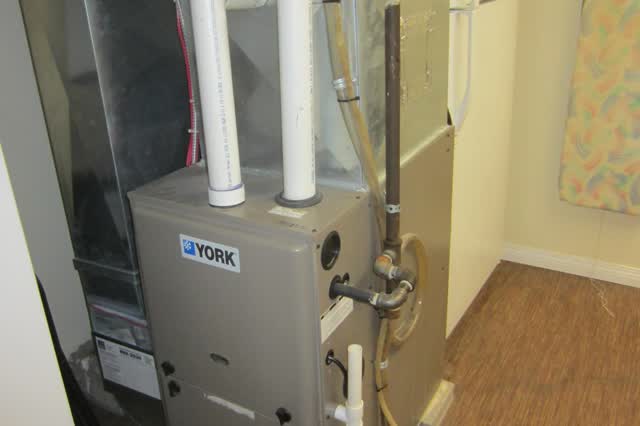
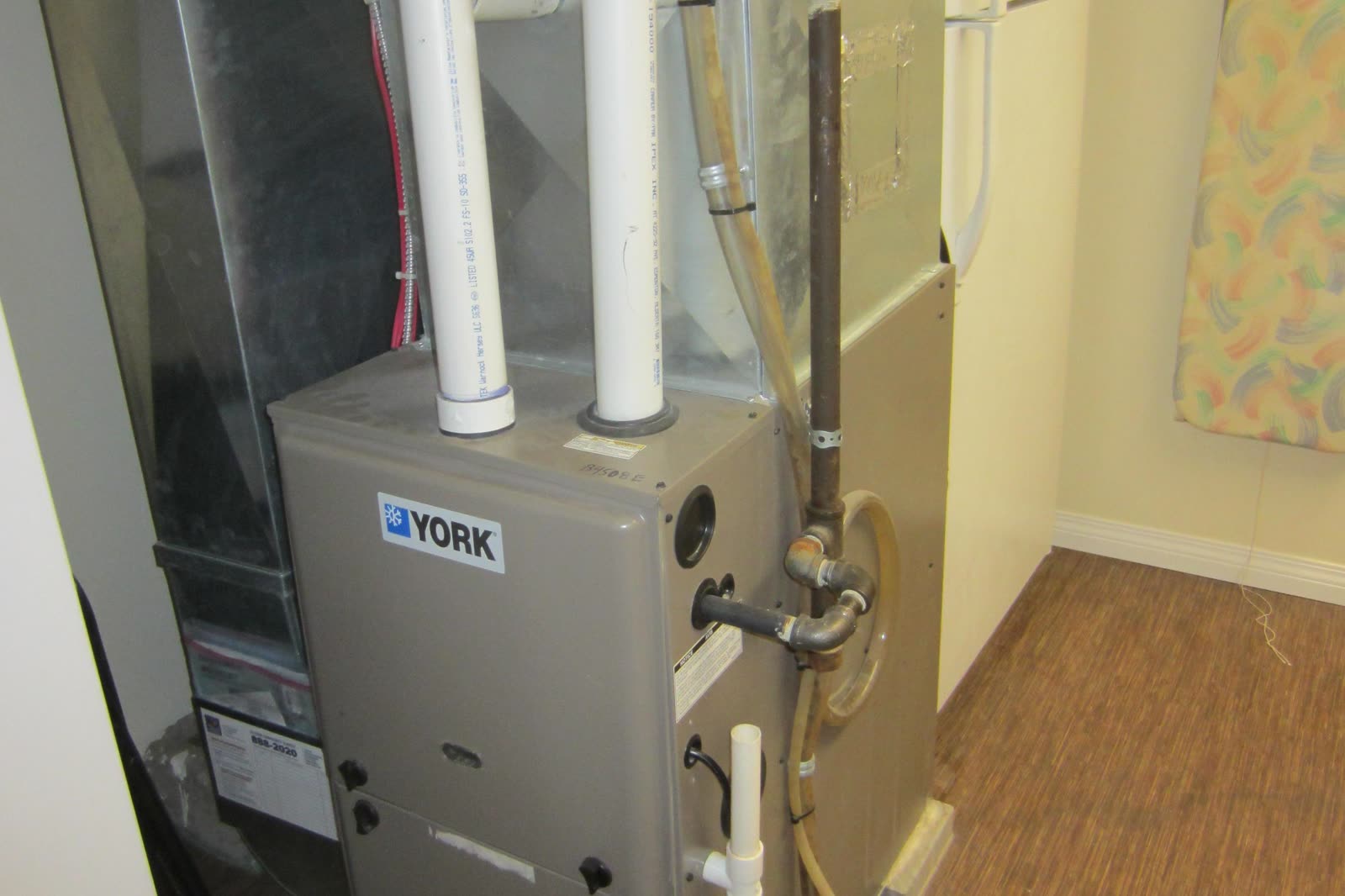
OnCall Tech is a reference tool for trained technicians and can make mistakes. Always disconnect power and confirm with the manufacturer's documentation before you work. © 2026 OnCall Tech. Original content; not a reproduction of any manufacturer document.Generic part photos (not of this brand): Condensing gas furnace with PVC vent pipes and metal ductwork in a utility room by Wtshymanski, CC BY-SA 4.0