 6 components covered
Field manual · Garbage Disposal
Continuous-feed garbage disposal: field service manual
Covers: Residential 1/3 to 1 HP continuous-feed disposals, corded or hardwired, wall-switch or air-switch controlled
The most common US disposal: it runs as long as the switch is on while waste is fed in. A motor spins a plate with swivel impellers that throw waste against a stationary grind ring. Field work is jams, resets, leaks, installation and electrical hookup; the motor and internal seals are not repaired, the unit is replaced.
Safety first
- Breaker OFF before electrical or mounting work
- Never put hands in the chamber
- Hardwiring and new switch/outlet circuits: certified electrician where required
- Unit must be grounded
How it works
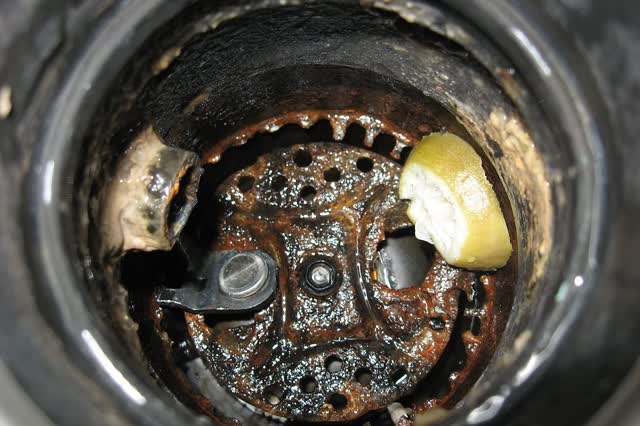
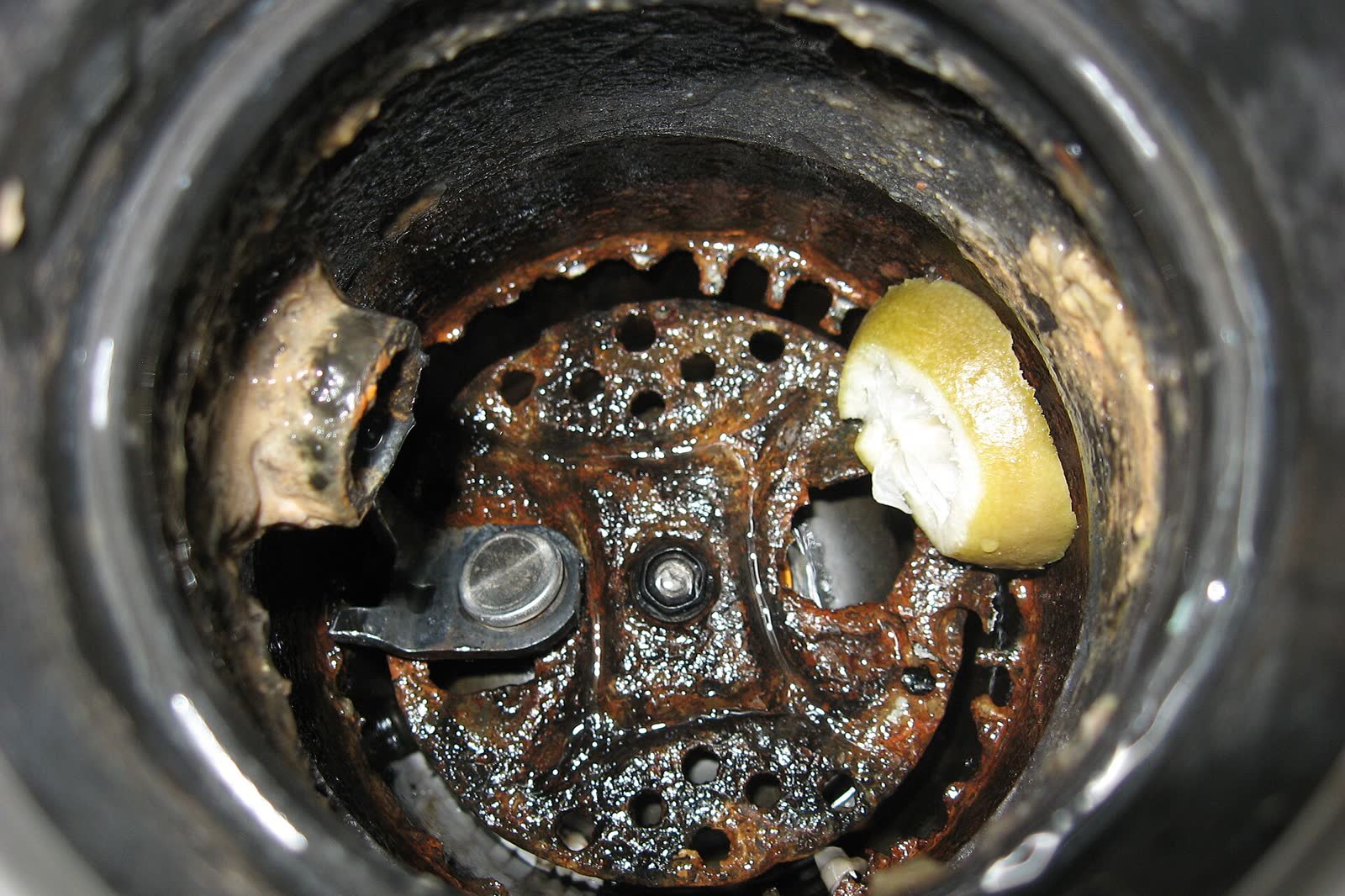
The motor turns a turntable (plate) with two swivel impellers that fling waste against the cutting edges of the grind ring; particles small enough pass to the drain.
Motor types vary: induction motors run about 1,400-2,800 rpm and are heavier; Moen uses permanent-magnet motors and lists about 1,900-2,800 rpm across its 1/3 to 1 HP models.
A thermal overload with a red manual reset button protects the motor; some models (e.g. InSinkErator EZ Connect) reset automatically after cooling.
Continuous-feed units need a control: a wall switch in sight of the sink or a sink-top air switch with a control box/outlet.
Components & tests
Unlock all 6 components, specs, service mode and teardown
Full library + AI assistant for $34.90, one time.
Get lifetime accessOfficial manufacturer documentation
Always confirm values against the tech sheet for the exact model.
OnCall Tech is a reference tool for trained technicians and can make mistakes. Always disconnect power and confirm with the manufacturer's documentation before you work. © 2026 OnCall Tech. Original content; not a reproduction of any manufacturer document.Generic part photos (not of this brand): Inside a worn garbage disposal: rusty grinding plate and lugs seen from the sink by Rthardin, CC BY-SA 3.0