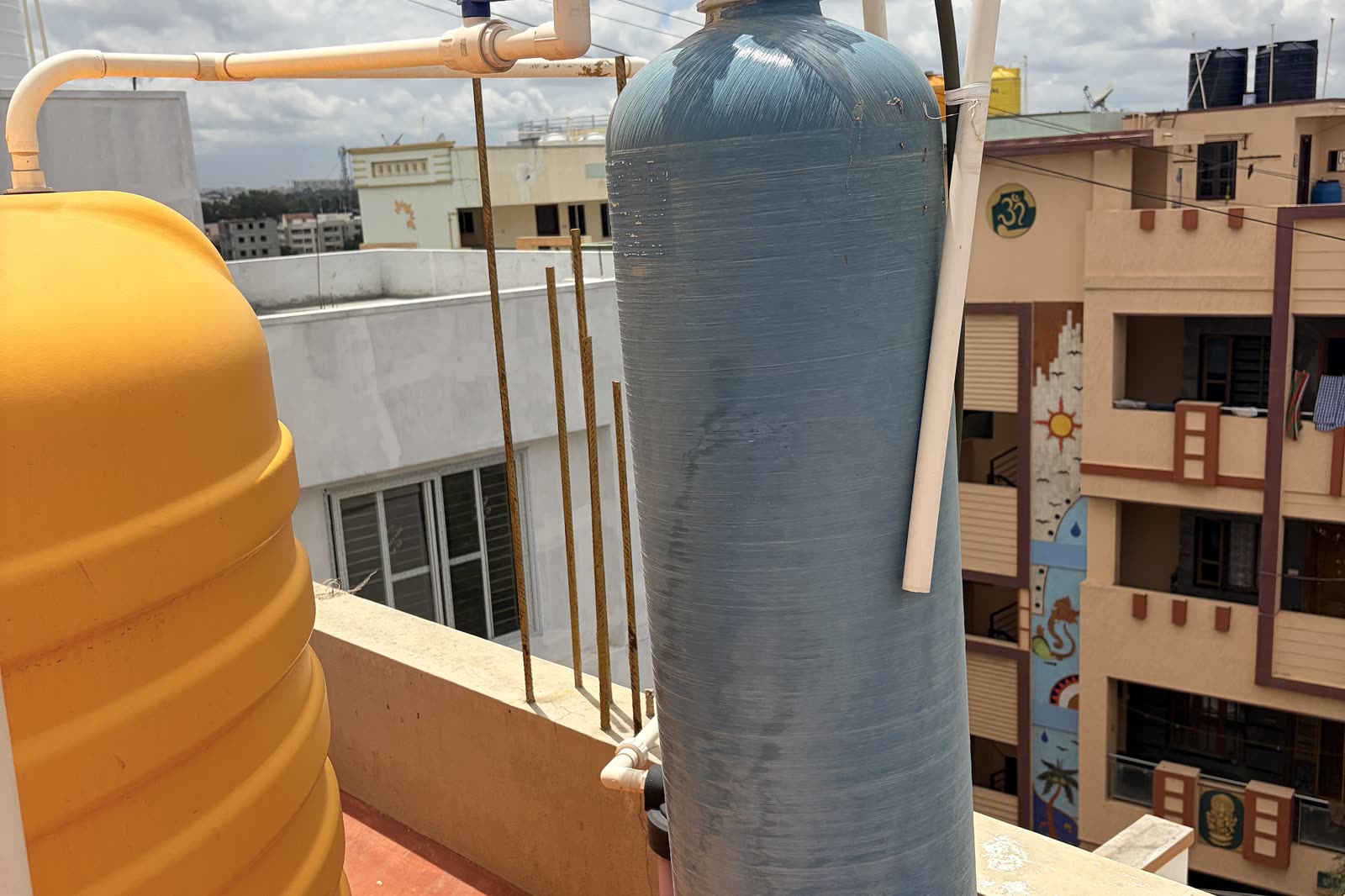
Potassium chloride instead of salt in a softener: what changes and what to tell the customer

Softeners can regenerate with potassium chloride instead of sodium chloride, but KCl costs much more per bag and does not regenerate resin quite as effectively, so the unit usually needs a higher salt dose or hardness setting. Sources disagree on how much (about 10% to 30% more). The benefit is no added sodium in the softened water.

Cross-checked ~15 min easyBrands: All

Before you start

  • KCl is still a salt; keep the brine tank lid on and clean spills to avoid slips and corrosion.

Diagnostic steps

Unlock all 3 steps with expected values

Full library + AI assistant + the OnCall Tech app for iPhone & Android. $34.90, one time.

Get lifetime access

OnCall Tech is a reference tool for trained technicians and can make mistakes. Always disconnect power and confirm with the manufacturer's documentation before you work.
More water softeners & filters guides

Guide · Water Softener

Water softener and under-sink RO annual service: salt, brine tank, resin, filters and tank charge

A softener needs a monthly salt check (WQA: refill when under half full), periodic brine tank cleaning, breaking any salt bridge and, on iron or bacteria-prone water, a resin cleaner used per the manufacturer. An RO system needs pre-filter changes roughly every 6-12 months, the membrane every few years depending on feed water, a yearly sanitize at filter change and a tank air charge check with the tank empty. Intervals vary by maker; the model manual wins.

7 steps ~60 minmoderate
Guide · Water Softener

Water feels slippery or 'won't rinse off' after a softener install

A slick feel is the normal sign that hardness minerals are gone; soap rinses differently and people tend to use more of it in soft water. It is not a fault. Rule out real problems (salty taste, softener stuck in brine) and, if the customer dislikes the feel, adjust the blend or bypass setting on valves that have one, after a hardness test.

4 steps ~20 mineasy
Guide · Water Softener

Water softener noises during regeneration: normal vs fault

A regeneration cycle is noisy by design: the valve motor hums and clicks as it steps through positions, water rushes to the drain, and brine is drawn through the resin. That is normal as long as it ends when the cycle ends (typically a couple of hours). Noise that goes on for hours, runs outside regeneration, or sounds like grinding or banging points to a stuck valve, a clogged brine line, worn parts or a water pressure problem.

5 steps ~30 mineasy
Potassium chloride instead of salt in a softener: what changes and what to tell the customer · OnCall Tech