Water heater seismic straps, garage elevation and safe pan: what to check when you set a replacement tank
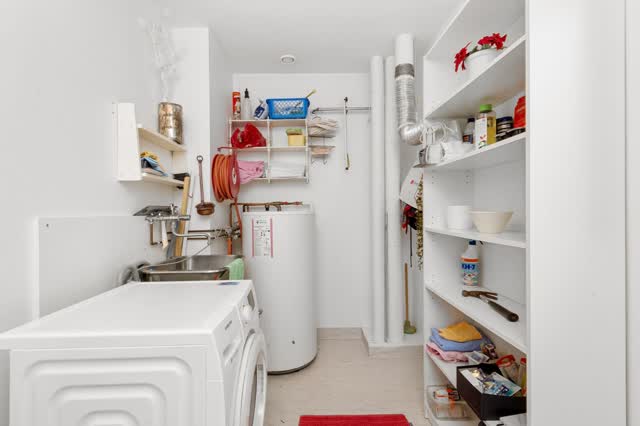
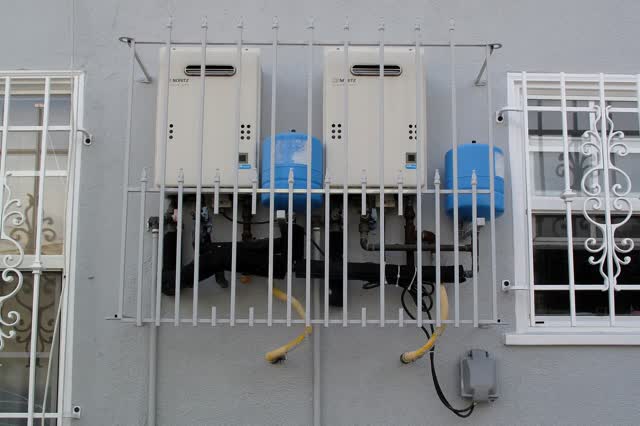
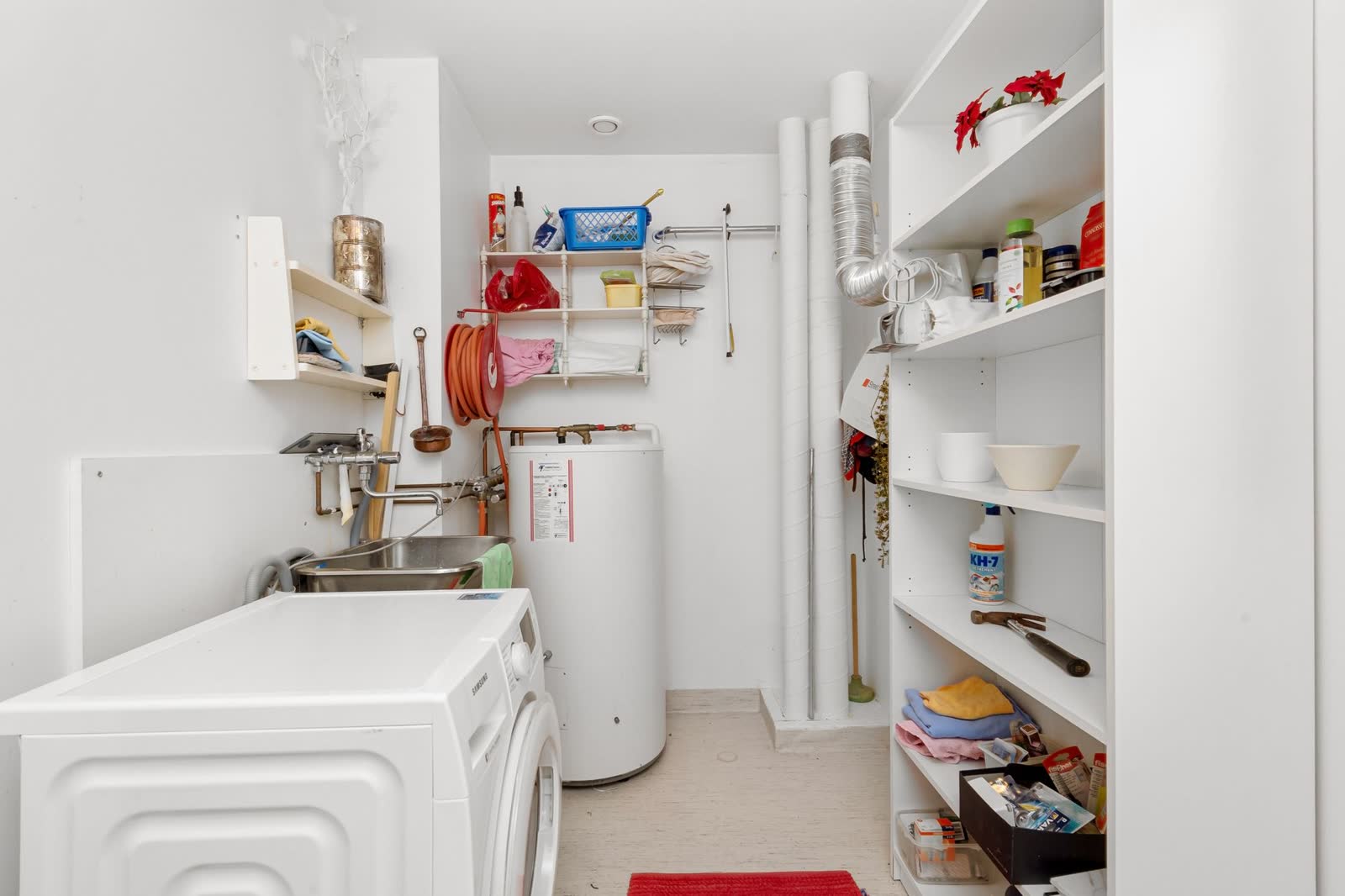
Where seismic bracing is required (California is the best-known case), the tank must be strapped at two points, one in the upper third and one in the lower third of its height, with each strap tied into studs or other structure and kept clear of the controls. Separately, many codes require ignition sources in a garage to be raised (San Diego's bulletin: 18 in above the floor) and a pan with a drain where a leak would damage the building. These are local-code items: pull the permit and follow the local handout. This guide covers only the restraint and protection checks; tank swap steps are in electric-water-heater-replacement, and any gas work goes to a licensed plumber or gas installer.
Before you start
- Gas water heaters: do not move, reconnect or relight the gas side; strapping and pan placement only, the gas connection and venting are licensed-installer work
- Do not cover the control access panel, thermostat covers, T&P valve or drain valve with a strap
- Shut off power or gas (per the unit's instructions) and water before lifting or shifting a tank
Diagnostic steps
Unlock all 6 steps with expected values
Full library + AI assistant + the OnCall Tech app for iPhone & Android. $34.90, one time.
Get lifetime accessOnCall Tech is a reference tool for trained technicians and can make mistakes. Always disconnect power and confirm with the manufacturer's documentation before you work.