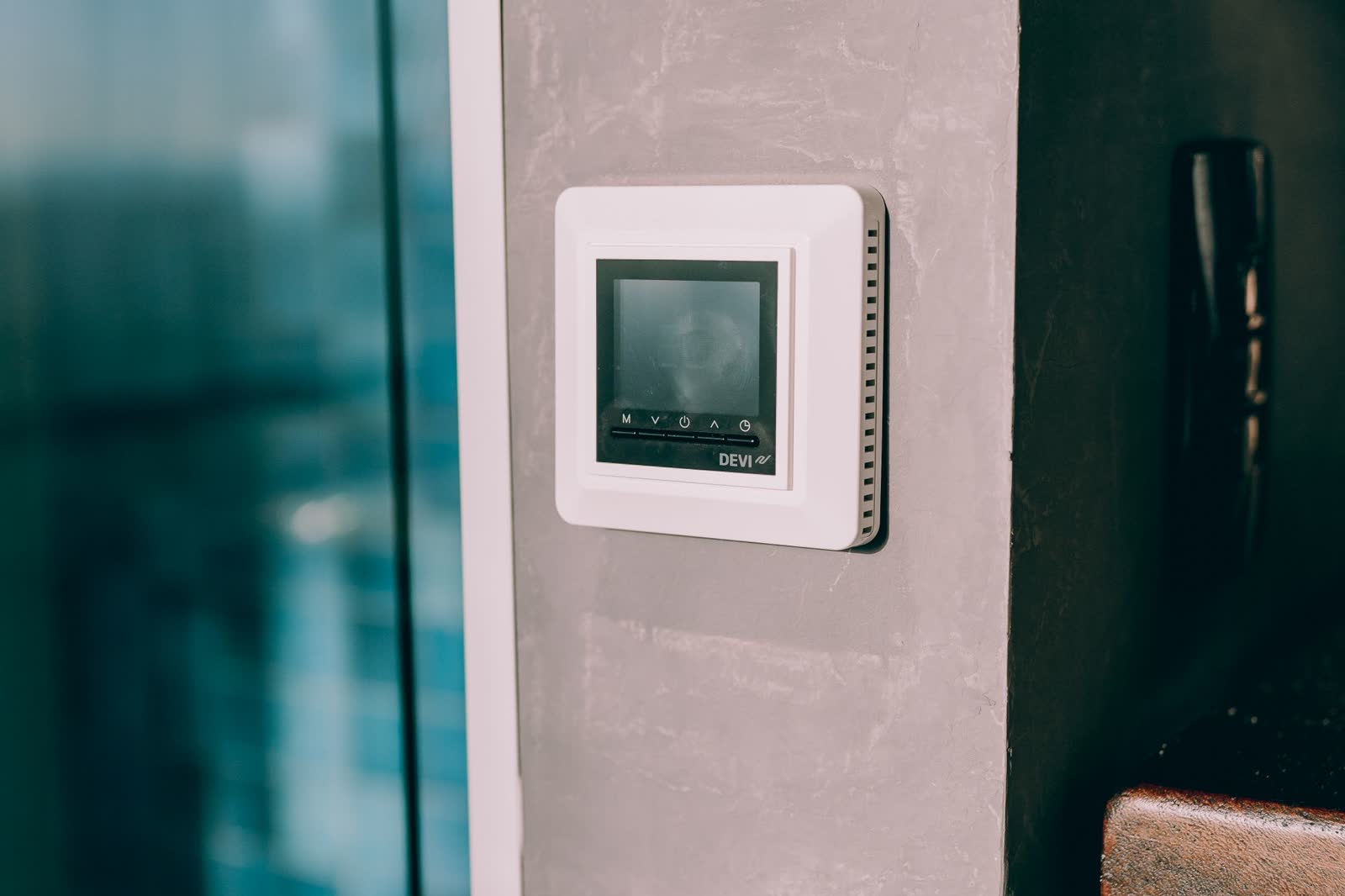
Using the thermostat's installer test to run heat, cool and fan (instead of jumping wires at the board)

Most pro thermostats have a built-in installer or system test that turns each output on and off directly, bypassing schedules and set points. Honeywell's FocusPRO 6000 has numbered tests for heat, emergency heat, cool and fan; the VisionPRO 8000 has an Installer Test behind its installer password (the date code); Lennox's iComfort S30 has a tests menu in the dealer control center. Use it to split thermostat/wiring faults from equipment faults. Lennox specifically warns not to short across gas-valve or control terminals to test.

Single source ~20 min easyBrands: Honeywell Home / Resideo, Lennox, All

Before you start

  • Do not jumper terminals at the gas valve or the furnace control to 'test'; use the thermostat's test or the equipment's own test mode.
  • Some installer tests bypass the compressor's minimum off time (Honeywell warns about this on the FocusPRO 6000): do not cycle the compressor on and off quickly; wait about 5 minutes between compressor starts.
  • Gas-side faults found during the test (no ignition, rollout, flame problems) go to a licensed gas technician; refrigerant faults go to an EPA 608 certified technician.

Diagnostic steps

Unlock all 5 steps with expected values

Full library + AI assistant + the OnCall Tech app for iPhone & Android. $34.90, one time.

Get lifetime access

OnCall Tech is a reference tool for trained technicians and can make mistakes. Always disconnect power and confirm with the manufacturer's documentation before you work.
More thermostats guides

Guide · Thermostat

Thermostats: alerts and wiring codes vs real equipment faults (Nest, ecobee, Honeywell, communicating systems)

Smart-thermostat alerts are inferred from temperature and runtime trends, not read from the equipment. Google says its System Health Monitor is not a substitute for an HVAC diagnosis. Some thermostat codes are about the thermostat's own power and wiring: Nest E and N codes in one family mean it lost power it was drawing through a call wire, often fixed with a C wire. The equipment fault itself is on the furnace board LED, the outdoor unit or, on communicating systems, in the wall control's service menu.

7 steps ~20 mineasy
Guide · Thermostat

Thermostat cycle rate (CPH) settings: matching the setting to the heating and cooling equipment

Many Honeywell/Resideo and similar digital thermostats use a cycle-rate setting (cycles per hour, CPH) instead of an adjustable heat anticipator. The number tells the thermostat how often it is allowed to cycle the equipment at about a 50% load. A setting meant for an electric furnace on a steam boiler gives short, inefficient firing; a steam setting on a forced-air furnace gives big temperature swings. Check the system type, then set heat, auxiliary/emergency and compressor cycle rates to match the equipment. This is a settings job: no wiring changes and no gas work.

5 steps ~15 mineasy
Guide · Thermostat

R, Rh and Rc: when to keep the jumper and when a system has two transformers

Most forced-air systems have one 24 V transformer at the furnace or air handler, and R and Rc are tied together (a factory jumper or an internal link in the thermostat). Some homes, usually a boiler or older furnace for heat plus a separate air handler or add-on AC, have two transformers: one for heat on Rh/R and one for cooling on Rc. Joining two transformers through the thermostat can blow fuses or burn transformers. Decide which you have before landing wires, and pick a thermostat that supports separate Rh and Rc when there are two.

5 steps ~30 minmoderate
Using the thermostat's installer test to run heat, cool and fan (instead of jumping wires at the board) · OnCall Tech