Lockout/tagout on a home service call: unplug and keep the plug, lock the breaker, prove it dead
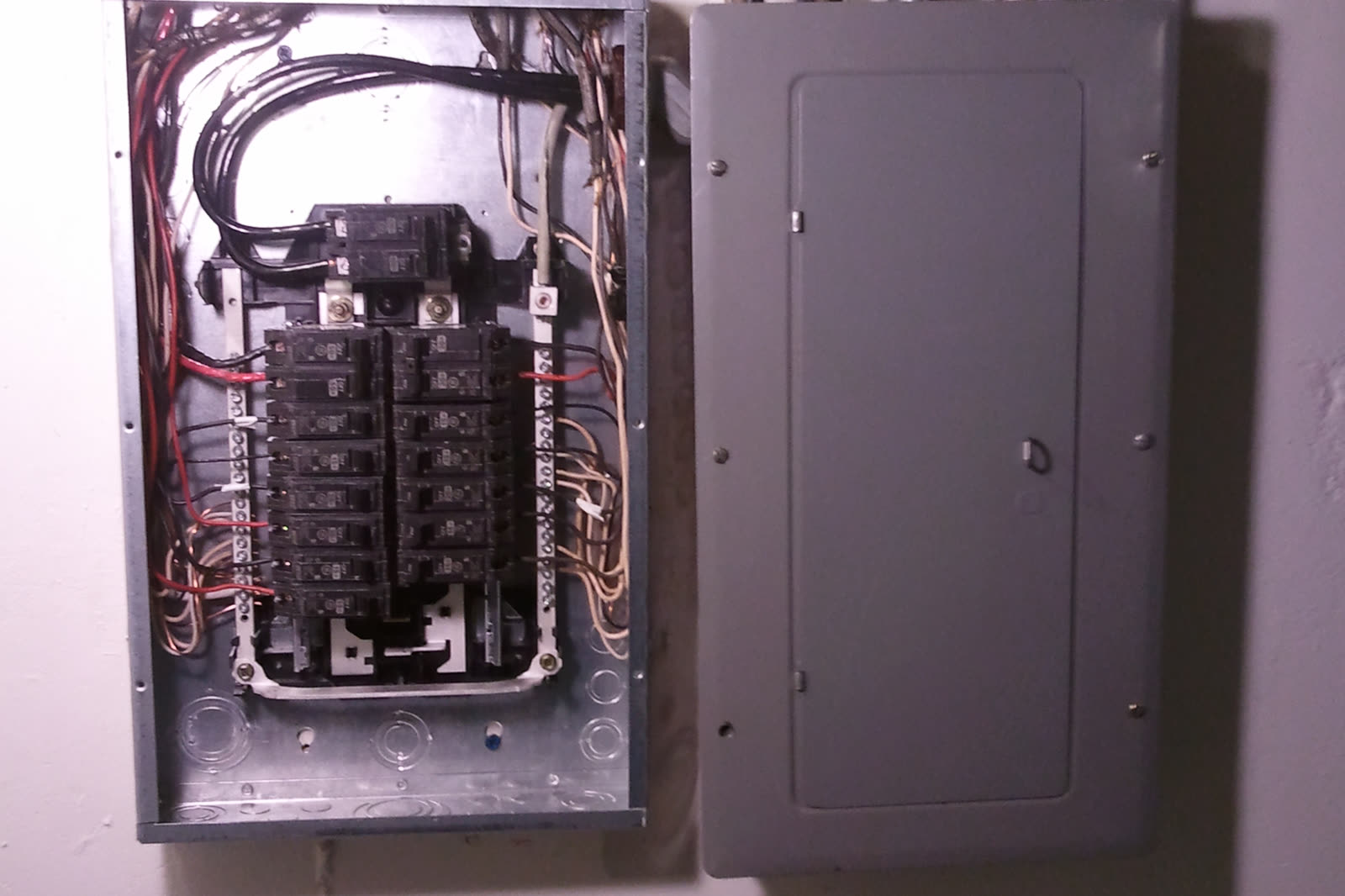
The federal lockout/tagout rule (29 CFR 1910.147) is written for employers, but its sequence is the right habit for any tech: know the energy sources, shut down, isolate, put your own lock or tag on the isolating point, release stored energy, and verify before touching. Cord-and-plug equipment is handled by unplugging it and keeping the plug under your exclusive control. Hard-wired equipment gets a breaker lock and tag, and only the person who put the lock on takes it off.
Before you start
- A door switch, a control panel 'off', or a thermostat set to off is not an isolation point
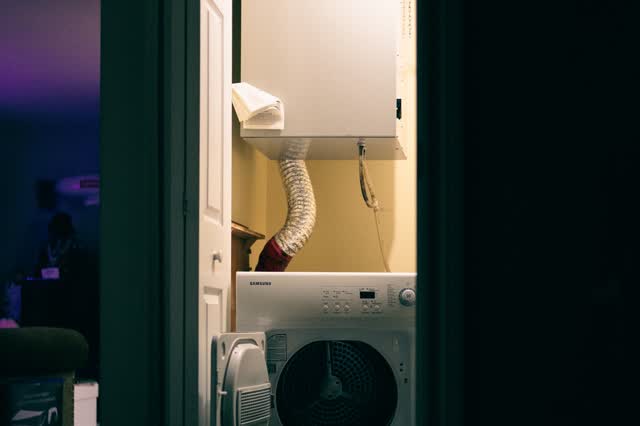
- Water heaters, ranges and dryers on 240 V use a double-pole breaker; lock the handle that controls both legs
- Capacitors, inverter DC buses and microwave HV capacitors store energy after the power is off; discharge or verify per the specific guide
- Never remove another person's lock or tag
Diagnostic steps
Unlock all 7 steps with expected values
Full library + AI assistant + the OnCall Tech app for iPhone & Android. $34.90, one time.
Get lifetime accessOnCall Tech is a reference tool for trained technicians and can make mistakes. Always disconnect power and confirm with the manufacturer's documentation before you work.