Swapping a tank for a heat pump water heater: room air volume, clearances, condensate, 240 V circuit and pan (fit check)
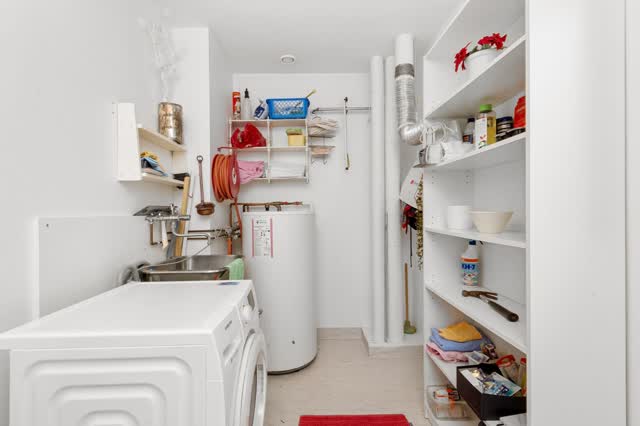
A heat pump water heater pulls heat from the air around it, so the location matters more than with a plain tank. Check four things before the sale: enough air volume (or a louvered door or ducting where the maker allows it), a space that stays within the operating temperature range, a place for the condensate to drain (floor drain, sloped line or condensate pump), and a dedicated 208/240 V circuit sized for the model. Add the usual tank items: pan where required, T&P discharge, expansion tank on closed systems, and a permit where required. The refrigerant circuit is factory sealed: any sealed-system diagnosis or repair is BLOCKED (EPA 608). Replacing a gas unit also means a licensed gas tech must cap the gas line and deal with the old vent.
Before you start
- BLOCKED: no work on the sealed refrigerant circuit; refrigerant problems go to an EPA 608 certified technician
- Gas-to-HPWH swaps: capping the gas line and abandoning or resizing the old vent is licensed gas-tech work
- Adding a 240 V circuit is electrician work where the law requires it
- Fill the tank completely before powering the elements
Diagnostic steps
Unlock all 6 steps with expected values
Full library + AI assistant + the OnCall Tech app for iPhone & Android. $34.90, one time.
Get lifetime accessOnCall Tech is a reference tool for trained technicians and can make mistakes. Always disconnect power and confirm with the manufacturer's documentation before you work.