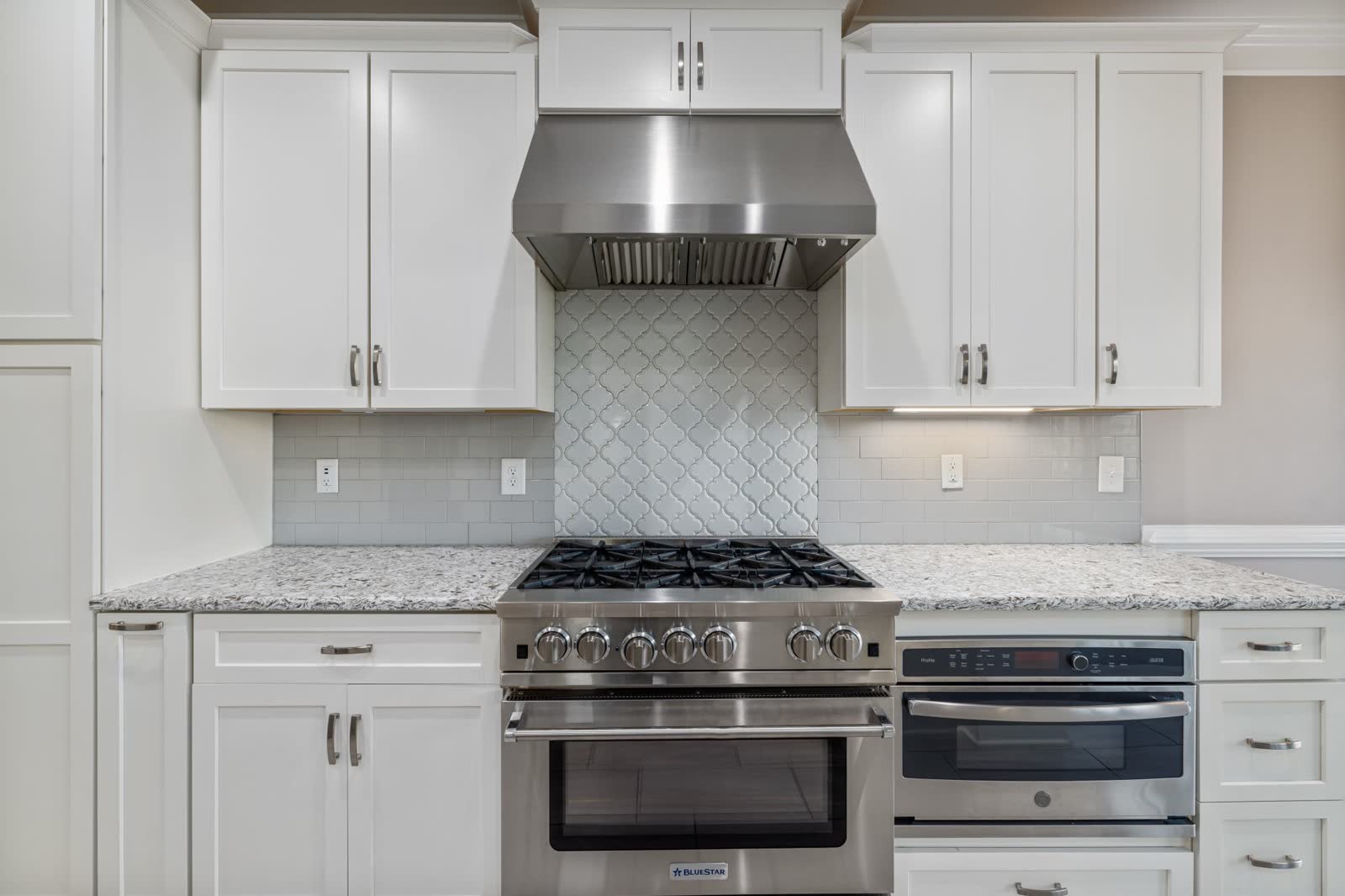
Gas range natural gas to LP (propane) conversion (BLOCKED: refer to a qualified gas installer)

Converting a gas range between natural gas and LP means changing or resetting the pressure regulator and installing LP orifices on every burner (top, oven, broil), then adjusting low-flame settings and checking flames. Every manufacturer's kit sheet says it must be done by a qualified installer, service agency or gas supplier under local code, and the installation is not complete until the converted appliance's operation is checked per the instructions. Running a natural-gas range on LP unconverted can produce high flames and carbon monoxide. This library does not give conversion steps. What you can do: identify the fuel and the kit, check the rating plate, protect the original orifices if they are handed to you, and refer.

Cross-checked ~15 min easyBrands: All

Before you start

  • BLOCKED: no orifice, regulator, bypass/low-flame or burner adjustment and no gas line work; refer to a licensed/qualified gas installer or the LP supplier
  • Never light a range on LP that has not been converted; high flames, soot and carbon monoxide can result
  • If you smell gas: shut the appliance valve if safe, no switches or flames, ventilate, leave, and call the gas supplier or 911 from outside

Diagnostic steps

Unlock all 5 steps with expected values

Full library + AI assistant + the OnCall Tech app for iPhone & Android. $34.90, one time.

Get lifetime access

OnCall Tech is a reference tool for trained technicians and can make mistakes. Always disconnect power and confirm with the manufacturer's documentation before you work.
More ranges & ovens guides

Guide · Range / Oven

Ranges and wall ovens: reading F-codes and F#E# codes (GE, Whirlpool family) and when a reset is safe

Oven F-codes point to a circuit: temperature sensor, door lock, keypad or control. GE ovens show F plus a number; Whirlpool-family ovens show F#E#. Both makers tell owners to clear the display, cut power at the breaker for a short time and watch whether the code returns. A code that returns is a real fault. An over-temperature code is a safety stop: do not keep using the oven.

7 steps ~20 mineasy
Guide · Range / Oven

Oven door glass cracked or shattered: make it safe, document it, and quote the door glass

Oven doors use tempered glass, which breaks into small pebbles instead of shards. Earlier damage (a chip from a rack, a knock with a pan, a scratch) can weaken it so it fails later, even when the oven is cold. A cracked panel must not be heated again: the oven stays out of service until the glass or door is replaced. The job is to make the area safe, record model, serial and photos for a warranty or safety claim, and order the correct glass pack.

6 steps ~45 minmoderate
Guide · Range / Oven

Grease or stains between the oven door glass panes: how to open the door and clean it

Grease and splatter work their way between the panes through the door's vent slots and edges. The only thorough fix is to take the door off and separate the panes; a cloth on a thin stick pushed through the bottom slots gives a partial result without disassembly. The risks are breaking or chipping tempered glass and losing track of screws and spacers.

5 steps ~60 minmoderate
Gas range natural gas to LP (propane) conversion (BLOCKED: refer to a qualified gas installer) · OnCall Tech