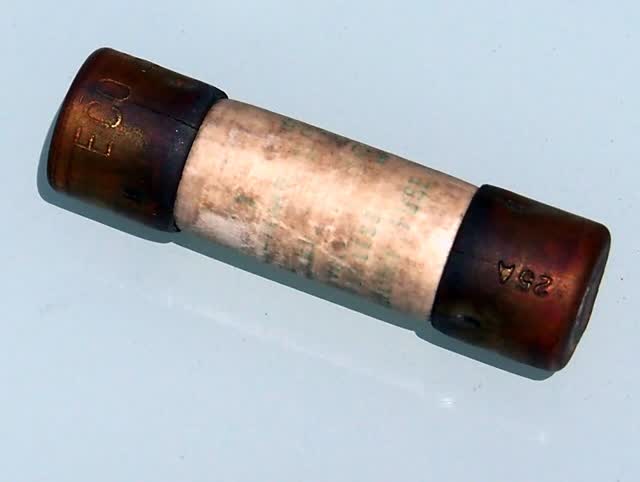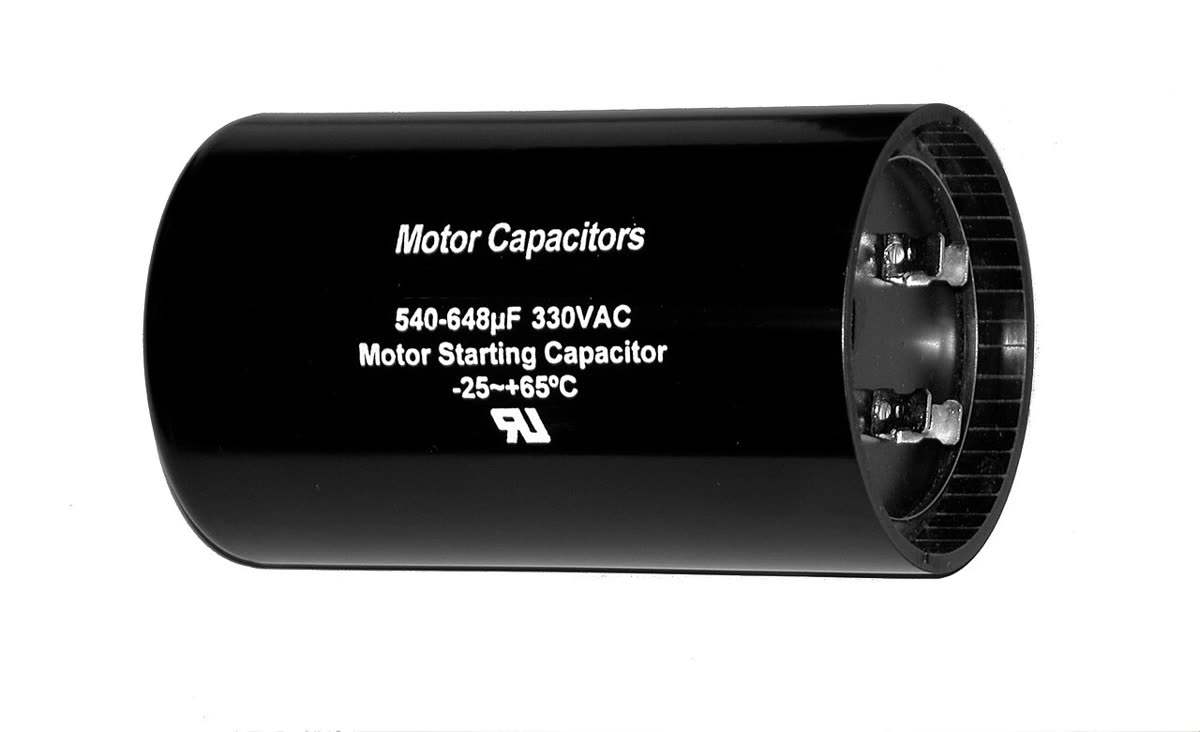
Microwave HV capacitor and bleeder resistor
The HV capacitor has a built-in bleeder resistor meant to drain its charge, but bleeders fail, so always discharge by hand. A shorted capacitor blows the HV fuse immediately. Resistance tests catch shorts; a capacitance reading is better.
Cross-checked ~20 min advancedBrands: All
Before you start
- DANGER: the microwave high-voltage capacitor can hold a lethal charge after the cord is unplugged
- Trained technicians only. Unplug, wait, discharge the HV capacitor with an insulated discharge tool and confirm 0 V with a meter before touching anything inside
- Never operate the oven with the outer cabinet off or with door interlocks bypassed
- Inexperienced users and handymen without HV training should refer the job
- Never rely on the internal bleeder resistor; it can be open
Diagnostic steps
Unlock all 4 steps with expected values
Full library + AI assistant for $34.90, one time.
Get lifetime accessOnCall Tech is a reference tool for trained technicians and can make mistakes. Always disconnect power and confirm with the manufacturer's documentation before you work.